ToolMage
Sign in

Best 2 Cooking Assistant for Lifestyle

Popular Cooking Assistant in Lifestyle include flavorithm and Subtlefood, helping you work more efficiently.

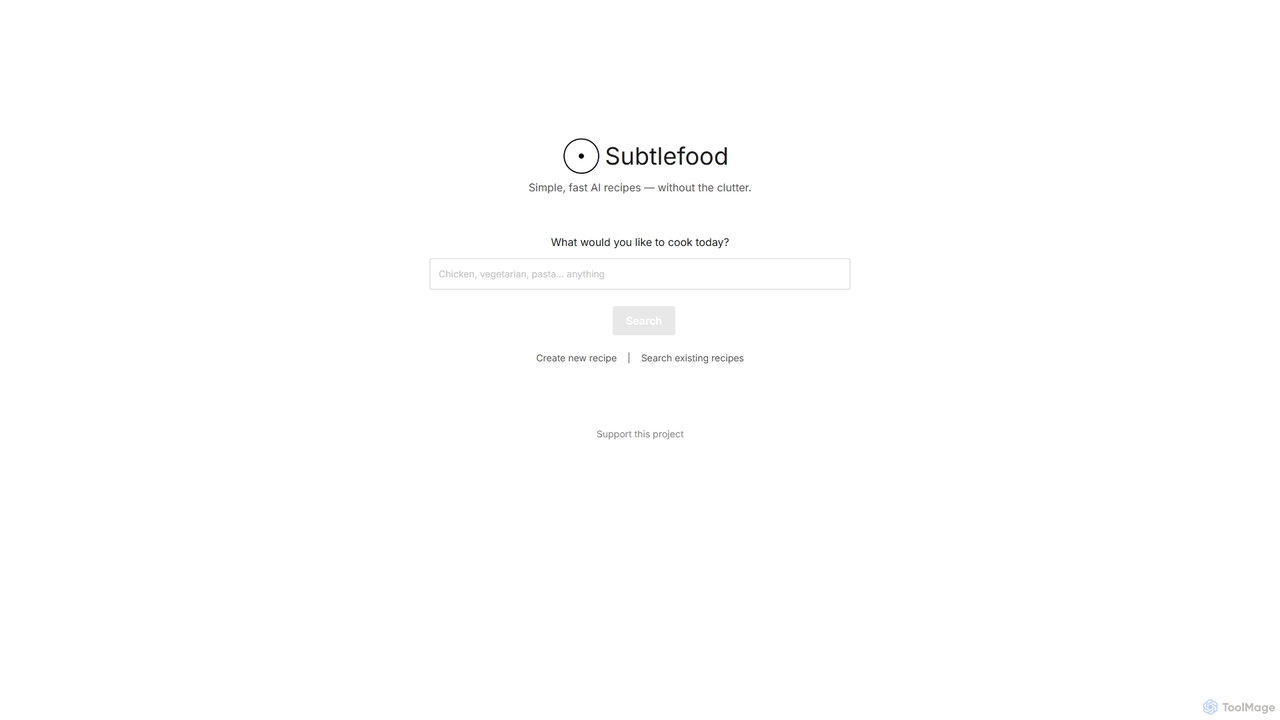
Subtlefood

Subtlefood

Subtlefood is an AI-powered recipe generator designed to provide simple, fast, and clutter-free cooking solutions. It allows users to effortlessly create new recipes or search through existing ones, making meal planning and culinary exploration straightforward and enjoyable.

Culinary Creativity
Visits 5.7KFavorites 51Likes 56
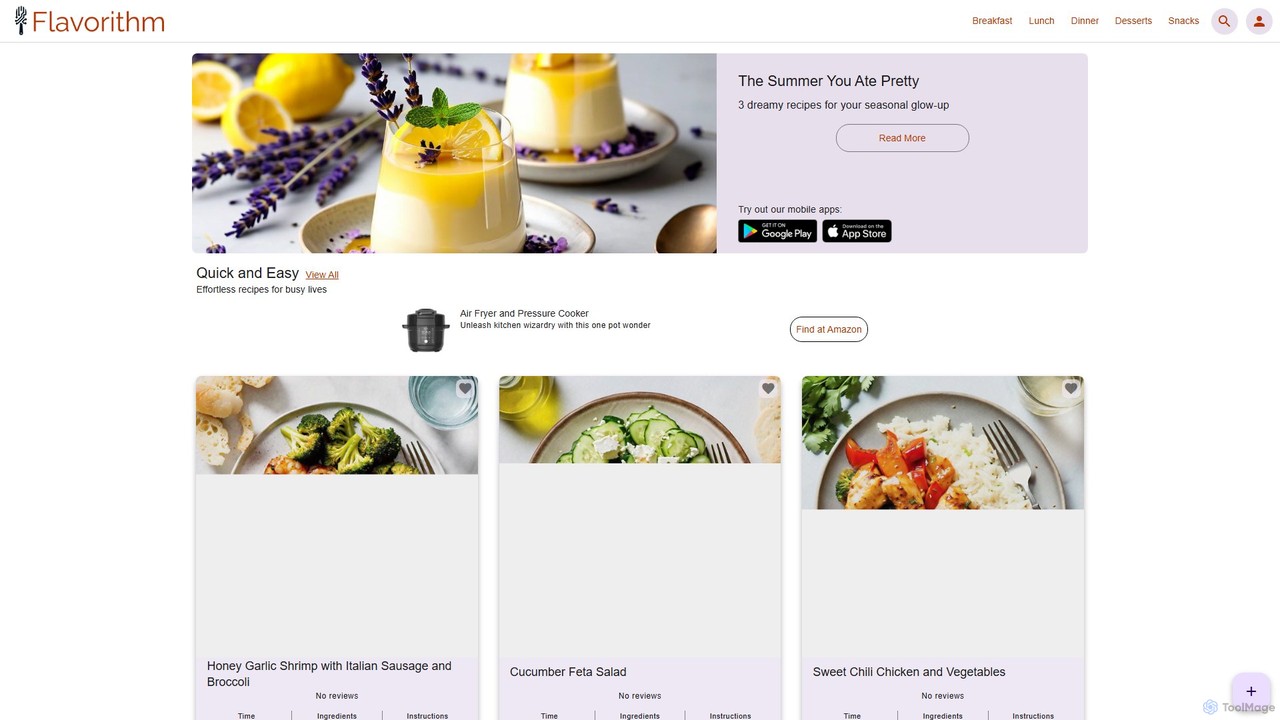
flavorithm
Free

flavorithm

Flavorithm is an AI-powered culinary platform designed for home chefs and food enthusiasts. It features a vast recipe database, an innovative AI Sous Chef for step-by-step cooking guidance, and personalized tips tailored to your dietary needs and taste preferences. Discover, create, and share recipes with a vibrant community of food lovers.

Recipe Generator
Visits 7.2KFavorites 153Likes 130

About Cooking Assistant

Cooking Assistant AI tools are intelligent applications designed to streamline and enhance the culinary experience. Leveraging advanced AI algorithms, these tools can generate personalized recipes, assist with meal planning, analyze nutritional content, and provide real-time cooking guidance. They empower users to manage ingredients efficiently, reduce food waste, and explore new dishes tailored to their preferences and dietary requirements, making healthy and enjoyable cooking more accessible within the broader lifestyle category.

Core Features

  • Personalized Recipe Generation: Creates unique recipes based on available ingredients, dietary restrictions, and taste preferences.
  • Intelligent Meal Planning: Develops weekly or monthly meal schedules, optimizing for nutrition, variety, and grocery shopping efficiency.
  • Nutritional Analysis: Provides detailed breakdowns of calories, macronutrients, and micronutrients for recipes and meals.
  • Step-by-Step Cooking Guidance: Offers real-time instructions, timers, and visual aids to simplify complex cooking processes.
  • Ingredient Management: Tracks pantry inventory, suggests recipes to use expiring items, and generates smart shopping lists.

Applicable Scenarios

AI Cooking Assistants are invaluable for individuals seeking healthier eating habits, busy families needing efficient meal solutions, and home cooks eager to experiment with new cuisines. They are particularly useful for those managing specific dietary needs like allergies, veganism, or low-carb diets, providing tailored suggestions and ensuring nutritional balance without extensive manual research.

How to Choose

When selecting an AI Cooking Assistant, consider its recipe generation capabilities (customization, variety), meal planning features (dietary filters, grocery list integration), and the accuracy of its nutritional analysis. Evaluate the user interface for ease of use, the breadth of its ingredient database, and its ability to adapt to your evolving cooking skills and preferences. Compatibility with smart kitchen devices can also be a significant advantage.

Cooking Assistant use cases

1

Personalized Meal Planning for Specific Diets

A user with celiac disease and a busy schedule needs to plan gluten-free meals for the week. The AI Cooking Assistant allows them to input their dietary restriction and time constraints, generating a diverse weekly meal plan complete with breakfast, lunch, and dinner recipes. It automatically creates a grocery list, ensuring all ingredients are gluten-free and available, saving hours of manual planning and ingredient checking.

2

Generating Recipes from Leftover Ingredients

A home cook finds themselves with leftover chicken, half an onion, and some bell peppers in the fridge, unsure what to make. They input these ingredients into the AI Cooking Assistant. The tool then suggests several creative recipes, such as "Chicken Fajita Bowls" or "Spicy Chicken Stir-fry," providing step-by-step instructions and suggesting additional common pantry staples to complete the dish, effectively reducing food waste.

3

Real-time Step-by-Step Cooking Guidance

A novice cook is attempting a complex dish for the first time, like Beef Wellington. The AI Cooking Assistant provides real-time, voice-guided instructions, breaking down each step into manageable actions. It includes integrated timers for baking and resting, offers visual demonstrations for tricky techniques, and can even adjust ingredient quantities based on serving size, ensuring a successful outcome.

4

Detailed Nutritional Analysis for Health Goals

An athlete aiming for specific macronutrient targets needs to track their daily intake. After preparing a meal, they input the ingredients and quantities into the AI Cooking Assistant. The tool instantly calculates the total calories, protein, carbs, and fats, along with other micronutrients. This allows the athlete to adjust future meals to meet their nutritional goals accurately and consistently.

5

Automated Grocery List Creation and Optimization

A busy parent needs to prepare meals for the upcoming week and wants to avoid multiple trips to the grocery store. The AI Cooking Assistant, after generating a weekly meal plan, automatically compiles a comprehensive grocery list. It categorizes items by aisle, suggests quantities based on recipes, and can even integrate with online grocery delivery services, streamlining the entire shopping process.

6

Exploring New Cuisines with Guided Recipes

An adventurous foodie wants to try cooking authentic Thai cuisine but is unfamiliar with the ingredients and techniques. The AI Cooking Assistant offers a curated selection of Thai recipes, explaining exotic ingredients and providing substitutions where necessary. It guides them through the cooking process with cultural tips and pronunciation guides for dish names, making the exploration of new flavors less daunting and more enjoyable.

Cooking Assistant FAQ

What are AI Cooking Assistants?

AI Cooking Assistants are intelligent software tools that utilize artificial intelligence to help users with various aspects of cooking and meal preparation. They go beyond traditional recipe apps by offering personalized recommendations, generating custom recipes based on dietary needs or available ingredients, and providing interactive, step-by-step guidance. Their core purpose is to simplify meal planning, enhance cooking skills, and promote healthier eating habits.

How do AI Cooking Assistants personalize meal plans?

AI Cooking Assistants personalize meal plans by analyzing user input such as dietary restrictions (e.g., vegan, gluten-free), allergies, preferred cuisines, available ingredients, and even health goals (e.g., weight loss, muscle gain). Using machine learning, they process this data to suggest recipes and create balanced meal schedules that align with individual needs, ensuring variety and nutritional adequacy while minimizing food waste.

What's the difference between an AI Cooking Assistant and a regular recipe app?

The key difference lies in intelligence and personalization. A regular recipe app is primarily a digital cookbook, offering a static collection of recipes. An AI Cooking Assistant, however, actively processes user data to generate dynamic, custom recipes, suggest meal plans, analyze nutrition, and provide interactive cooking guidance. It learns from user preferences and adapts over time, offering a much more tailored and proactive culinary experience.

Who can benefit most from using an AI Cooking Assistant?

Anyone looking to improve their cooking efficiency, explore new recipes, or manage specific dietary needs can benefit. This includes busy professionals and parents seeking quick and healthy meal solutions, individuals with allergies or health-related dietary restrictions, aspiring home chefs wanting to master new techniques, and those aiming to reduce food waste by utilizing ingredients effectively. It caters to a wide range of culinary skill levels.

What should I consider when choosing an AI Cooking Assistant?

When choosing an AI Cooking Assistant, evaluate its core features like recipe generation flexibility, meal planning customization options, and the accuracy of its nutritional analysis. Consider its user interface for ease of navigation and cooking guidance. Check for integration capabilities with smart kitchen devices or grocery delivery services. Finally, assess the breadth of its ingredient database and its ability to learn and adapt to your personal cooking style and preferences over time.