SmoothRide
SmoothRide is an AI-powered platform for cyclists to report infrastructure issues and receive innovative solutions. By crowdsourcing problems …
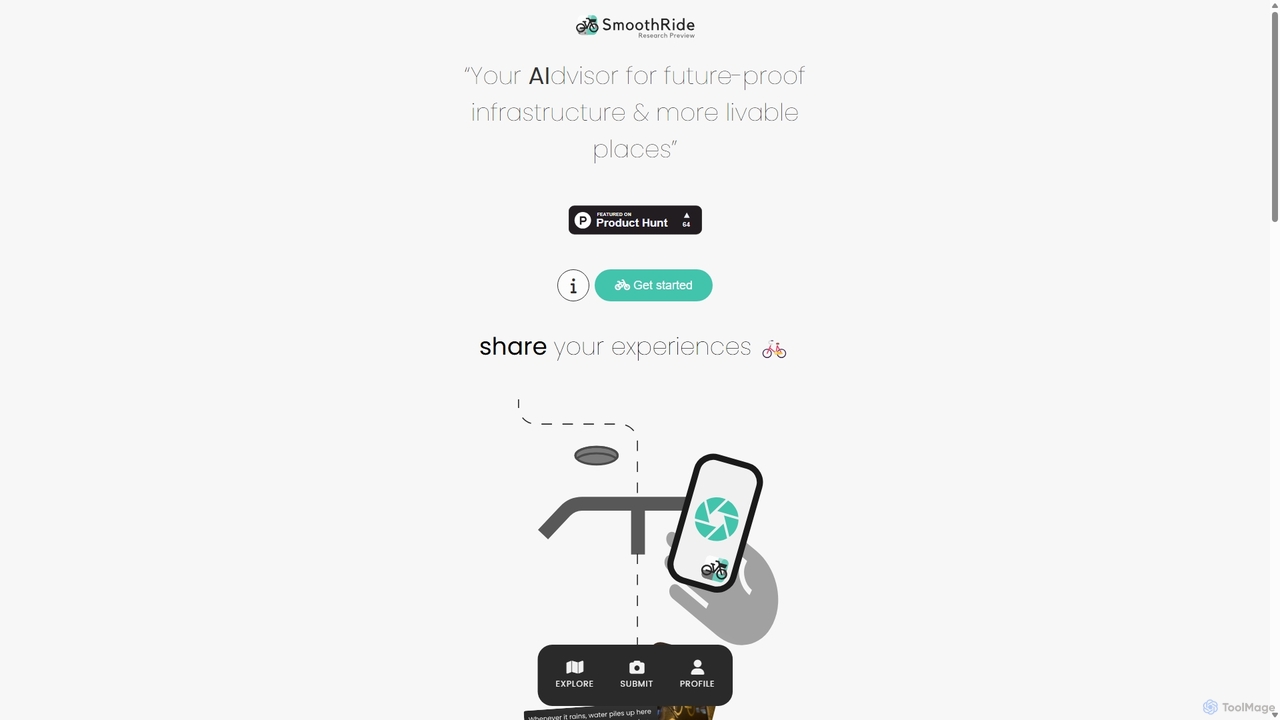
SmoothRide is an AI-powered platform for cyclists to report infrastructure issues and receive innovative solutions. By crowdsourcing problems like potholes and blocked bike lanes, it uses OpenAI to generate practical, best-practice, and creative advice, aiming to create safer and more livable cities for everyone.
About Cycling
Cycling AI tools are intelligent applications and devices that leverage artificial intelligence to enhance various aspects of the cycling experience. These tools analyze rider data, environmental factors, and historical patterns to provide personalized insights, optimize performance, improve safety, and streamline route planning. They transform raw cycling metrics into actionable advice, making every ride more efficient, enjoyable, and secure.
Core Features
- AI-powered Performance Analysis: Analyzes power, heart rate, speed, and cadence to identify training zones, fatigue levels, and performance trends.
- Smart Route Optimization: Suggests routes based on rider preferences (e.g., elevation, surface, scenic points) and real-time conditions like weather and traffic.
- Personalized Training Plans: Dynamically adjusts training schedules and intensity based on individual progress, recovery, and specific cycling goals.
- Predictive Maintenance Alerts: Monitors bike component wear and usage patterns to recommend timely maintenance, preventing unexpected breakdowns.
- Enhanced Safety Features: Integrates collision detection, fall alerts, and automatic emergency contact notifications for safer riding.
Use Cases
AI Cycling tools are invaluable for athletes seeking marginal gains, commuters prioritizing safety and efficiency, and leisure riders looking for new adventures. They cater to anyone wanting to deepen their understanding of their rides and optimize their interaction with their bicycle and environment.
How to Choose
When selecting AI Cycling tools, consider their data integration capabilities with existing sensors (GPS, power meters), the depth of AI personalization offered for training and routes, the robustness of safety features, and the overall user interface design. Evaluate compatibility with your current cycling setup and your specific goals, whether performance, safety, or exploration.

CyclingUse Cases
Optimize Training for a Cycling Race
A competitive cyclist uses AI cycling tools to analyze their past training data, including power output, heart rate zones, and recovery metrics. The AI generates a personalized training plan, dynamically adjusting daily workouts based on real-time performance and fatigue levels, ensuring peak condition for an upcoming race. This helps the cyclist achieve specific performance goals and avoid overtraining.
Discover Safe and Scenic Commuting Routes
An urban commuter uses an AI cycling app to plan their daily route to work. The AI considers factors like bike lane availability, traffic density, road surface quality, and even air quality, suggesting the safest and most pleasant path. It also learns from the user's preferences over time, prioritizing scenic detours or quieter streets, making the daily commute more enjoyable and less stressful.
Proactive Bike Maintenance and Diagnostics
A long-distance touring cyclist relies on an AI-powered bike sensor system that monitors component wear, tire pressure, and chain lubrication. The AI analyzes usage patterns and environmental conditions, then sends predictive alerts for maintenance needs, such as when to replace brake pads or service the drivetrain. This proactive approach prevents unexpected mechanical failures during remote tours, ensuring reliability and safety.
Personalized Gear and Accessory Recommendations
A new cyclist, unsure about the best gear, uses an AI-powered recommendation engine. By inputting their riding style (e.g., road, mountain, casual), budget, body measurements, and local terrain, the AI suggests suitable bikes, helmets, apparel, and accessories. This personalized guidance helps the cyclist make informed purchasing decisions, avoiding incompatible or suboptimal equipment and enhancing their overall riding comfort and safety.
Real-time Safety Alerts and Emergency Assistance
A solo cyclist riding in a remote area uses a smart helmet integrated with AI. In the event of a fall or collision, the AI automatically detects the incident and, after a brief confirmation period, sends an emergency alert with GPS coordinates to pre-selected contacts. Some systems can even detect approaching vehicles from behind and provide haptic feedback or visual warnings, significantly enhancing rider safety and peace of mind.
Analyzing Group Ride Dynamics and Strategy
A cycling team uses AI tools to analyze data from group training rides. The AI processes metrics like drafting efficiency, rider positioning, power distribution within the group, and sprint timing. This analysis provides insights into team cohesion, identifies areas for strategic improvement, and helps coaches refine tactics for races, leading to better collective performance and more effective teamwork on the road.