ToolMage
Sign in

Best 3 Social Platform for Community

Popular Social Platform in Community include Moescape, Entre, and SmoothRide, helping you work more efficiently.

SmoothRide
Free

SmoothRide

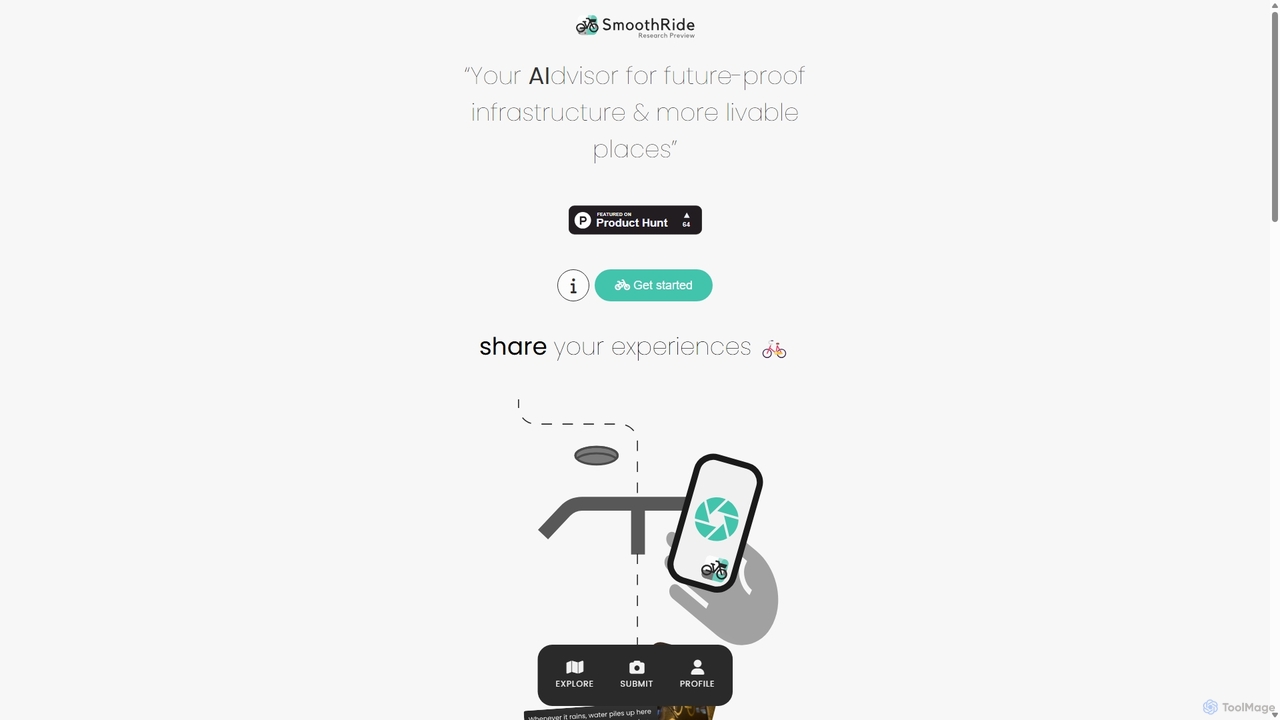
SmoothRide is an AI-powered platform for cyclists to report infrastructure issues and receive innovative solutions. By crowdsourcing problems like potholes and blocked bike lanes, it uses OpenAI to generate practical, best-practice, and creative advice, aiming to create safer and more livable cities for everyone.

Social Platform
Visits 5.2KFavorites 141Likes 142
Entre
Freemium

Entre

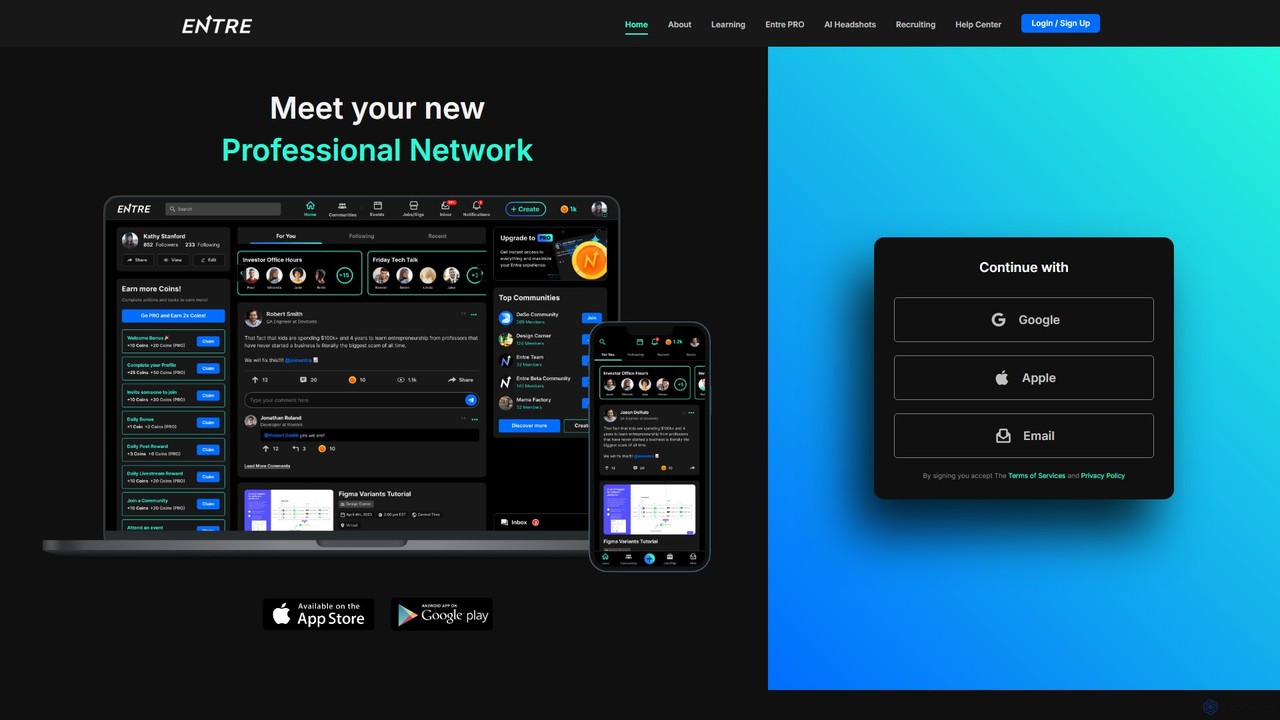
Entre is an AI-powered professional network designed for the future of work. It connects entrepreneurs, freelancers, and tech professionals through intelligent matchmaking, an opportunity marketplace, virtual event hosting, and a vibrant community, empowering users to succeed in the digital world.

Job Board
Visits 42.8KFavorites 138Likes 139
Moescape
Freemium

Moescape

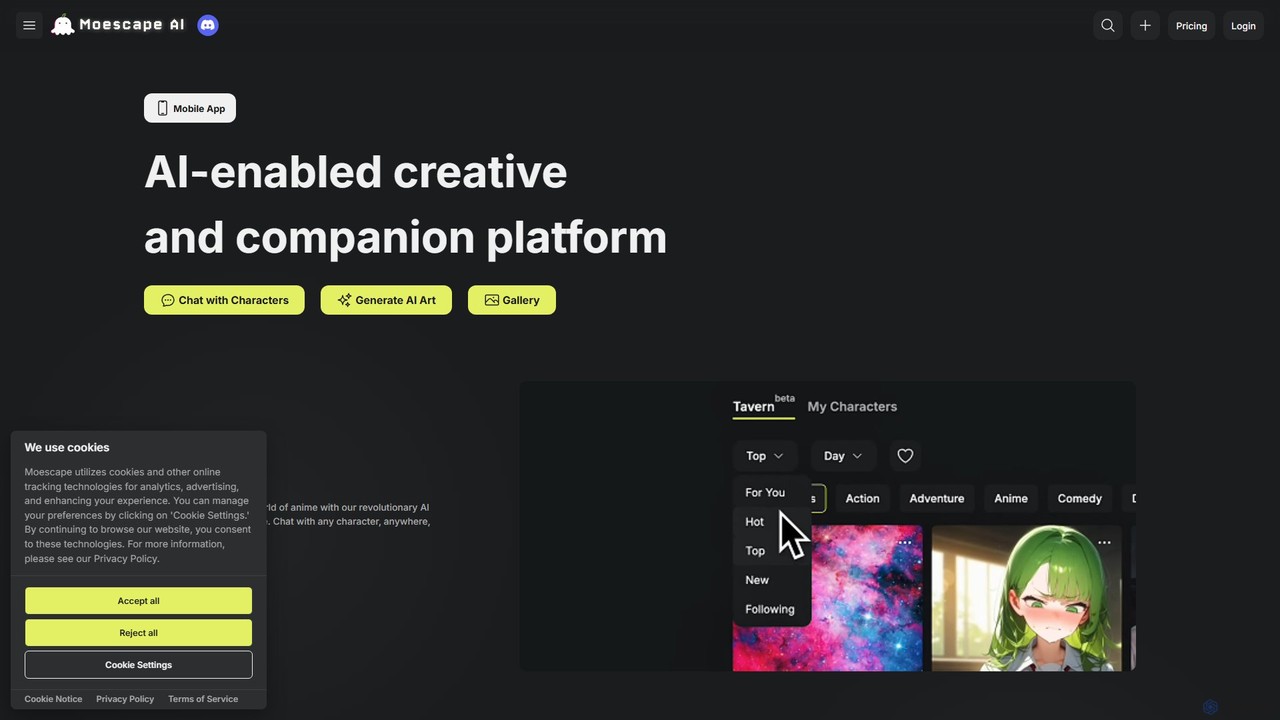
Moescape is an AI-powered creative platform for the anime fandom. It enables users to generate high-quality anime art, chat with lifelike AI characters, and engage with a vibrant community. Featuring a custom model hub, LoRA training, and availability on web and mobile, Moescape empowers fans to bring their creative visions to life, explore new storylines, and share their passion for anime.

Image Generator
Visits 2.5MFavorites 112Likes 133

About Social Platform

Social Platform AI tools are designed to enhance and automate various aspects of social media and community management. These tools leverage artificial intelligence to analyze user behavior, generate engaging content, optimize posting schedules, and personalize interactions. They empower marketers, community managers, and content creators to build stronger online presences, foster deeper engagement, and streamline their digital communication strategies.

Core Features

  • AI Content Generation: Automatically creates posts, captions, and replies tailored to specific platforms and audience demographics.
  • Sentiment Analysis: Monitors social conversations to understand public opinion and brand perception, identifying trends and potential issues.
  • Audience Engagement Optimization: Suggests optimal times for posting, identifies influential users, and helps craft personalized responses to maximize interaction.
  • Automated Moderation: Uses AI to detect and filter inappropriate content or spam, maintaining a healthy and safe community environment.
  • Performance Analytics: Provides deep insights into social media metrics, identifying successful strategies and areas for improvement through AI-driven reporting.

Use Cases

Social Platform AI tools are invaluable for businesses and individuals aiming to maximize their digital footprint. Marketing teams use them to scale content creation and personalize campaigns across multiple channels, while community managers leverage AI for efficient moderation and proactive engagement. Influencers and public figures utilize these tools to maintain consistent online presence and interact authentically with their followers, ensuring their messages resonate effectively.

How to Choose

When selecting a Social Platform AI tool, consider its integration capabilities with your existing social media platforms and CRM systems. Evaluate the breadth and depth of its AI features, such as content generation quality, sentiment analysis accuracy, and automation options. Assess the tool's scalability to match your growth, its pricing model, and the level of support provided. User-friendliness and a clear interface are also crucial for efficient adoption and daily use.

Social Platform use cases

1

Automating Social Media Content Creation

For marketing teams and content creators, AI-powered social platform tools can generate diverse social media posts, captions, and hashtags based on given topics or keywords. This significantly reduces the manual effort in brainstorming and drafting, allowing for consistent content flow across platforms like Instagram, X (formerly Twitter), and LinkedIn, ultimately saving hours of content production time.

2

Enhancing Customer Service on Social Channels

Customer support teams can utilize these AI tools to monitor social mentions and automatically respond to common inquiries or route complex issues to human agents. By analyzing sentiment and keywords, the AI ensures timely and appropriate responses, improving customer satisfaction and reducing response times on platforms like Facebook Messenger and X.

3

Proactive Community Moderation and Management

Community managers overseeing large online groups or forums can deploy AI tools for real-time content moderation. The AI identifies and flags inappropriate comments, spam, or hate speech, ensuring a positive and safe environment for members. This frees up human moderators to focus on fostering meaningful discussions rather than constantly policing content.

4

Personalized Engagement and Audience Growth

Influencers and brands can use AI to analyze audience demographics and engagement patterns, then generate personalized replies or content suggestions. This helps in building deeper connections with followers, identifying potential collaborators, and tailoring outreach strategies to specific segments, leading to organic audience growth and increased loyalty.

5

Optimizing Social Media Advertising Campaigns

Digital advertisers leverage Social Platform AI tools to optimize ad copy, target audiences more precisely, and predict campaign performance. The AI can A/B test different ad variations, analyze which visuals and text resonate best, and adjust bidding strategies in real-time, maximizing ROI for campaigns on platforms like Facebook Ads and Google Ads.

6

Real-time Brand Reputation Monitoring

PR and brand management teams employ AI social platform tools to continuously monitor brand mentions, news, and public sentiment across all major social networks. The AI can alert teams to emerging crises or negative trends, allowing for rapid response and proactive reputation management, safeguarding the brand's image and public trust.

Social Platform FAQ

What are Social Platform AI tools?

Social Platform AI tools are software solutions that use artificial intelligence to automate and enhance tasks related to social media and online community management. They typically feature capabilities like content generation, sentiment analysis, audience engagement optimization, and automated moderation, helping users manage their digital presence more effectively.

How do Social Platform AI tools differ from traditional social media management tools?

Traditional social media management tools primarily focus on scheduling posts, basic analytics, and cross-platform publishing. Social Platform AI tools go further by integrating advanced AI capabilities such as natural language processing for content creation, machine learning for predictive analytics, and deep learning for sentiment analysis, offering more intelligent automation and deeper insights beyond simple task management.

Who can benefit most from using Social Platform AI tools?

A wide range of users can benefit, including social media marketers, community managers, content creators, public relations professionals, and customer service teams. These tools are particularly valuable for those managing large-scale social presences, aiming for personalized audience engagement, or needing to streamline content production and moderation across multiple platforms.

What are the key considerations when choosing a Social Platform AI tool?

Key considerations include the specific AI features offered (e.g., content generation quality, sentiment analysis accuracy), integration with your existing social media platforms and CRM, scalability to meet future needs, pricing structure, and the level of customer support. Also, evaluate the tool's user interface for ease of use and its ability to provide actionable insights.

Can Social Platform AI tools help with content creation?

Yes, content creation is one of the primary benefits. Many Social Platform AI tools can generate various forms of content, including social media posts, captions, headlines, and even short-form video scripts. They can suggest relevant hashtags, optimize content for specific platforms, and tailor messages to different audience segments, significantly boosting content output and relevance.