Bonmyvoyage
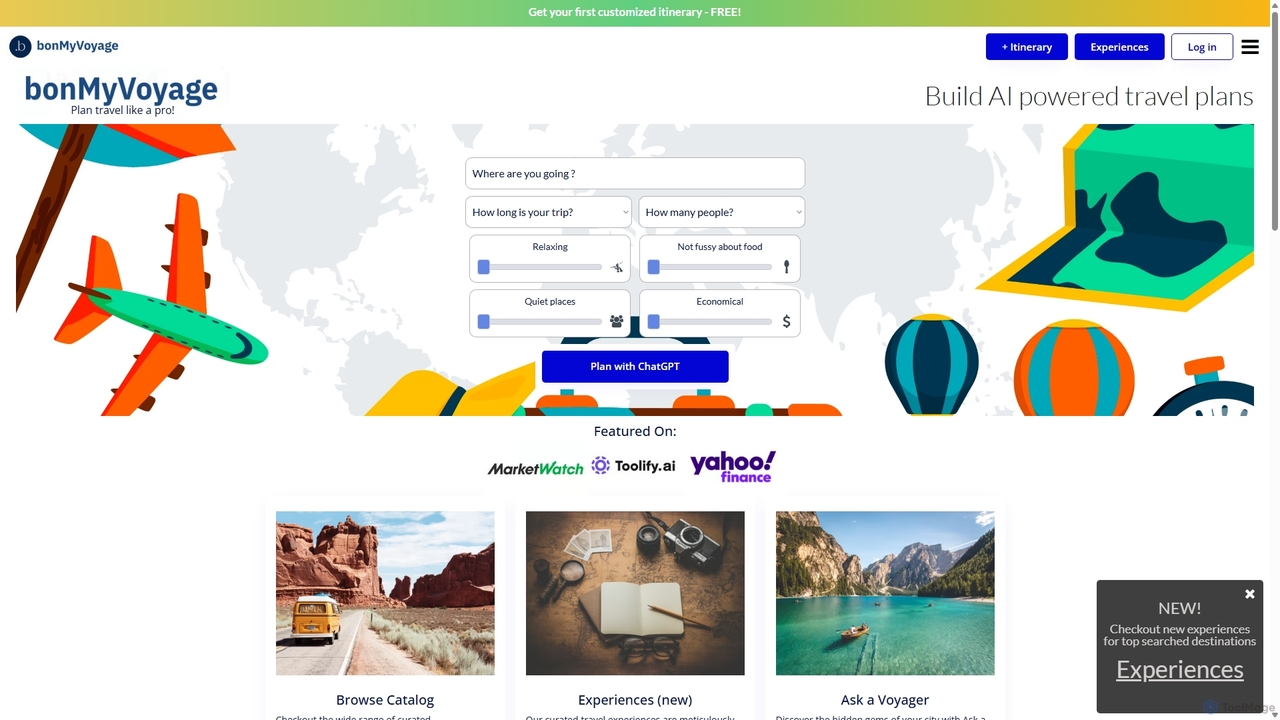
bonmyvoyage is an AI-powered travel planning platform and marketplace. It enables users to generate personalized itineraries using AI, …
bonmyvoyage is an AI-powered travel planning platform and marketplace. It enables users to generate personalized itineraries using AI, browse a wide range of curated travel plans from verified users, and connect with locals for authentic recommendations, streamlining the entire travel planning process.
Tripper Guide
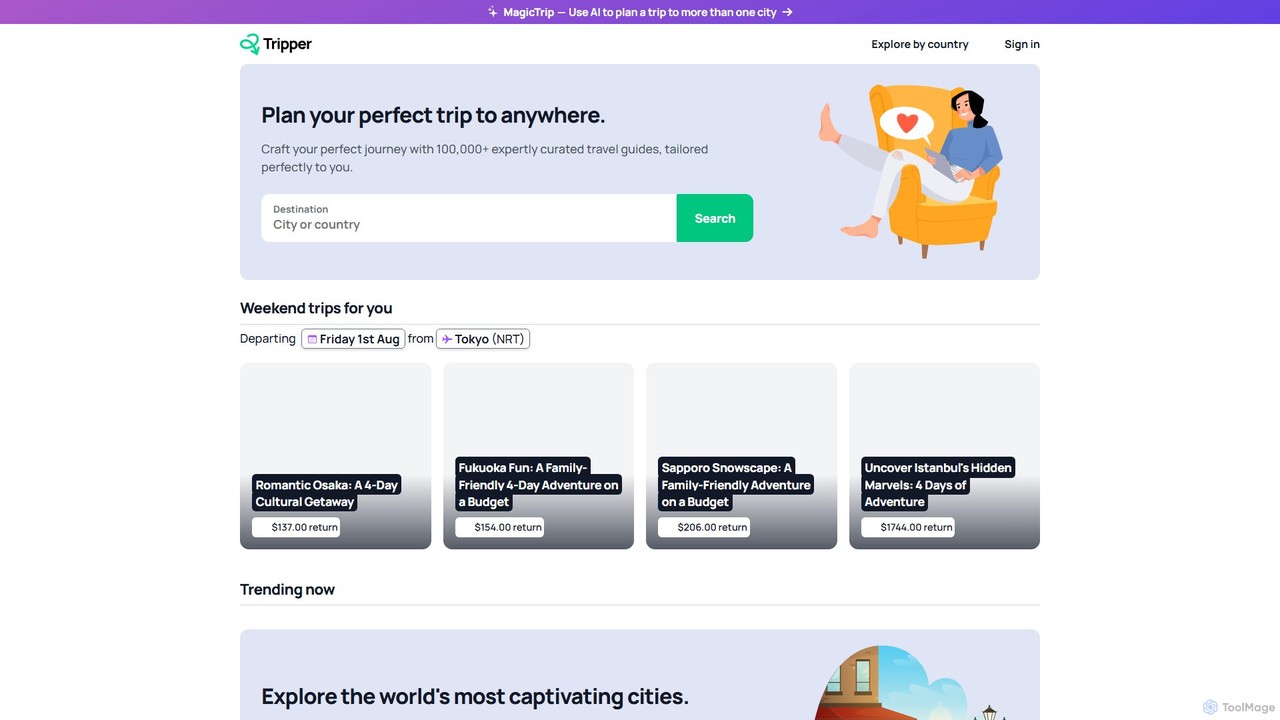
Tripper Guide is an AI-powered travel planner that creates personalized single and multi-city travel itineraries. Simply enter your …
Tripper Guide is an AI-powered travel planner that creates personalized single and multi-city travel itineraries. Simply enter your destination and preferences, and the AI generates detailed guides with curated recommendations for attractions, restaurants, nightlife, and more, saving you hours of research.
gettravelbuddy
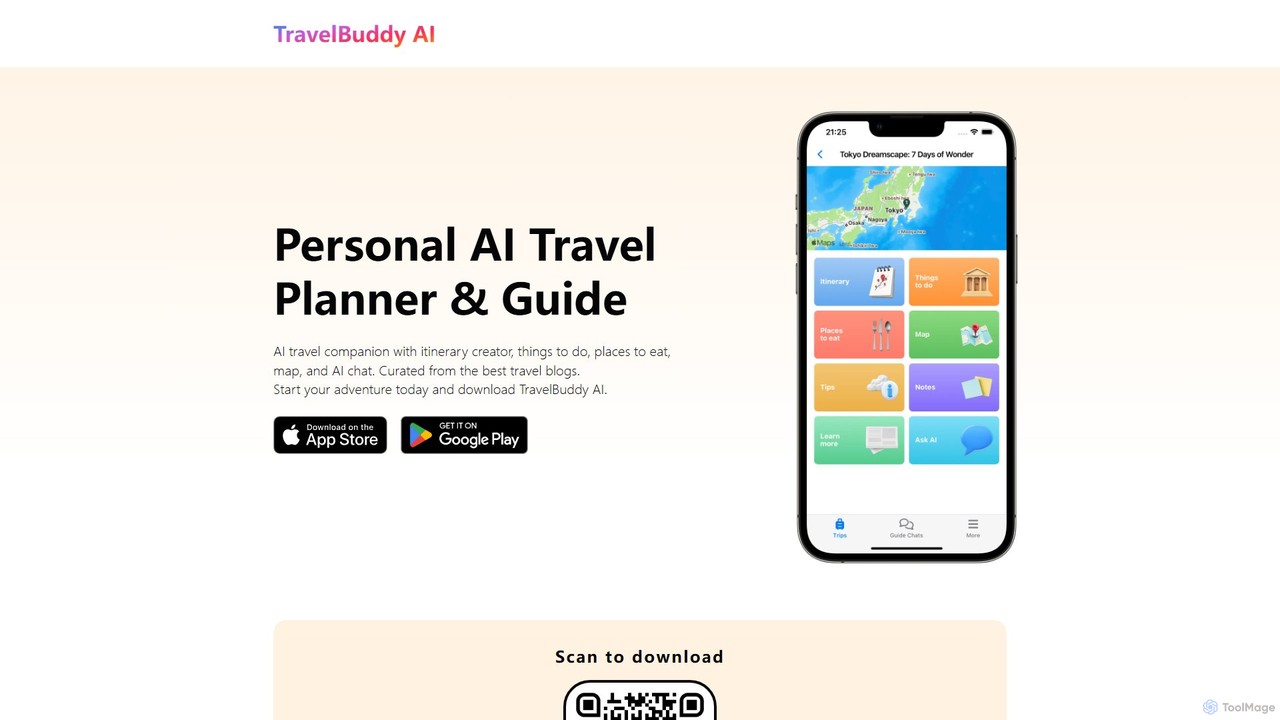
gettravelbuddy is a personal AI travel planner and guide that creates custom itineraries based on your interests. It …
gettravelbuddy is a personal AI travel planner and guide that creates custom itineraries based on your interests. It offers recommendations for activities and restaurants, an interactive map, and an AI chat assistant. Sourcing information from top travel blogs, it simplifies trip planning for any adventure.
About Guidance
AI Guidance tools are applications designed to provide personalized advice, actionable insights, and structured support for personal and professional development. These tools leverage machine learning, data analysis, and principles from behavioral science to act as digital mentors or coaches. They help users navigate complex decisions, build positive habits, and achieve specific life goals by offering tailored roadmaps and feedback. Unlike simple task managers, AI Guidance tools focus on the strategic 'why' and 'how' behind personal growth.
Core Features
- Personalized Goal Setting: Helps users define, track, and adjust meaningful goals with AI-driven suggestions and milestones.
- Decision Support Frameworks: Provides structured models to analyze choices, weigh pros and cons, and reduce cognitive biases.
- Habit Formation & Tracking: Delivers customized plans, reminders, and motivational feedback to build and maintain positive routines.
- AI-Powered Reflection: Uses guided journaling prompts and sentiment analysis to help users gain self-awareness and clarity.
- Skill Development Roadmaps: Creates tailored learning paths based on user objectives and existing knowledge.
Use Cases
These tools are widely used by individuals for career planning, skill enhancement, and improving mental well-being. Professionals use them for leadership development and making strategic decisions. They are also valuable for anyone looking to instill discipline, manage stress, or gain clarity on personal finance goals.
How to Choose
When selecting an AI Guidance tool, consider the underlying methodology (e.g., based on CBT, positive psychology). Evaluate the level of personalization and the quality of insights provided. Data privacy and security policies are crucial, as you may share sensitive information. Also, check its integration capabilities with other apps like calendars or fitness trackers for a holistic experience.
GuidanceUse Cases
Planning a Career Transition
A mid-career professional feeling unfulfilled uses an AI Guidance tool to navigate a career change. By answering a series of questions about their skills, interests, and values, the AI generates three potential career paths with high satisfaction scores. For each path, it outlines required skills, suggests online courses, and creates a 6-month action plan. This structured guidance helps the user move from feeling stuck to taking confident, informed steps towards a more rewarding career.
Building a Consistent Morning Routine
A user struggling with procrastination wants to establish a productive morning routine. They use an AI Guidance tool that, based on principles of behavioral psychology, helps them design a realistic routine. The tool suggests starting with a small, 5-minute habit and gradually adding more. It sends smart reminders, tracks consistency, and provides positive reinforcement. When the user misses a day, the AI offers non-judgmental encouragement to get back on track, helping them build a sustainable habit over weeks.
Making a Major Financial Decision
A couple is deciding whether to buy a house or continue renting and investing. They input their financial data, risk tolerance, and long-term goals into an AI Guidance tool. The AI runs simulations based on different market scenarios and presents a clear comparison of the potential long-term financial outcomes for both choices. It highlights factors they might have overlooked, such as maintenance costs and investment volatility, enabling them to make a well-informed decision aligned with their financial future.
Improving Emotional Self-Awareness
An individual looking to better understand their emotional patterns uses an AI journaling tool. Each day, they write about their experiences, and the AI analyzes the text for recurring themes, emotional triggers, and sentiment shifts. It provides weekly summaries, visualizing how certain activities or interactions correlate with their mood. These insights help the user recognize patterns, such as feeling anxious before weekly meetings, and the tool then suggests CBT-based techniques to manage that specific anxiety.
Creating a Personalized Learning Plan
A developer wants to learn a new programming language for a promotion. They use an AI Guidance tool to create an efficient study plan. The tool assesses their current knowledge level and learning style, then generates a personalized curriculum. It breaks down complex topics into manageable modules, suggests relevant articles and video tutorials, and schedules study sessions in their calendar. This structured approach prevents overwhelm and ensures they cover all necessary topics systematically before their performance review.
Enhancing Leadership and Communication Skills
A new manager uses an AI coach to improve their leadership skills. They can practice difficult conversations through role-playing with the AI, which provides instant feedback on their tone, clarity, and empathy. The tool also offers daily micro-lessons on topics like giving constructive feedback or motivating a team. By applying these lessons and practicing in a safe environment, the manager builds confidence and becomes a more effective communicator and leader for their team.