Lifestyle Best in category 5 results Habit Tracking AI Tool

Popular AI tools in the Habit Tracking field of Lifestyle include Dreamfora、Dewey、Stepseed、GitFit、Jed, etc., helping you quickly improve efficiency.

GitFit

GitFit

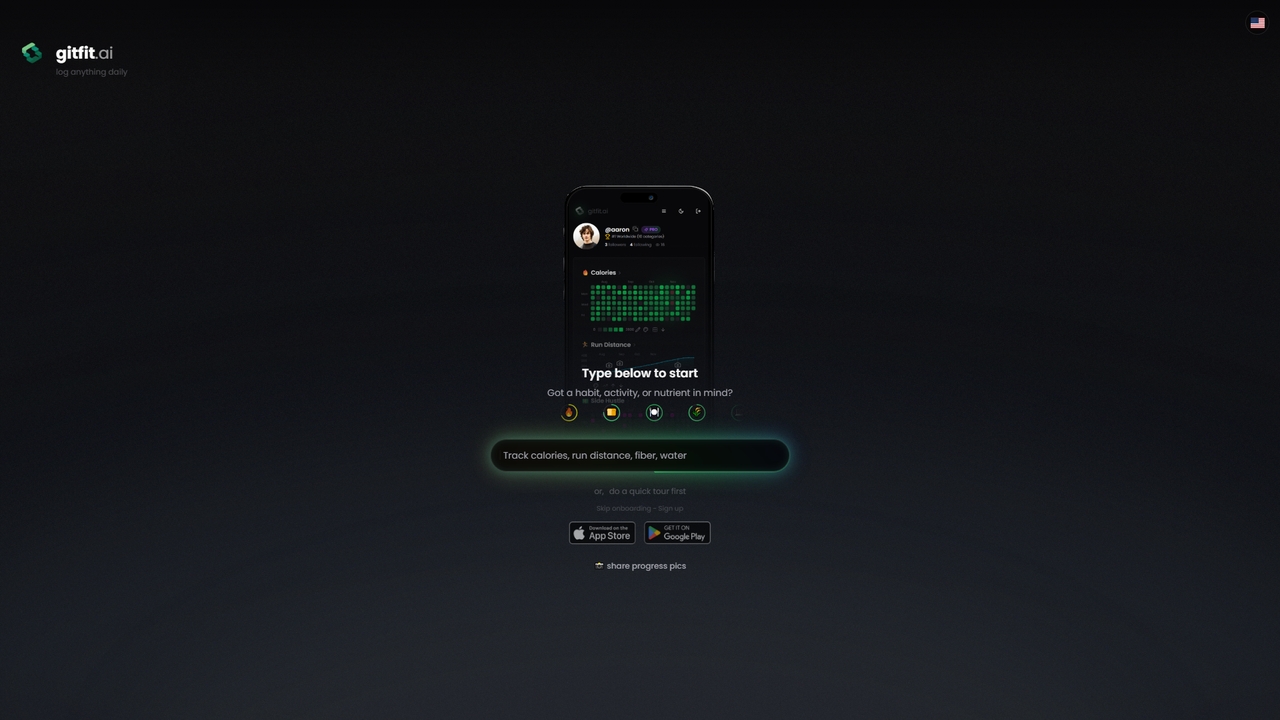
GitFit is an AI-powered fitness and habit-tracking application that combines calorie counting, activity logging, and progress visualization. It …

3.3K
Jed

Jed

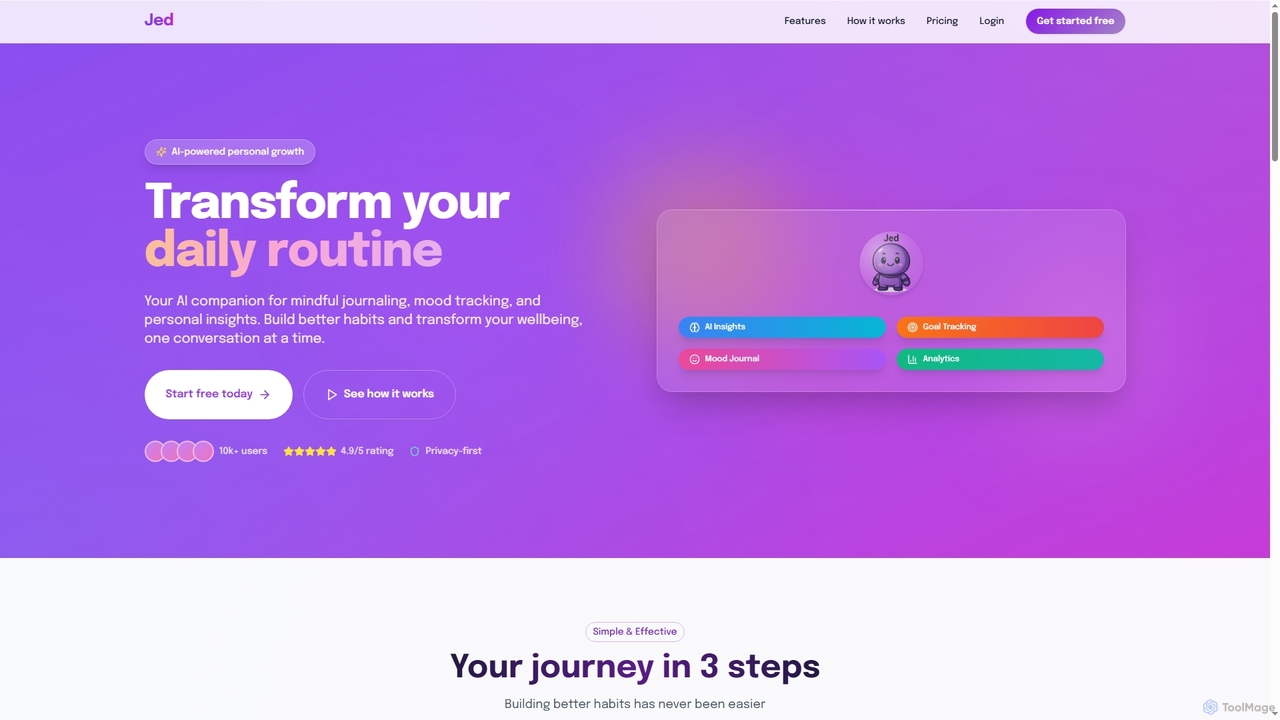
Jed is an AI-powered personal growth companion for mindful journaling, mood tracking, and habit building. It offers guided …

3.2K
Dewey

Dewey

Dewey is an AI accountability buddy that helps you manage to-do lists and build habits via SMS. It …

5.2K
Dreamfora

Dreamfora

Dreamfora is an AI-powered goal-setting application designed to help users achieve their aspirations. It automatically generates personalized, actionable …

5.3K
Stepseed

Stepseed

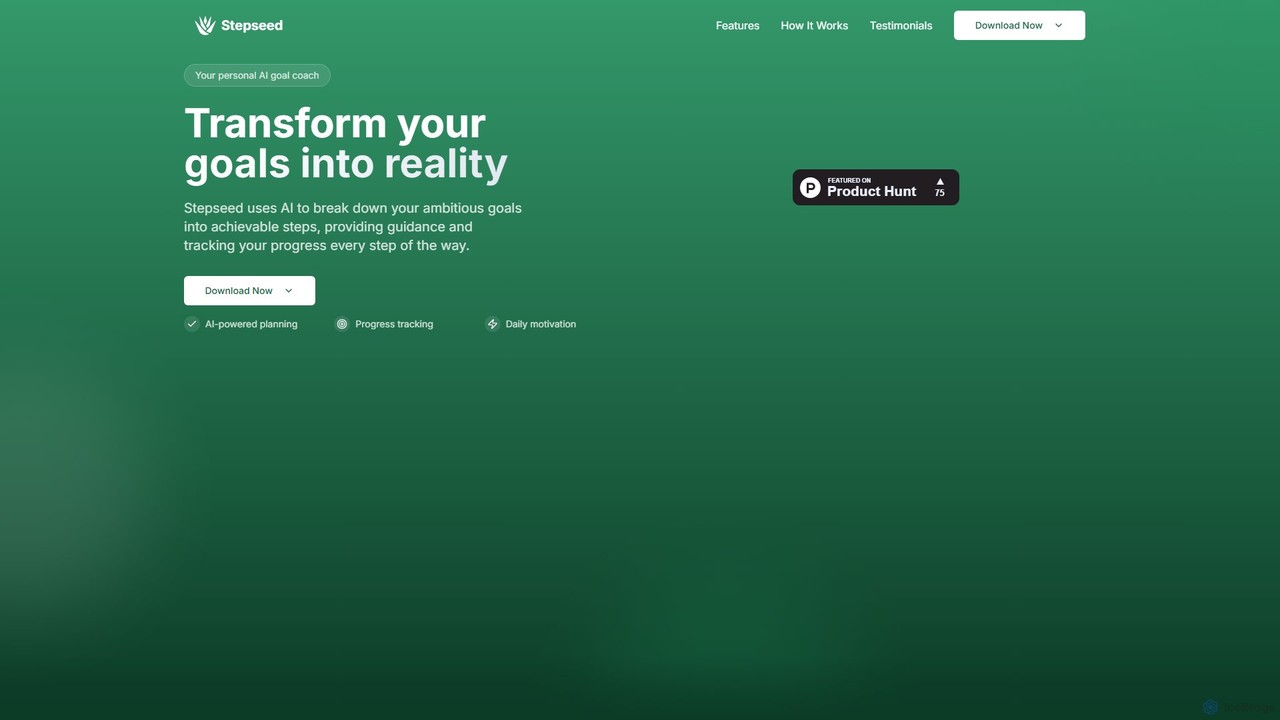
Stepseed is an AI-powered goal tracker and personal coach designed to turn your ambitions into reality. It uses …

4.2K

About Habit Tracking

Habit Tracking tools are AI-powered applications designed to help individuals establish, monitor, and reinforce positive behaviors while breaking negative ones. These tools leverage data analysis and personalized nudges to guide users towards their personal growth goals. They provide structured frameworks for consistency and accountability, making the journey of self-improvement more manageable and effective.

Core Features

  • Personalized Goal Setting: AI assists in defining realistic, measurable habit goals tailored to individual aspirations.
  • Progress Visualization: Interactive charts and dashboards display habit streaks, completion rates, and overall progress over time.
  • Smart Reminders & Nudges: Intelligent notifications adapt to user patterns, prompting actions at optimal times without being intrusive.
  • Behavioral Analytics: Analyzes user data to identify patterns, triggers, and obstacles, offering insights for habit optimization.
  • Gamification Elements: Incorporates points, badges, and streaks to make habit building engaging and rewarding.

Use Cases

Individuals seeking personal development use Habit Tracking tools to cultivate new routines like daily meditation or regular exercise. Professionals leverage them to maintain focus on work-related habits such as timely project updates or skill development. Students can track study schedules and learning milestones, ensuring consistent academic progress.

How to Choose

When selecting a Habit Tracking tool, consider its customization options for habit types and schedules, ensuring it aligns with your specific needs. Evaluate the clarity and depth of its progress visualization and reporting features. Check for integration capabilities with other productivity apps or calendars. Finally, assess the intuitiveness of its user interface and the level of personalized guidance offered by its AI features.

Habit TrackingUse Cases

1

Cultivating Daily Wellness Routines

Individuals use habit tracking apps to consistently practice meditation, exercise, or healthy eating, receiving smart reminders and progress insights to maintain their wellness journey. The tools help users set achievable daily goals, track their completion, and visualize streaks, fostering a sense of accomplishment and encouraging long-term adherence to health-focused habits.

2

Boosting Professional Productivity

Professionals track work-related habits like focused work blocks, learning new skills, or networking activities, ensuring steady progress towards career goals and preventing burnout. By logging consistent efforts, they can identify patterns of peak productivity, allocate time more effectively, and receive prompts to maintain momentum on critical tasks, leading to enhanced career development.

3

Achieving Academic Consistency

Students utilize these tools to monitor study sessions, assignment deadlines, and reading habits, fostering discipline and improving academic performance through visual progress and accountability. The ability to track daily learning goals and receive timely reminders helps students avoid procrastination, manage their workload efficiently, and build a consistent study routine for better grades.

4

Breaking Unwanted Habits

Users leverage habit tracking to identify triggers and reduce negative behaviors like excessive screen time or procrastination, with AI offering strategies and support for gradual change. By logging instances of the unwanted habit, users gain awareness of their patterns, allowing the tool to provide targeted interventions, alternative suggestions, and motivational feedback to help them gradually diminish and eventually eliminate the behavior.

5

Managing Personal Finance Habits

Individuals track spending, saving, and investment habits to build financial discipline, using visual reports to understand their money behaviors and achieve financial goals. By consistently logging financial actions, users can identify areas for improvement, stick to budgets, and see the cumulative impact of their habits, leading to better financial health and goal attainment.

6

Enhancing Creative Output

Artists and writers track daily creative sessions, idea generation, or practice routines, using the tools to overcome creative blocks and maintain a consistent output. By setting and tracking specific creative habits, they can ensure dedicated time for their craft, monitor their progress on projects, and receive motivational nudges to stay inspired and productive, fostering a steady flow of creative work.

Habit TrackingFrequently Asked Questions