
ToolMage
Sign in

Best 1 Healthy Eating AI tools for Lifestyle

Popular Healthy Eating AI tools in Lifestyle include OnMangeQuoi, helping you work more efficiently.

OnMangeQuoi
Freemium

OnMangeQuoi

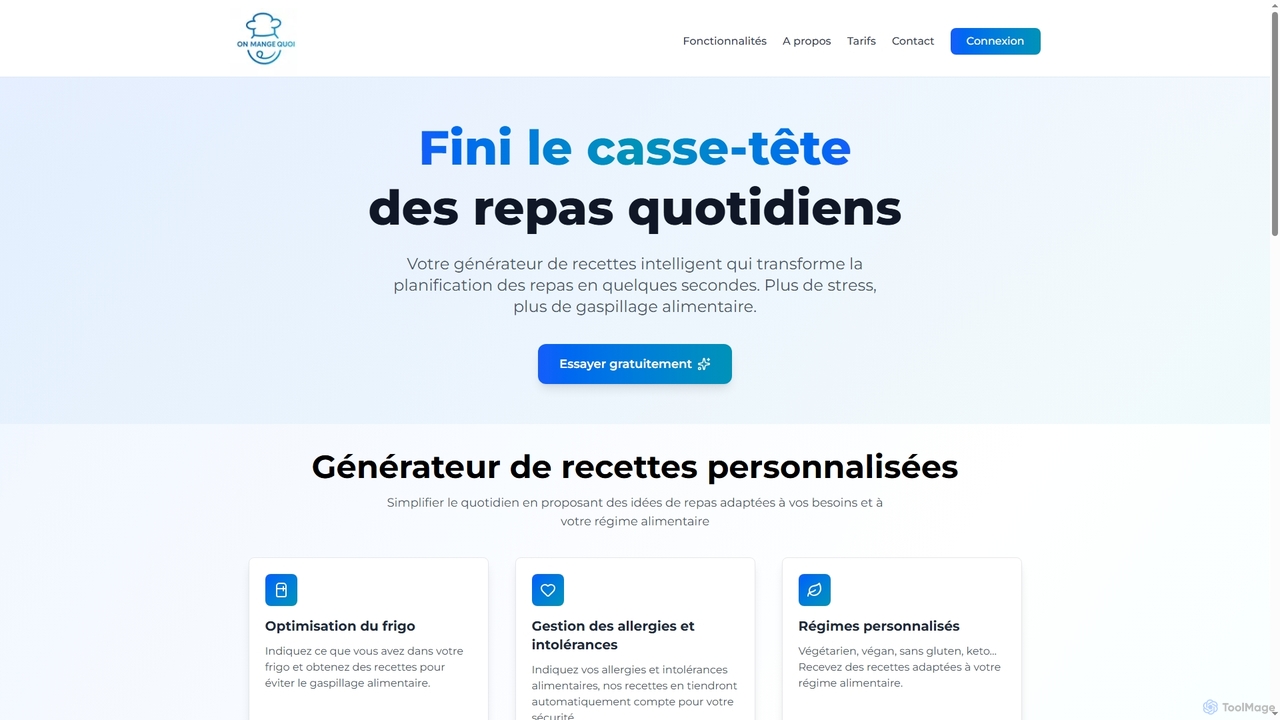
OnMangeQuoi is an intelligent AI-powered recipe generator and meal planner designed to simplify daily meal preparation. It offers personalized recipe suggestions based on dietary needs, allergies, available ingredients, and preferences, helping users reduce food waste and stress.

Recipe Generation
Visits 6KFavorites 122Likes 134

About Healthy Eating

Healthy Eating AI tools are intelligent applications designed to assist individuals in cultivating and maintaining optimal dietary habits. Leveraging advanced machine learning and data analytics, these tools provide personalized nutrition guidance, meal planning, and food tracking capabilities. They empower users to make informed food choices, manage specific dietary needs, and achieve their wellness goals more effectively within the broader context of a healthy lifestyle.

Core Features

  • Personalized Meal Planning: Generates customized meal plans based on dietary preferences, health goals, and caloric needs.
  • Nutrition Tracking & Analysis: Logs food intake, providing detailed breakdowns of macronutrients, micronutrients, and calorie consumption.
  • AI Food Recognition: Identifies food items from photos, simplifying the process of logging meals and calculating nutritional values.
  • Dietary Recommendation Engine: Offers tailored advice and suggestions for improving eating habits and addressing nutritional deficiencies.
  • Smart Recipe Generation: Suggests healthy recipes that align with user's dietary restrictions, available ingredients, and cooking skill level.

Use Cases

These tools are invaluable for individuals aiming for weight management, athletes optimizing performance, or those managing chronic health conditions like diabetes or hypertension through diet. They also support busy professionals seeking convenient ways to maintain a balanced diet and families looking to instill healthier eating patterns.

How to Choose

When selecting a Healthy Eating AI tool, consider its level of personalization, the accuracy and breadth of its food database, ease of use for logging and planning, and integration capabilities with other health devices. Evaluate its support for specific dietary restrictions and the quality of its nutritional advice to ensure it aligns with your unique health journey.

Healthy Eating use cases

1

Personalized Weight Management Meal Planning

Individuals aiming for sustainable weight loss or gain can utilize AI tools to create highly personalized meal plans. The tool analyzes their current weight, activity level, dietary preferences, and health goals to generate daily or weekly menus, track calorie and macronutrient intake, and adjust recommendations based on progress. This ensures a tailored approach to achieving and maintaining a healthy weight.

2

Managing Complex Dietary Restrictions

For users with allergies, intolerances, or specific dietary requirements (e.g., vegan, gluten-free, low-FODMAP), AI Healthy Eating tools are crucial. They can filter recipes, identify potential allergens in food items through image recognition or ingredient scanning, and suggest compliant alternatives. This significantly reduces the stress and risk associated with navigating complex dietary needs, ensuring safe and healthy eating.

3

Optimizing Athletic Performance Nutrition

Athletes and fitness enthusiasts can leverage these AI tools to fine-tune their nutrition for peak performance and recovery. The tool integrates with fitness trackers to understand energy expenditure, then recommends precise macronutrient timing and ratios for pre-workout, post-workout, and rest days. It helps track hydration and specific micronutrient intake, ensuring the body receives optimal fuel for training and competition.

4

Streamlining Healthy Meal Prep for Busy Schedules

Busy professionals or parents often struggle to prepare healthy meals consistently. AI Healthy Eating tools simplify this by generating quick, easy, and nutritious recipes tailored to available time and ingredients. They can create automated grocery lists, suggest batch cooking options, and even plan meals that minimize cooking time, enabling users to maintain a healthy diet despite demanding schedules.

5

Proactive Dietary Analysis for Chronic Disease Prevention

Individuals concerned about preventing chronic diseases like heart disease, type 2 diabetes, or hypertension can use AI tools for in-depth dietary analysis. By logging food intake, the tool identifies patterns of nutrient deficiencies or excesses, highlights high-risk foods, and provides evidence-based recommendations for healthier alternatives. This empowers users to make proactive dietary changes to mitigate long-term health risks.

6

Reducing Food Waste with Smart Ingredient Management

Households looking to eat healthier and minimize food waste can benefit from AI-powered ingredient management. The tool tracks pantry inventory, suggests recipes using ingredients nearing their expiration date, and generates optimized grocery lists based on planned meals. This ensures that food is consumed efficiently, reducing waste and promoting sustainable healthy eating habits while saving money.

Healthy Eating FAQ

What are AI Healthy Eating tools?

AI Healthy Eating tools are software applications that use artificial intelligence to help individuals manage and improve their nutritional intake and overall dietary habits. They typically offer features like personalized meal planning, detailed nutrition tracking, and intelligent food recommendations, all tailored to a user's specific health goals and preferences.

How can AI Healthy Eating tools benefit my health?

AI Healthy Eating tools can significantly benefit your health by providing personalized, data-driven insights into your diet. They help you understand what you're eating, identify areas for improvement, and offer actionable advice to meet nutritional goals. This leads to better portion control, balanced nutrient intake, and sustained healthy eating habits, contributing to improved physical and mental well-being.

Are AI Healthy Eating tools suitable for specific dietary needs or medical conditions?

Many AI Healthy Eating tools are designed to accommodate a wide range of specific dietary needs, such as vegetarian, vegan, gluten-free, or allergen-specific diets. Some advanced tools can also assist in managing conditions like diabetes or hypertension by suggesting appropriate food choices. However, for serious medical conditions, these tools should complement, not replace, professional medical and dietary advice.

What kind of data do AI Healthy Eating tools use to provide recommendations?

AI Healthy Eating tools typically use a combination of user-provided data, such as age, weight, activity level, dietary preferences, and health goals. They also integrate data from extensive food databases, and some can even analyze food photos or connect with wearable devices to gather real-time activity data. This comprehensive data allows for highly personalized and dynamic recommendations.

How do AI Healthy Eating tools differ from traditional nutritionists or dietitians?

AI Healthy Eating tools offer scalable, always-available, and often more affordable dietary guidance compared to traditional nutritionists. They excel at data tracking, personalized recipe generation, and instant feedback. However, human nutritionists provide empathetic support, nuanced understanding of complex health issues, and tailored psychological coaching that AI tools cannot fully replicate. They are best used as complementary resources.