Food & Drink Best in category 9 results Recipe Generation AI Tool

Popular AI tools in the Recipe Generation field of Food & Drink include Yammy、Recipe Reactor、Babaselo、CheesecakeWizard、InstaDish、AirFryBot、Dinnerfy、unrealmeal、OnMangeQuoi, etc., helping you quickly improve efficiency.

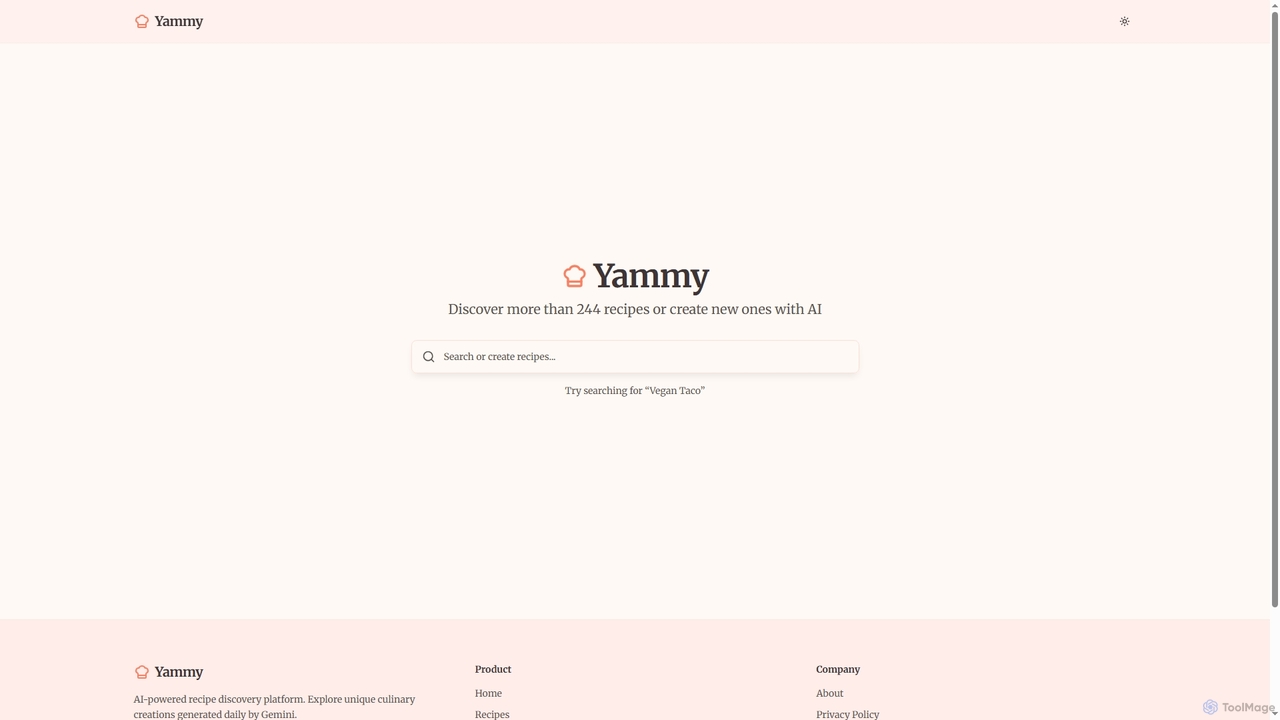
Yammy

Yammy

Yammy is an AI-powered recipe discovery and generation platform leveraging Google Gemini to help users find and create …

5.0K
OnMangeQuoi

OnMangeQuoi

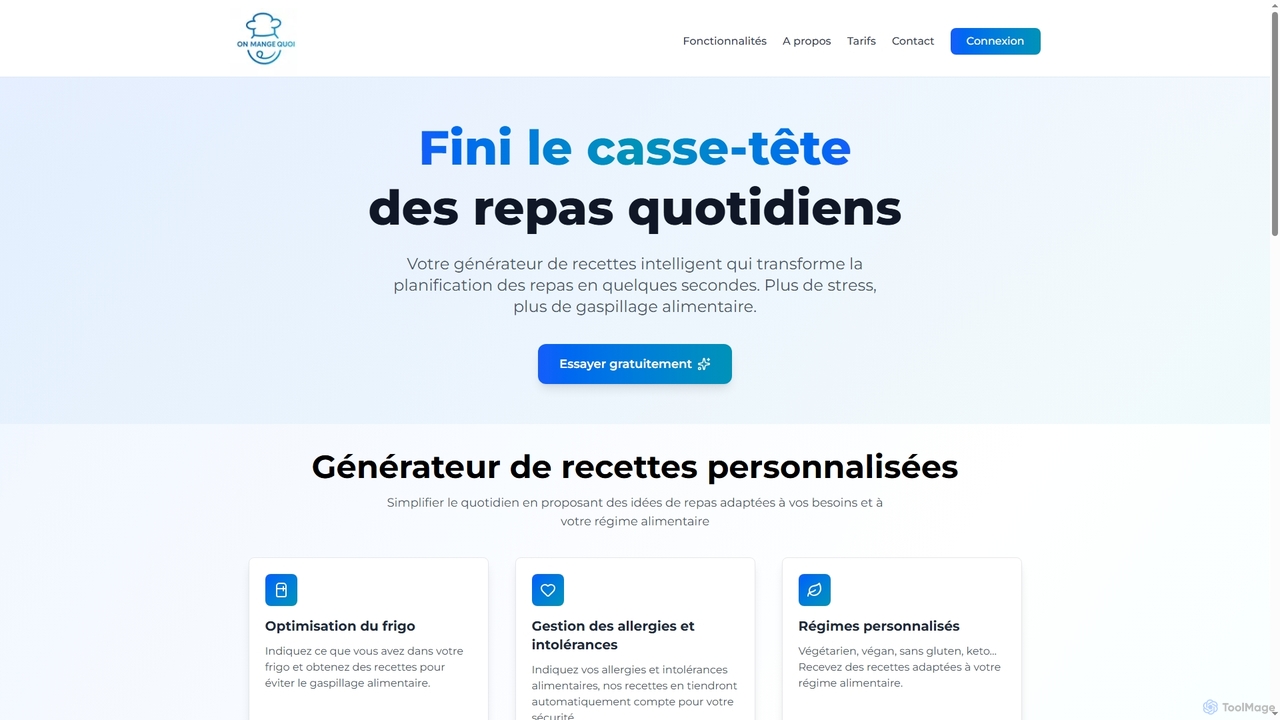
OnMangeQuoi is an intelligent AI-powered recipe generator and meal planner designed to simplify daily meal preparation. It offers …

1.8K
CheesecakeWizard

CheesecakeWizard

CheesecakeWizard is an AI-powered culinary assistant designed to generate unique cheesecake and dessert recipes. Simply input your desired …

1.8K
InstaDish

InstaDish

InstaDish is an AI-powered recipe generator that transforms your available ingredients into delicious, customized meals. Simply upload a …

1.8K
unrealmeal

unrealmeal

UnrealMeal is an AI-powered platform for generating hyper-realistic and imaginative food images and recipes from text prompts. It's …

1.8K
Babaselo

Babaselo

Babaselo is an AI-powered recipe companion that magically transforms your available ingredients into delicious, customized recipes. It helps …

1.9K
Free
Dinnerfy

Dinnerfy

Dinnerfy is an AI-powered meal planning assistant that puts your family dinners on autopilot. By learning your taste …

1.8K
Recipe Reactor

Recipe Reactor

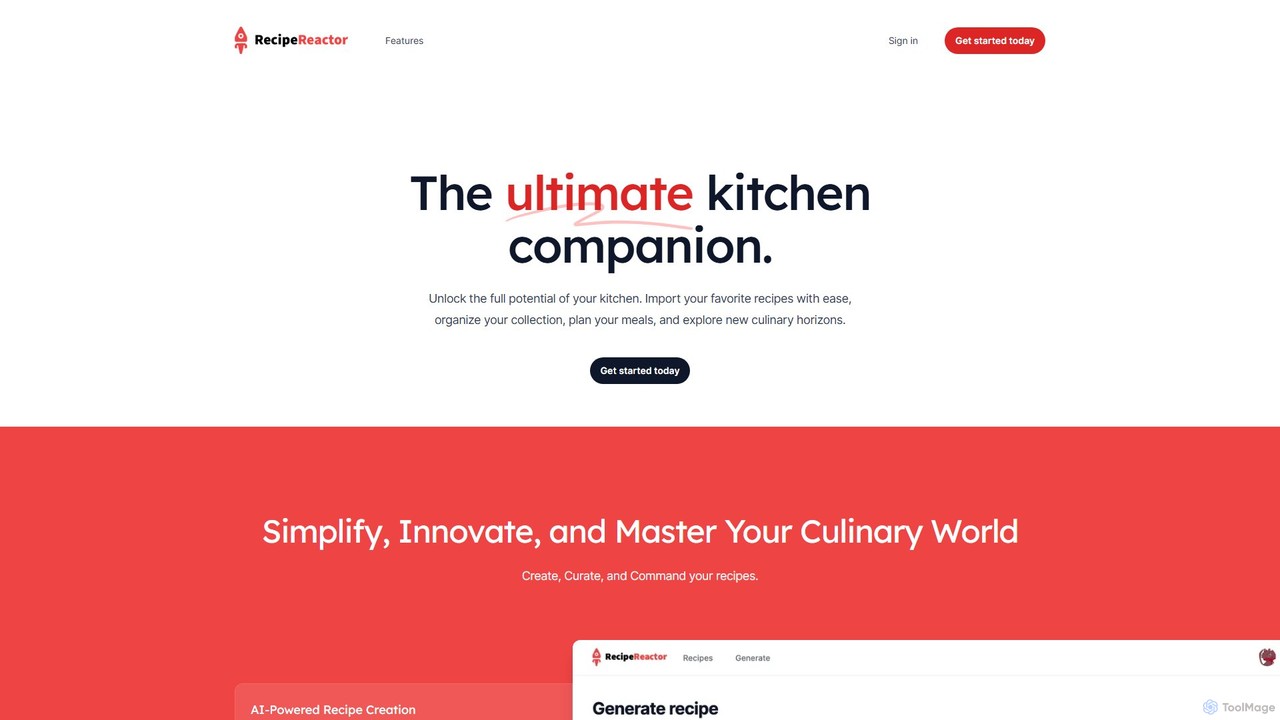
Recipe Reactor is an AI-powered kitchen companion that transforms your available ingredients into delicious recipes. It helps you …

2.1K
Free
AirFryBot

AirFryBot

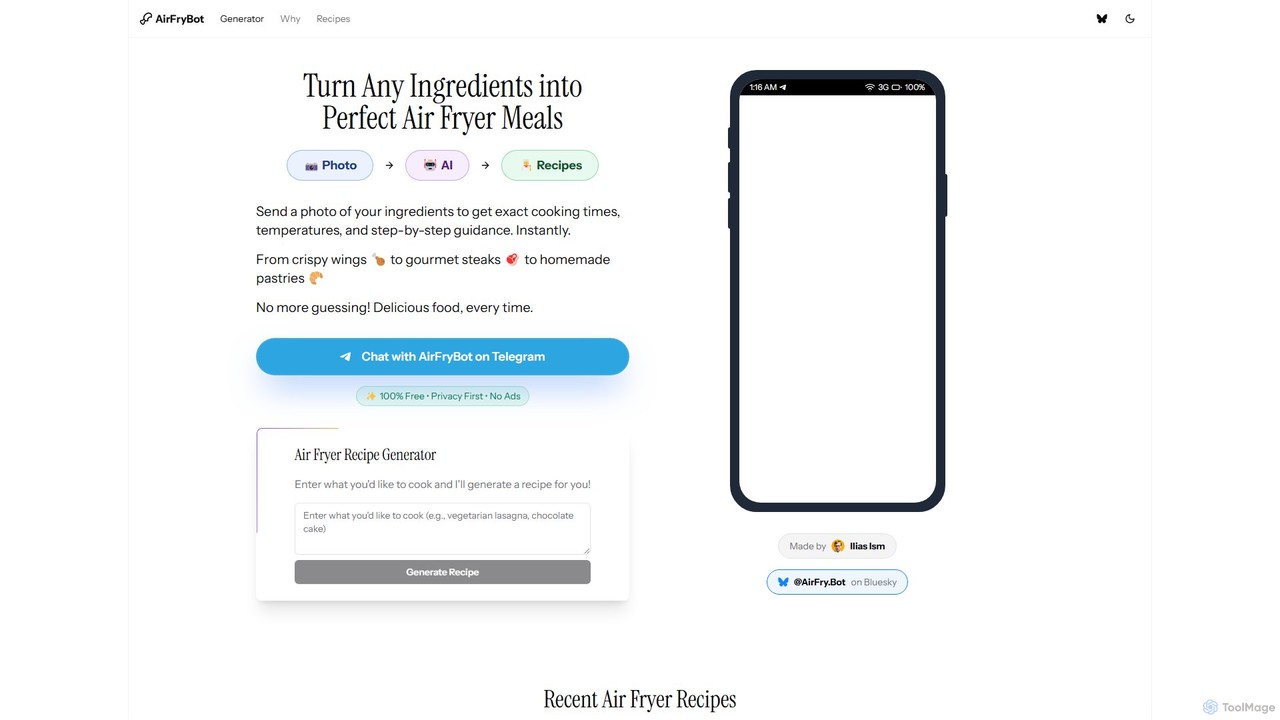
AirFryBot is a free AI-powered cooking assistant for air fryer enthusiasts. Simply send a photo of your ingredients …

1.8K

About Recipe Generation

Recipe Generation tools are AI-powered applications designed to create new, customized, or adapted culinary recipes from user inputs. These tools leverage large language models and machine learning algorithms, trained on vast databases of recipes, ingredients, and cooking techniques, to generate coherent and creative meal instructions. Their primary value lies in offering personalized solutions for dietary needs, utilizing available ingredients to reduce food waste, and inspiring culinary creativity for both home cooks and professionals. They can instantly produce recipes for specific cuisines, dietary restrictions, or even a random list of items from your pantry.

Core Features

  • Ingredient-Based Generation: Creates complete recipes based on a list of ingredients you currently have.
  • Dietary Customization: Adapts or generates recipes to fit specific dietary needs like vegan, gluten-free, keto, or allergy restrictions.
  • Cuisine Style Adaptation: Transforms a dish into a different culinary style or fuses multiple cuisines to create innovative meals.
  • Meal Planning: Generates structured daily or weekly meal plans according to user preferences and nutritional goals.
  • Nutritional Analysis: Provides estimated nutritional information, such as calories, protein, carbs, and fats, for the generated recipes.

Use Cases

These tools are widely used by home cooks looking to combat decision fatigue or use up leftover ingredients. Nutritionists and fitness enthusiasts use them to create tailored meal plans that meet specific macro and calorie targets. Additionally, food bloggers, chefs, and content creators leverage them for brainstorming new menu items or developing unique content for their audience.

How to Choose

When selecting a Recipe Generation tool, consider the flexibility of its input options—can you specify ingredients, cooking time, and dietary needs with precision? Evaluate the quality and diversity of the recipe database it draws from. Check for advanced features like serving size adjustment, ingredient substitution suggestions, and integration with grocery shopping lists. Finally, a clean, intuitive user interface is crucial for a seamless experience from input to final recipe.

Recipe GenerationUse Cases

1

Clearing Out the Refrigerator to Reduce Food Waste

A home cook faces the common problem of having several random ingredients nearing their expiration date, such as half a bell pepper, some chicken breast, and a bit of cream. Instead of letting them go to waste, they input these items into an AI recipe generator. The tool analyzes the combination and suggests a creative recipe like 'Creamy Chicken and Pepper Skillet,' providing a full ingredient list and step-by-step instructions. This process not only prevents food waste but also introduces the user to a new dish they might not have considered, saving money and promoting sustainable kitchen habits.

2

Personalized Meal Planning for Fitness Goals

A fitness enthusiast needs a weekly meal plan that is high in protein, low in carbohydrates, and totals around 2,000 calories per day. Manually finding varied recipes that fit these strict criteria is time-consuming. They use an AI recipe generator, inputting their dietary constraints, calorie targets, and preference for quick 30-minute meals. The AI generates a complete 7-day meal plan with breakfast, lunch, and dinner recipes that all meet the specified nutritional requirements. This automates the planning process, ensures dietary compliance, and adds variety to their diet, helping them stay on track with their fitness goals more effectively.

3

Developing New Menu Items for a Cafe

A small cafe owner wants to refresh their seasonal menu with unique, trendy items. Instead of spending days on research and development, they use an AI recipe generator for inspiration. They input core concepts like 'avocado toast with a twist' or 'spicy pumpkin soup'. The AI provides several creative variations, such as 'Avocado Toast with Hot Honey and Feta' or 'Thai Red Curry Pumpkin Soup'. These suggestions serve as a strong starting point, which the chef can then test, refine, and perfect for their menu. This approach significantly accelerates the creative process, reduces R&D costs, and helps the cafe stay competitive with innovative offerings.

4

Creating Content for a Niche Food Blog

A food blogger specializing in culinary fusion wants to create a series of posts on 'Italo-Japanese' cuisine. To generate initial ideas, they use an AI tool, prompting it with combinations like 'ramen and carbonara' or 'sushi and risotto'. The AI generates foundational recipes like 'Carbonara Ramen with Crispy Pancetta' and 'Miso-Mushroom Risotto'. The blogger then uses these AI-generated concepts as a base, preparing, styling, and photographing the dishes. This allows them to produce unique and engaging content consistently, attracting a larger audience by exploring novel culinary territory without starting from scratch every time.

5

Accommodating Dinner Guests with Multiple Allergies

A host is preparing a dinner party and discovers one guest is gluten-intolerant while another has a severe nut allergy. Finding a dessert recipe that is safe for both can be challenging. The host uses an AI recipe generator, inputting the constraints 'gluten-free,' 'nut-free,' and 'dessert.' The tool instantly provides several safe and appealing options, such as a 'Flourless Chocolate Avocado Mousse' or 'Coconut Milk Rice Pudding with Berries.' This eliminates the stress and uncertainty of recipe hunting, ensuring the host can confidently prepare a delicious dessert that all guests can enjoy safely.

6

Adapting Family Recipes for Modern Diets

Someone wants to recreate their grandmother's famous lasagna, but for family members who are now vegan. The original recipe is heavily reliant on meat, dairy cheese, and eggs. They use an AI recipe generator and input the original ingredient list, asking it to 'make this recipe vegan.' The AI provides specific, tested substitutions, such as a lentil-mushroom mixture for the ground meat, a cashew-based ricotta, a nutritional yeast bechamel for the cheese sauce, and instructions on how to assemble it correctly. This preserves the spirit of the family recipe while making it accessible and enjoyable for everyone, bridging culinary tradition with modern dietary choices.

Recipe GenerationFrequently Asked Questions