Yammy
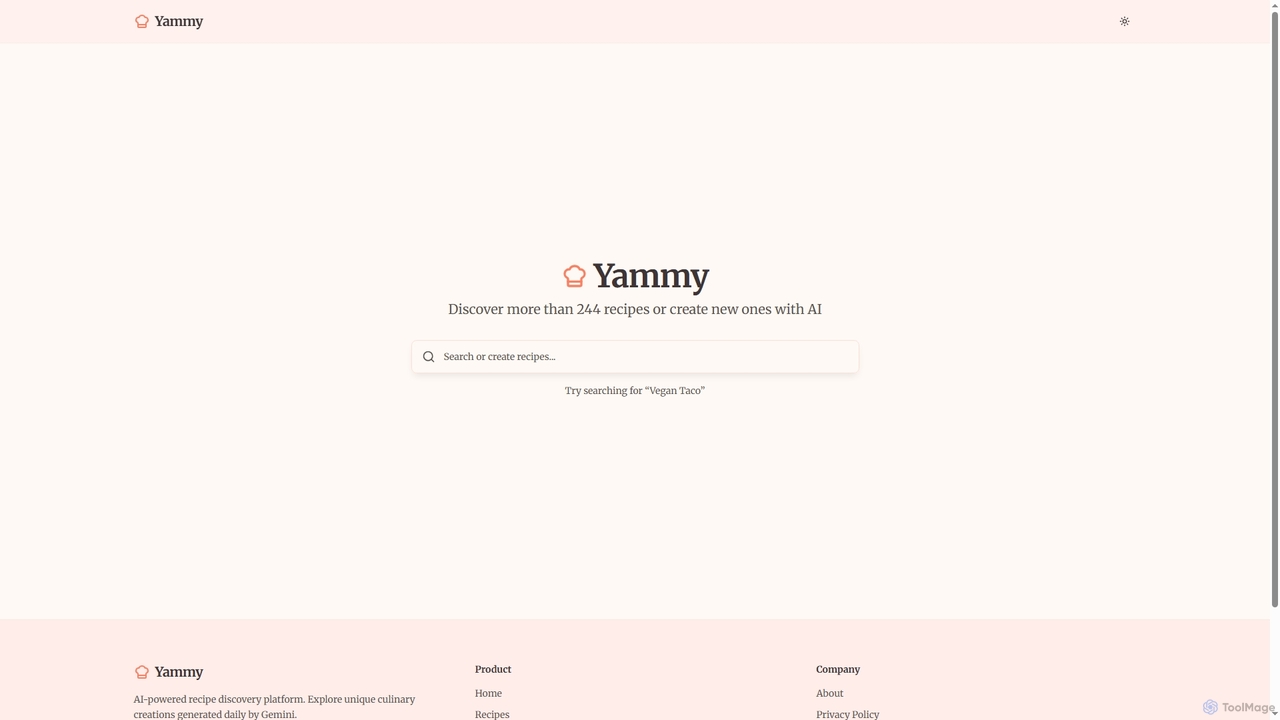
Yammy is an AI-powered recipe discovery and generation platform leveraging Google Gemini to help users find and create …
Yammy is an AI-powered recipe discovery and generation platform leveraging Google Gemini to help users find and create unique culinary creations. It offers a vast, growing collection of AI-generated recipes and allows for tailored searches based on tastes or specific ingredients, making cooking accessible and fun for everyone.
Larna
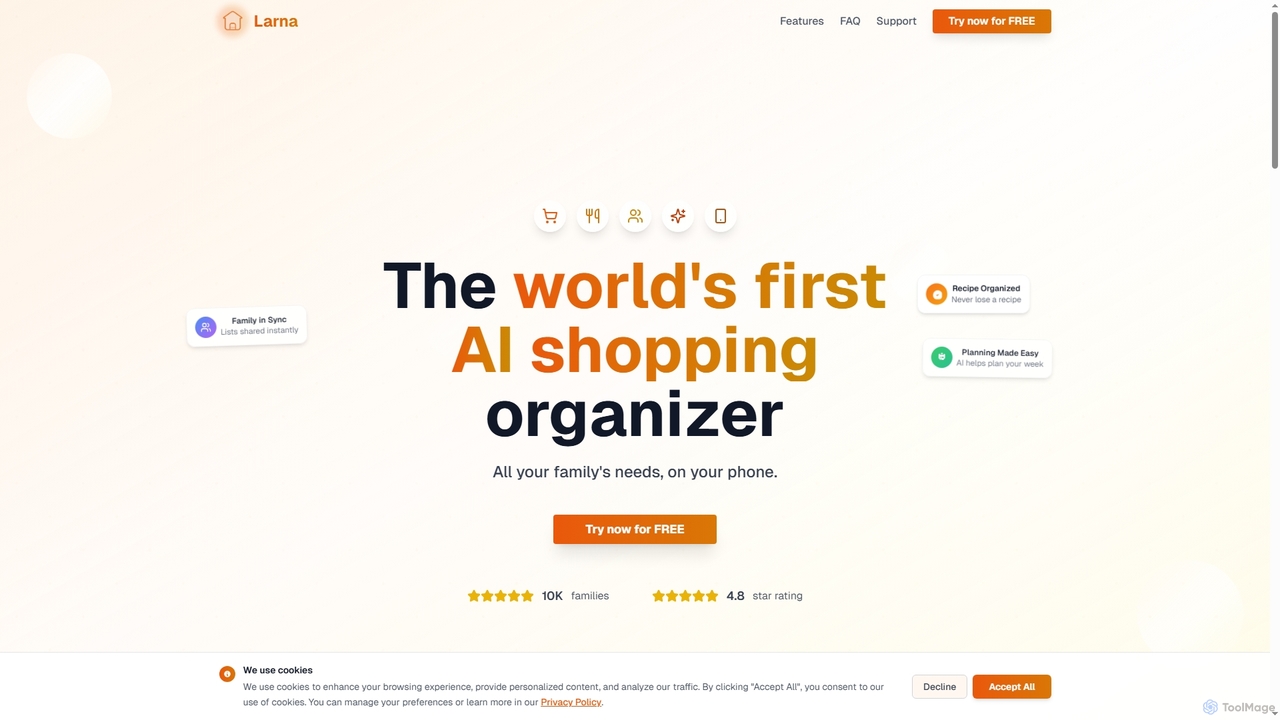
Larna is an AI-powered household manager designed to simplify family organization. It centralizes meal planning, recipe management, and …
Larna is an AI-powered household manager designed to simplify family organization. It centralizes meal planning, recipe management, and smart grocery lists, helping families stay in sync, save time, reduce waste, and eat better. Experience effortless home management with personalized AI assistance.
UPLOAD.food
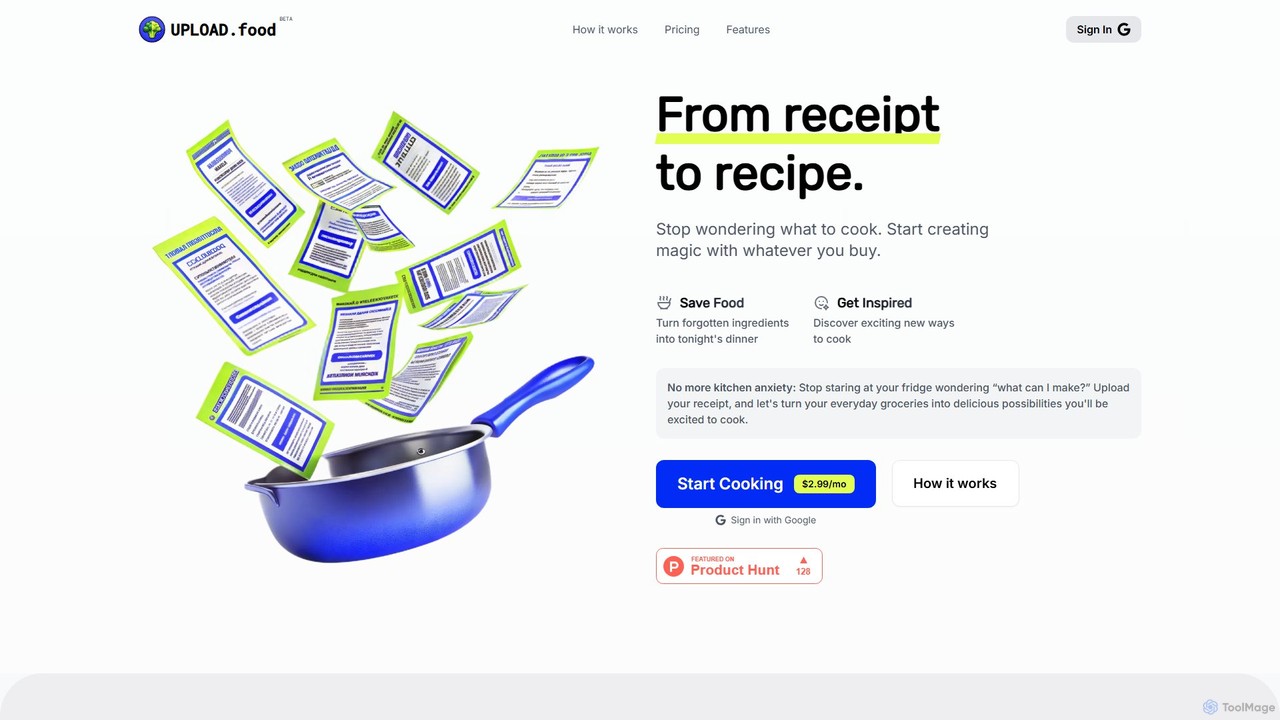
UPLOAD.food is an AI-powered recipe generator that transforms your grocery receipts into delicious, personalized meal plans. Simply upload …
UPLOAD.food is an AI-powered recipe generator that transforms your grocery receipts into delicious, personalized meal plans. Simply upload a photo of your receipt, and the AI creates recipes based on the ingredients you own, helping you reduce food waste, save money, and eliminate kitchen anxiety.
About Meal Planning
Meal Planning AI tools are intelligent platforms that automate and personalize the process of organizing meals. Leveraging artificial intelligence, these tools analyze dietary needs, preferences, and available ingredients to generate customized recipes, shopping lists, and cooking schedules. They empower users to maintain healthier eating habits, manage food budgets efficiently, and reduce food waste. These AI solutions offer a streamlined approach to daily nutrition management, adapting to evolving user data.
Core Features
- Personalized Recipe Generation: Creates recipes tailored to dietary restrictions, allergies, nutritional goals (e.g., high protein, low carb), and taste preferences.
- Automated Shopping List Creation: Generates comprehensive shopping lists based on planned meals, often categorizing items by grocery aisle.
- Nutritional Analysis & Tracking: Provides detailed breakdowns of calories, macronutrients, and micronutrients for planned meals, helping users meet health targets.
- Ingredient Optimization: Suggests recipes using existing pantry items to minimize waste and optimize grocery spending.
- Dynamic Schedule Integration: Organizes meal prep and cooking times into a user's calendar, adapting to their daily routine.
Use Cases
Individuals seeking to manage specific health conditions like diabetes or celiac disease benefit from precise dietary adherence. Busy professionals can save time by automating weekly meal prep, ensuring balanced nutrition without extensive planning. Families can use these tools to cater to diverse tastes and dietary needs while staying within budget.
How to Choose
When selecting an AI meal planning tool, consider its customization depth for dietary needs and preferences, the breadth and quality of its recipe database, and its integration capabilities with smart kitchen devices or grocery delivery services. Evaluate the user interface for ease of use and the accuracy of its nutritional data. Finally, assess the pricing model and the level of customer support offered.
Meal PlanningUse Cases
Optimizing Nutrition for Fitness Goals
Athletes and fitness enthusiasts can use AI meal planners to design diets that align with their training regimens, whether it's muscle gain, fat loss, or endurance. The tool analyzes their activity levels and body metrics to suggest high-protein, balanced carbohydrate, or specific macro-ratio meals, automatically generating weekly plans and shopping lists to support peak performance and recovery.
Managing Dietary Restrictions and Allergies
Individuals with allergies (e.g., gluten, dairy, nuts) or specific dietary restrictions (e.g., vegan, keto, low-FODMAP) can leverage AI meal planners to filter out unsuitable ingredients and suggest safe, delicious alternatives. The tool ensures all generated recipes comply strictly with their health requirements, preventing accidental consumption of allergens and simplifying complex dietary management.
Reducing Food Waste and Budgeting Groceries
Households aiming to minimize food waste and control grocery spending can input their current pantry inventory into an AI meal planner. The tool then suggests recipes primarily using available ingredients, reducing the need for new purchases. It also optimizes shopping lists to buy only what's needed, preventing spoilage and significantly cutting down on grocery expenses.
Streamlining Weekly Family Meal Preparation
Busy parents can utilize AI meal planning tools to organize diverse family meals for the entire week. The AI considers individual preferences, kid-friendly options, and varying dietary needs within the household. It generates a cohesive meal schedule, complete with prep times and a consolidated shopping list, transforming chaotic meal times into an organized, stress-free routine.
Personalized Meal Plans for Chronic Health Conditions
Patients managing chronic conditions like diabetes, hypertension, or kidney disease require precise dietary control. AI meal planners can be configured with specific medical guidelines to create therapeutic meal plans. They monitor nutrient intake, suggest low-sodium or low-sugar recipes, and help users adhere to doctor-recommended diets, acting as a crucial support system for health management.
Exploring New Cuisines and Culinary Skills
For adventurous home cooks or those looking to expand their culinary repertoire, AI meal planners can introduce a variety of global cuisines and cooking techniques. Users can specify a desired cuisine or ingredient, and the AI will generate unique recipes, often with step-by-step instructions, encouraging experimentation and skill development in the kitchen.