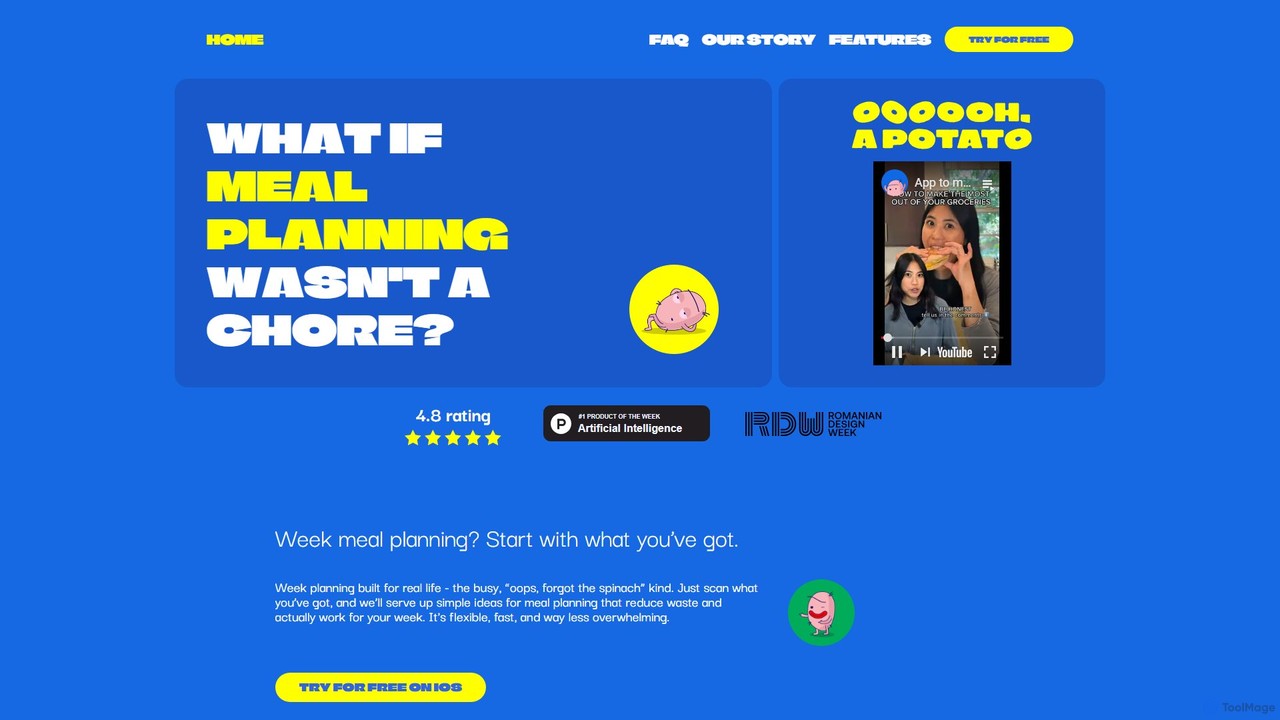
Recipe Management AI tools are specialized platforms that leverage artificial intelligence to streamline the creation, organization, optimization, and scaling of culinary recipes. These tools utilize advanced algorithms to analyze ingredients, nutritional data, cost implications, and user preferences, offering intelligent suggestions and automating various aspects of recipe development. They empower chefs, food businesses, and home cooks to enhance efficiency, consistency, and creativity in their culinary processes, transforming traditional recipe handling into a data-driven and intelligent workflow.
Core Features
- AI-Powered Ingredient Analysis: Automatically assesses nutritional values, allergens, and cost per ingredient for comprehensive recipe insights.
- Automated Recipe Generation: Suggests new recipe variations or creates recipes based on specific dietary needs, available ingredients, or desired flavor profiles.
- Yield Scaling & Conversion: Intelligently adjusts ingredient quantities for different serving sizes or production volumes, maintaining ingredient ratios.
- Cost Optimization & Inventory Integration: Analyzes ingredient costs to optimize recipe profitability and integrates with inventory systems for real-time stock management.
- Dietary & Allergen Compliance: Flags potential allergens and ensures recipes adhere to specific dietary restrictions (e.g., vegan, gluten-free, low-carb).
Applicable Scenarios
Food service businesses can use these tools to standardize menu items across multiple locations, ensuring consistent quality and cost control. Home cooks can leverage AI to discover new recipes tailored to their pantry contents and dietary goals. Product developers in the food industry can rapidly iterate on new formulations, optimizing for taste, nutrition, and cost.
How to Choose
When selecting an AI recipe management tool, consider its core AI capabilities, such as the sophistication of its ingredient analysis and recipe generation algorithms. Evaluate its integration potential with existing kitchen management, inventory, or e-commerce platforms. Assess the user interface for ease of use and the flexibility of its customization options for specific dietary or business needs. Finally, compare pricing models and the level of customer support offered.