ToolMage
Sign in

Best 1 Recipe Analysis AI tools for Food & Drink

Popular Recipe Analysis AI tools in Food & Drink include MealByMeal, helping you work more efficiently.

MealByMeal
Freemium

MealByMeal

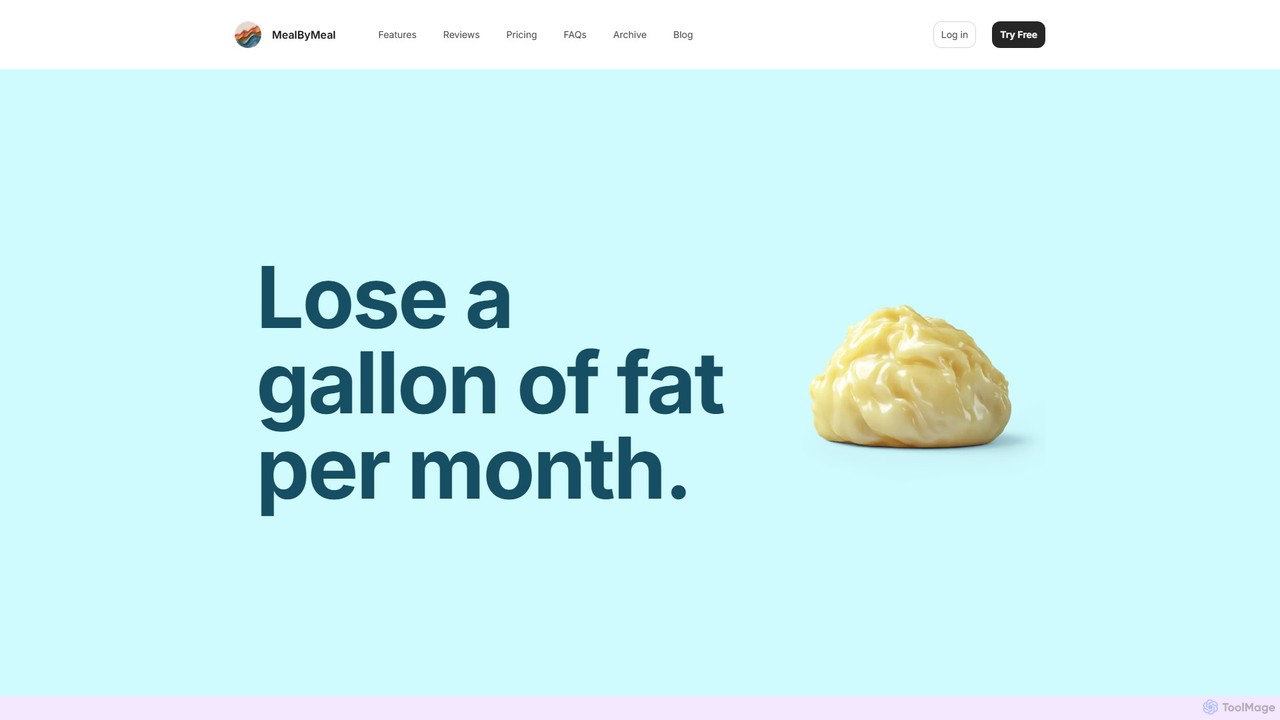
MealByMeal is an AI-powered nutrition tracker that simplifies calorie and macro logging through text messages. Ditch complex apps and log your meals in seconds using SMS or voice-to-text. It features a comprehensive food database, AI-driven estimations for restaurant meals, and a web dashboard to track your progress. It also offers a free recipe calorie calculator for anyone to analyze their meals.

Recipe Analysis
Visits 5.8KFavorites 127Likes 134

About Recipe Analysis

Recipe Analysis tools are AI-powered platforms designed to meticulously deconstruct and evaluate food recipes. Leveraging advanced algorithms, these tools analyze ingredients, nutritional values, potential allergens, and cost implications. They provide critical insights for food professionals, dietitians, and health-conscious individuals, enabling informed decisions in menu development, dietary planning, and product formulation.

Core Features

  • Nutritional Breakdown: Provides detailed analysis of calories, macronutrients, vitamins, and minerals per serving.
  • Allergen Identification: Automatically flags common allergens like gluten, dairy, nuts, and soy based on ingredient lists.
  • Dietary Compliance Check: Verifies if a recipe adheres to specific dietary requirements such as vegan, keto, or low-carb.
  • Cost Estimation: Calculates ingredient costs to help optimize recipe profitability or manage budgets.
  • Ingredient Substitution Suggestions: Recommends alternative ingredients for dietary needs, availability, or flavor profiles.

Applicable Scenarios

These tools are essential for food product developers ensuring safety and compliance, restaurant chefs optimizing menu costs, and dietitians creating personalized meal plans. They also assist health-conscious home cooks in managing their nutritional intake effectively.

How to Choose

When selecting a Recipe Analysis tool, consider the accuracy and comprehensiveness of its nutritional database, the breadth of its allergen and dietary compliance checks, ease of ingredient input (e.g., text, image), integration capabilities with other platforms, and the overall pricing structure.

Recipe Analysis use cases

1

Optimizing Restaurant Menu Profitability

Restaurant owners and chefs can utilize Recipe Analysis tools to meticulously evaluate the cost of each dish on their menu. By inputting ingredient quantities and prices, the AI calculates the precise cost per serving, allowing for strategic pricing adjustments, identification of high-cost ingredients, and exploration of more economical alternatives without compromising quality. This ensures maximum profitability while maintaining customer satisfaction.

2

Developing Allergen-Safe Food Products

Food manufacturers and product developers rely on Recipe Analysis to ensure their new products are safe for consumers with allergies. The tools automatically scan ingredient lists for common allergens like gluten, dairy, nuts, and soy, providing immediate alerts and helping to reformulate recipes to meet specific allergen-free claims. This minimizes health risks and aids in regulatory compliance.

3

Personalized Dietary Planning for Clients

Dietitians and nutrition coaches use Recipe Analysis to create highly personalized meal plans for their clients. By analyzing client dietary restrictions (e.g., vegan, keto, low-sodium) and health goals, the tools can evaluate existing recipes or suggest modifications to align with these requirements. This streamlines the creation of effective and compliant dietary programs, improving client outcomes.

4

Streamlining Home Meal Prep for Health Goals

Health-conscious individuals and home cooks leverage Recipe Analysis to manage their daily nutritional intake. They can input their favorite recipes to get instant breakdowns of calories, macros, and micronutrients, ensuring meals align with fitness or weight management goals. The tools also help identify nutrient gaps or excesses, making meal planning more efficient and effective.

5

Formulating Specialized Pet Food Diets

Pet food manufacturers and veterinary nutritionists employ Recipe Analysis to develop balanced and species-appropriate diets for animals. These tools help analyze the nutritional composition of pet food formulas, ensuring they meet specific dietary guidelines for different breeds, ages, and health conditions. This supports the creation of high-quality, safe, and effective pet nutrition products.

6

Academic Research in Food Science

Researchers in food science and public health utilize Recipe Analysis for large-scale dietary studies and food composition research. The tools can process vast datasets of recipes, extracting nutritional information, identifying dietary trends, and assessing the impact of food choices on population health. This facilitates data-driven insights for scientific publications and policy recommendations.

Recipe Analysis FAQ

What are Recipe Analysis tools?

Recipe Analysis tools are AI-driven software solutions that evaluate food recipes to extract detailed information about their composition. They typically analyze nutritional content (calories, macros, micros), identify potential allergens, estimate costs, and check for compliance with various dietary restrictions. These tools are invaluable for anyone involved in food preparation, from home cooks to large-scale food manufacturers.

How do AI Recipe Analysis tools work?

AI Recipe Analysis tools typically work by processing recipe text or ingredient lists using natural language processing (NLP) and machine learning. They match ingredients against extensive nutritional databases, apply algorithms to calculate values based on quantities, and use rule-based systems to identify allergens or dietary compliance. Some advanced tools can even infer cooking methods' impact on nutrition.

What are the key benefits of using Recipe Analysis tools?

The primary benefits include enhanced accuracy in nutritional labeling, improved dietary planning for specific health goals, efficient allergen management to ensure food safety, and optimized cost control for food businesses. They save significant time compared to manual calculations and provide consistent, reliable data for informed decision-making in food-related fields.

How do Recipe Analysis tools differ from general Food & Drink apps?

While general Food & Drink apps might offer recipe browsing or meal logging, Recipe Analysis tools focus specifically on the deep, scientific breakdown of a recipe's components. They go beyond simple tracking to provide detailed nutritional profiles, allergen alerts, and cost analyses, which are crucial for professional food development, dietary management, and regulatory compliance, unlike broader consumer-focused apps.

What factors should I consider when choosing a Recipe Analysis tool?

When selecting a Recipe Analysis tool, consider the accuracy and comprehensiveness of its nutritional database, its ability to identify a wide range of allergens and dietary restrictions, the ease of inputting recipes (e.g., text, URL, image scan), reporting capabilities, integration options with other software, and the pricing model. User interface and customer support are also important for a smooth experience.