BeanBook
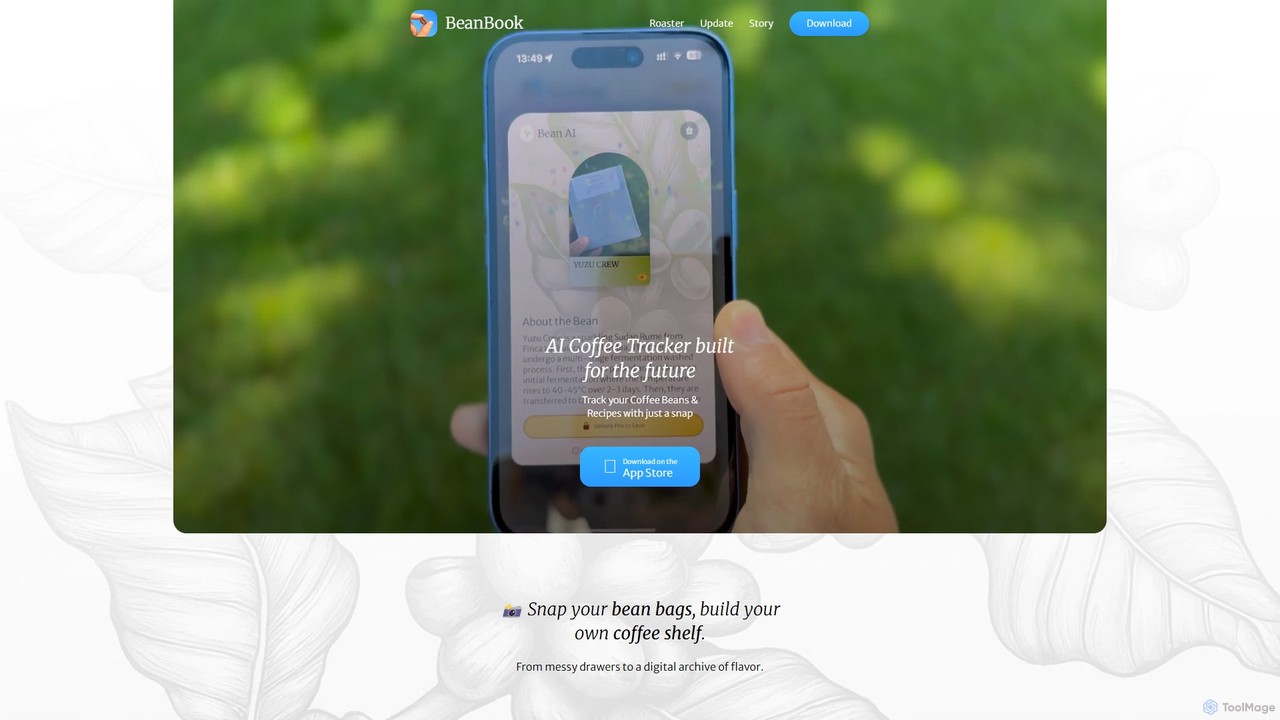
BeanBook is an AI-powered coffee tracker and notebook designed for specialty coffee enthusiasts. Effortlessly log your coffee beans …
BeanBook is an AI-powered coffee tracker and notebook designed for specialty coffee enthusiasts. Effortlessly log your coffee beans with a photo, instantly convert online content into step-by-step brew guides, and track your brewing journey with detailed notes. The app provides AI-driven insights and a "Year in Review" feature, creating a digital archive of every cup. It's the ultimate companion for exploring the world of coffee.
About Coffee
AI Coffee tools are specialized applications using artificial intelligence to elevate every aspect of the coffee experience. These tools leverage machine learning models trained on vast datasets of bean varieties, flavor profiles, brewing methods, and roasting data. They provide users, from home enthusiasts to professional roasters, with data-driven insights for creating recipes, optimizing brewing techniques, and analyzing flavors. This technology transforms subjective taste into actionable data, enabling greater precision and creativity in coffee preparation.
Core Features
- Recipe Generation: Creates unique coffee drink recipes based on user-specified ingredients, flavor preferences, and brewing equipment.
- Brewing Guidance: Offers step-by-step, optimized instructions for various brewing methods like V60, AeroPress, and espresso.
- Flavor Profile Analysis: Interprets tasting notes to identify key characteristics, suggest bean origins, or recommend similar coffees.
- Roast Profile Optimization: Assists coffee roasters by analyzing data to suggest ideal time and temperature curves for specific beans.
- Blend Creation Support: Predicts the flavor outcome of combining different beans, helping roasters design new, balanced blends.
Use Cases
These tools are valuable for home brewers seeking to perfect their technique, baristas aiming to create innovative seasonal menus, and coffee roasters developing new products. For example, a cafe owner can use an AI tool to ensure shot consistency across different baristas, while a roastery can accelerate its research and development process for new blends.
How to Choose
When selecting an AI Coffee tool, consider your primary goal: are you a consumer focused on brewing or a professional needing roasting and blending features? Evaluate the depth and quality of its database of beans and recipes. Also, assess the user interface for ease of use and the specificity of its analytical capabilities, such as whether it supports your preferred brewing equipment or analysis needs.

CoffeeUse Cases
Personalized Morning Coffee Recipe Generation
A home coffee enthusiast wants to break their routine. They use an AI tool, inputting preferences like 'iced latte,' 'oat milk,' 'low acidity,' and 'caramel notes.' The AI processes these inputs and generates a detailed, unique recipe, including precise measurements for coffee, milk, and syrup, along with step-by-step instructions for preparation. This allows the user to discover new flavor combinations tailored to their taste without extensive trial and error, elevating their daily coffee ritual.
Optimizing Espresso Extraction for a Cafe
A professional barista needs to dial in a new single-origin espresso bean for consistent quality. They input the bean's origin, roast date, and desired flavor profile (e.g., 'balanced, sweet, fruity') into an AI tool. The application suggests a starting point for grind size, dose weight, and extraction time. As the barista pulls shots and inputs feedback on taste, the AI refines its recommendations, helping them quickly find the optimal parameters. This reduces coffee waste and ensures every customer gets a high-quality espresso.
Developing a New Signature Coffee Blend
A coffee roaster aims to create a new blend for the winter season. They use an AI tool to explore combinations. They input the flavor profiles of three available single-origin beans (e.g., a chocolatey Brazilian, a fruity Ethiopian, and a spicy Sumatran). The AI simulates different blend ratios and predicts the resulting flavor notes, acidity, and body. It might suggest a 60/30/10 ratio to achieve a 'rich, spiced chocolate' profile. This data-driven approach accelerates the creative process, saving time and green coffee beans during experimentation.
AI-Powered Coffee and Food Pairing Suggestions
A high-end restaurant wants to enhance its dessert menu with coffee pairings. The chef inputs the key ingredients and flavor profile of a dessert, such as a 'lemon tart with meringue.' An AI coffee tool analyzes these inputs and recommends a specific coffee. It might suggest a washed Ethiopian coffee, brewed with a V60, explaining that its bright acidity and floral notes will complement the citrus in the tart without overpowering it. This provides a sophisticated, data-backed service that elevates the customer experience.
Generating Marketing Copy for a New Coffee Product
A coffee brand is launching a new single-origin bean from Colombia. The marketing team inputs key details into an AI tool: 'Colombia,' 'Washed Process,' 'Medium Roast,' and tasting notes like 'milk chocolate, orange, nutty.' The AI generates compelling marketing copy for different platforms. For packaging, it creates a detailed flavor description. For social media, it produces a short, engaging post highlighting the 'bright citrus and smooth chocolate' notes. This automates content creation, ensuring consistent and appealing messaging across all channels.
Interactive Brewing Guides for Beginners
A novice home brewer is intimidated by the V60 pour-over method. They use an AI coffee app that provides an interactive guide. The user inputs their specific coffee bean and grinder. The AI then generates a customized recipe with a precise grind size suggestion and a step-by-step visual timer for each pour (bloom, second pour, etc.). The guide adapts in real-time, making a complex brewing method accessible and repeatable. This helps beginners build confidence and understand the key variables affecting their brew's final taste.