ToolMage
Sign in

Best 2 Home AI tools for Lifestyle

Popular Home AI tools in Lifestyle include myplantin and PartyPilotAI, helping you work more efficiently.

PartyPilotAI
Freemium

PartyPilotAI

PartyPilotAI is an AI-powered party planner that transforms any space into a dream celebration venue in just 30 seconds. Simply upload photos of your space, describe your vision, and instantly receive photorealistic designs, floor plans, and a complete shopping list.

Interior Design
Visits 9.4KFavorites 142Likes 132
myplantin
Freemium

myplantin

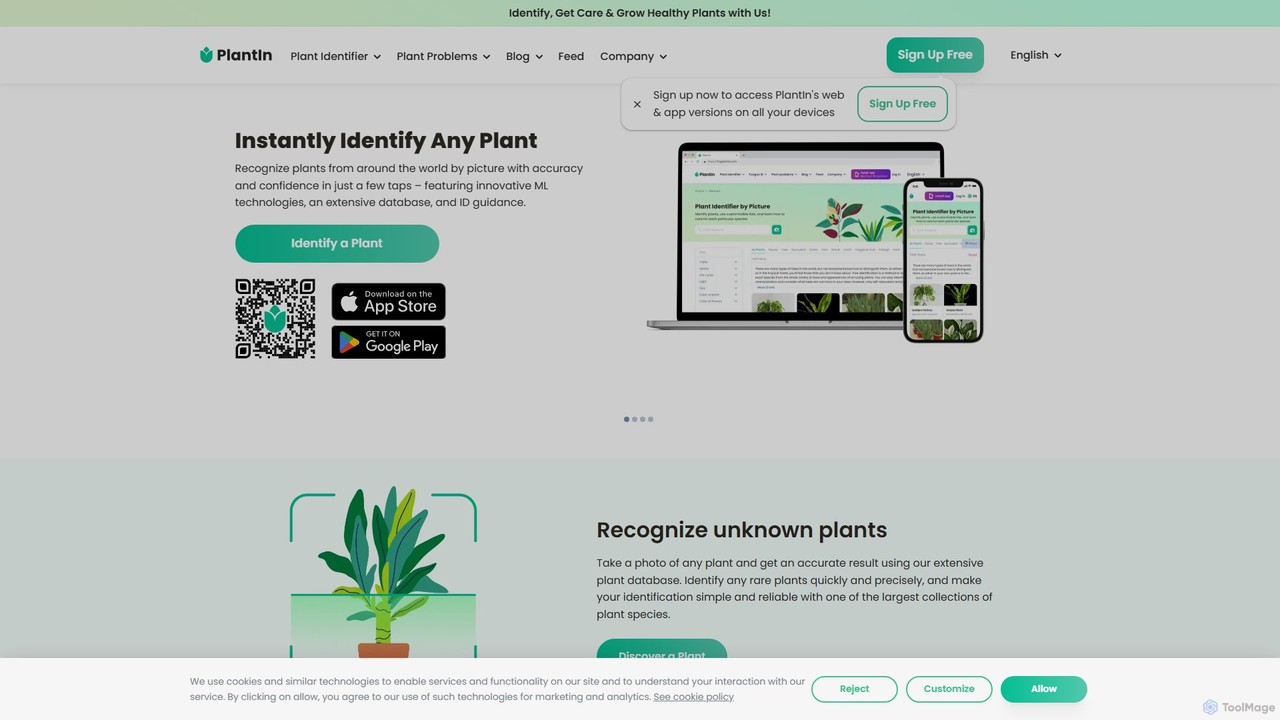
PlantIn is an AI-powered virtual gardening companion that helps you identify plants and mushrooms, diagnose diseases, and receive personalized care plans. With a 95.8% accuracy rate, access to real botanists, and a suite of care tools, it simplifies gardening for enthusiasts of all levels.

Gardening
Visits 1.3MFavorites 143Likes 131

About Home

Home AI tools are a category of artificial intelligence applications specifically designed to enhance and automate various aspects of daily life within a personal living space. These intelligent solutions leverage machine learning, natural language processing, and smart device integration to simplify household tasks, improve comfort, and provide personalized assistance. They aim to transform traditional homes into intelligent, responsive environments, offering unparalleled convenience and efficiency as a core component of modern lifestyle enhancement, moving beyond basic automation to truly understand and anticipate user needs.

Core Features

  • Smart Device Integration & Centralized Control: Seamlessly connects and manages a wide array of smart home devices, including lighting, thermostats, security cameras, and entertainment systems, often through a single interface.
  • Personalized Automation & Routine Management: Learns individual user habits and preferences over time to automatically adjust environmental settings, manage schedules, and trigger actions like playing specific music or preparing coffee.
  • Intelligent Task & Household Management: Assists with organizing daily chores, setting reminders for appointments, generating smart grocery lists based on pantry inventory, and managing family calendars.
  • Enhanced Home Security & Monitoring: Utilizes advanced AI for real-time anomaly detection in surveillance feeds, smart lock management, and proactive alerts for unusual activities or potential threats.
  • Energy Efficiency Optimization & Cost Savings: Monitors and intelligently adjusts the energy consumption of various appliances and climate control systems, learning usage patterns to reduce utility costs and environmental impact.

Applicable Scenarios

Home AI tools are invaluable for busy professionals seeking to streamline daily routines and automate mundane household chores, freeing up valuable time. They are also ideal for families needing centralized coordination for complex schedules, shared tasks, and educational activities. Furthermore, homeowners can leverage these tools to optimize energy usage, enhance security systems with intelligent monitoring, or explore virtual interior design options for renovations. Essentially, anyone looking to create a more intelligent, efficient, and comfortable living environment will find significant value.

How to Choose

When selecting Home AI tools, it is crucial to consider their compatibility with your existing smart home ecosystem, such as Google Home, Apple HomeKit, or Amazon Alexa, and the breadth of devices they support. Evaluate the depth of personalization and automation options offered, focusing on features that directly address your specific household needs, from climate control to security. Prioritize tools with robust data privacy and security protocols, ensuring your personal information and home data are protected. Finally, assess their ease of setup, user interface intuitiveness, and ongoing support for a truly seamless and beneficial experience.


Home use cases

1

Automating Daily Household Routines

For individuals with demanding schedules, Home AI tools can automate morning and evening routines. For example, an AI assistant can be programmed to gradually turn on lights, adjust the thermostat to a comfortable temperature, and play a personalized news briefing or music as you wake up. In the evening, it can secure doors, dim lights, and activate sleep-friendly settings, significantly reducing manual tasks and ensuring a smooth transition between daily activities.

2

Personalized Meal Planning and Grocery Management

Families or individuals looking to streamline meal preparation can utilize Home AI tools for personalized meal planning. An AI system can learn dietary preferences, allergies, and past meal choices to suggest new recipes. It can then automatically generate a comprehensive grocery list, cross-referencing with smart pantry inventory, and even suggest optimal shopping times or delivery services, simplifying the entire food management process.

3

Enhanced Home Security and Proactive Monitoring

Homeowners concerned about security can deploy AI-powered surveillance systems. These tools use advanced computer vision to differentiate between pets, known individuals, and potential intruders, reducing false alarms. They can send real-time alerts to your smartphone for suspicious activity, integrate with smart locks to grant remote access, and even learn patterns of activity to identify unusual events, providing peace of mind.

4

Optimizing Energy Consumption for Cost Savings

Environmentally conscious homeowners or those looking to reduce utility bills can benefit from AI-driven energy management. Smart thermostats, for instance, learn occupancy patterns and preferred temperatures, automatically adjusting heating and cooling to maximize efficiency. AI can also monitor appliance usage, identify energy-wasting habits, and suggest optimizations, leading to significant savings and a reduced carbon footprint without sacrificing comfort.

5

Centralized Family Schedule and Task Coordination

For busy families, Home AI tools offer a centralized platform for managing complex schedules. An AI assistant can integrate multiple family members' calendars, remind everyone of appointments, school events, and extracurricular activities. It can also assign and track household chores, send gentle nudges for completion, and facilitate communication, ensuring everyone stays organized and on track with shared responsibilities.

6

Virtual Interior Design and Renovation Planning

Individuals planning home renovations or redecorating can leverage Home AI tools for virtual interior design. These applications allow users to upload floor plans or room photos and then experiment with different furniture layouts, color schemes, and decor styles in a virtual environment. AI can offer design suggestions based on current trends, personal preferences, and spatial constraints, helping visualize changes before making costly decisions.

Home FAQ

What are Home AI tools and how do they fit into a lifestyle?

Home AI tools are artificial intelligence applications designed to automate, personalize, and enhance various aspects of daily life within your living space. They integrate smart devices and learn user behaviors to simplify tasks like climate control, security, and household management. As part of a broader lifestyle, they contribute to a more convenient, efficient, and comfortable home environment, freeing up time for other pursuits and improving overall well-being.

How do Home AI tools enhance daily life and improve efficiency?

Home AI tools enhance daily life by automating repetitive tasks, providing personalized assistance, and offering intelligent insights. For example, they can automatically adjust lighting and temperature, manage grocery lists based on consumption, and monitor home security proactively. This automation reduces manual effort, saves time, and optimizes resource usage, leading to a more efficient household and a higher quality of life by allowing users to focus on more meaningful activities.

What key factors should I consider when choosing Home AI tools for my household?

When selecting Home AI tools, prioritize compatibility with your existing smart home ecosystem (e.g., voice assistants, smart hubs) to ensure seamless integration. Evaluate the specific features offered, such as advanced automation, security monitoring, or energy management, to match your household's unique needs. Consider data privacy and security protocols, as these tools handle sensitive home information. Finally, assess the ease of setup, user-friendliness of the interface, and the availability of customer support for a smooth experience.

Are Home AI tools secure, and how do they protect my privacy?

The security and privacy of Home AI tools are critical considerations. Reputable tools employ robust encryption for data transmission and storage, multi-factor authentication for access, and regular security updates to protect against vulnerabilities. For privacy, they typically offer granular control over data collection and sharing, allowing users to manage what information is processed. It's essential to choose trusted brands and review their privacy policies to understand how your data is handled and protected.

What is the difference between general AI assistants and specialized Home AI tools?

General AI assistants, like Siri or Google Assistant, are broad-purpose tools that can perform a wide range of tasks, from answering questions to setting reminders, across various devices. Specialized Home AI tools, while often integrating with general assistants, are specifically designed and optimized for the home environment. Their focus is on deep integration with smart home devices, advanced automation of household routines, and intelligent management of home-specific tasks like energy optimization or security monitoring, offering more tailored and comprehensive home-centric functionalities.