ToolMage
Sign in

Best 1 Gardening AI tools for Education

Popular Gardening AI tools in Education include myplantin, helping you work more efficiently.

myplantin
Freemium

myplantin

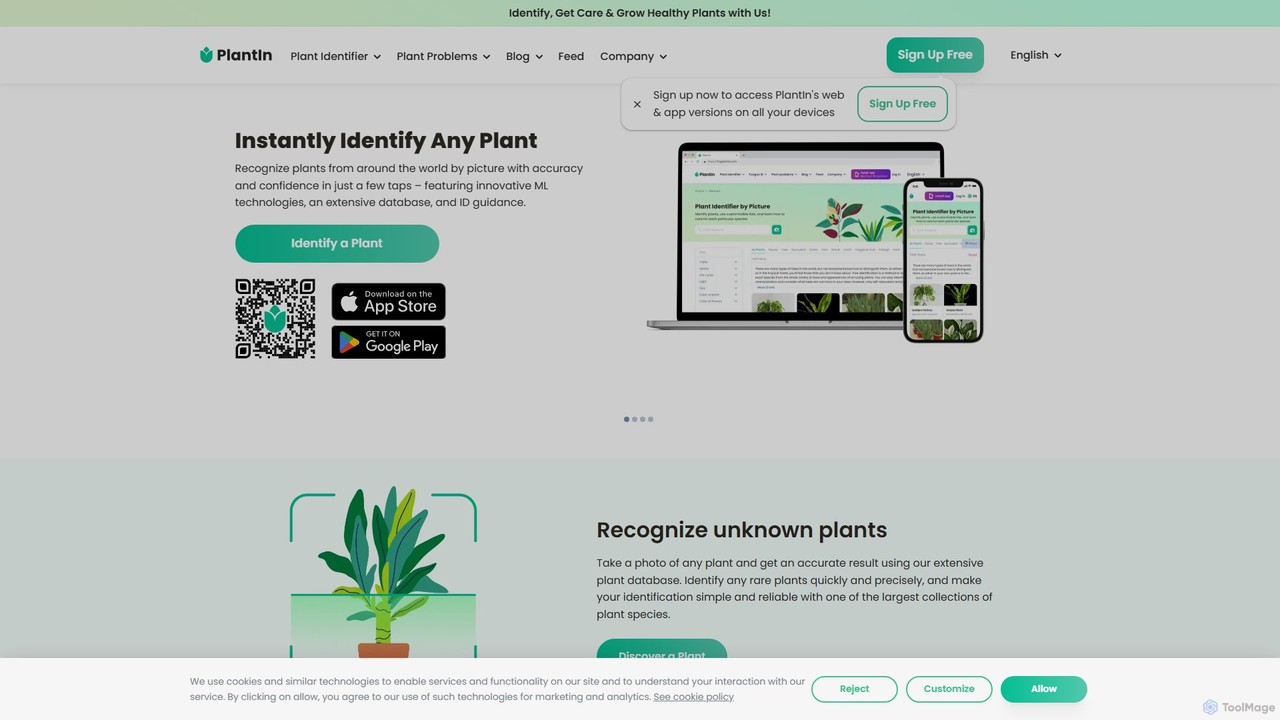
PlantIn is an AI-powered virtual gardening companion that helps you identify plants and mushrooms, diagnose diseases, and receive personalized care plans. With a 95.8% accuracy rate, access to real botanists, and a suite of care tools, it simplifies gardening for enthusiasts of all levels.

Gardening
Visits 1.3MFavorites 142Likes 131

About Gardening

Gardening AI tools are a specialized category of AI-powered applications designed to assist individuals and professionals in various aspects of horticulture and plant care. Leveraging artificial intelligence, these tools offer intelligent insights, personalized recommendations, and automated assistance for tasks ranging from plant identification to disease diagnosis and garden planning. They fall under the broader category of Education AI tools by providing interactive learning and practical guidance, making gardening more accessible, efficient, and enjoyable for enthusiasts of all skill levels.

Core Features

  • Plant Identification: Accurately identify plant species, flowers, trees, and even weeds from photos, providing detailed information about each.
  • Disease & Pest Diagnosis: Analyze images of ailing plants to identify potential diseases, nutrient deficiencies, or pest infestations, offering targeted solutions.
  • Personalized Care Schedules: Generate customized watering, fertilizing, and pruning schedules based on plant type, local climate, and soil conditions.
  • Garden Design & Planning: Assist in visualizing garden layouts, suggesting compatible plant pairings, and optimizing space utilization for various environments.
  • Environmental Monitoring Integration: Connect with smart sensors to provide real-time data on soil moisture, temperature, and light, offering actionable advice.

Use Cases

These tools are invaluable for urban gardeners optimizing small spaces, beginners seeking guidance on plant care, and experienced horticulturists diagnosing complex plant issues. They also serve educational institutions for botany studies and commercial growers for optimizing crop health and yield. From balcony gardens to large-scale farms, AI gardening tools enhance decision-making and streamline maintenance.

How to Choose

When selecting an AI gardening tool, consider the accuracy and breadth of its plant database, its diagnostic capabilities, and the level of personalization offered for care recommendations. Evaluate its ease of use, integration with smart home or garden devices, and the quality of its educational content. Look for tools that provide clear, actionable advice and support your specific gardening goals, whether for learning, planning, or problem-solving.

Gardening use cases

1

Identifying Unknown Plants and Weeds

A novice gardener encounters an unfamiliar plant in their garden or a persistent weed. Using an AI gardening app, they upload a photo of the plant. The AI instantly identifies the species, provides information on its characteristics, care requirements, or effective removal methods if it's a weed, saving hours of manual research and preventing potential harm to desired plants.

2

Diagnosing Plant Diseases and Pests

An experienced gardener notices yellowing leaves and spots on their favorite rose bush. They take a picture and upload it to an AI gardening tool. The AI analyzes the symptoms, identifies a common fungal infection, and recommends specific organic fungicides and preventative measures, helping the gardener quickly address the issue and save their plant from further damage.

3

Creating Personalized Plant Care Schedules

An urban dweller with a diverse collection of indoor plants struggles to remember each plant's unique watering and feeding needs. They input their plant collection into an AI gardening app. The tool generates a personalized calendar, sending reminders for watering, fertilizing, and repotting specific plants based on their species, pot size, and the user's local climate, ensuring optimal plant health.

4

Designing and Visualizing a New Garden Layout

A homeowner wants to redesign their backyard but lacks horticultural design expertise. They use an AI gardening tool to upload photos of their yard and specify desired plant types (e.g., drought-tolerant, shade-loving). The AI suggests various garden layouts, visualizes how different plants would look together, and checks for compatibility based on sunlight and soil, streamlining the design process.

5

Optimizing Watering for Smart Gardens

A tech-savvy gardener has a smart garden with soil moisture sensors. They integrate these sensors with an AI gardening platform. The AI continuously monitors soil data, analyzes weather forecasts, and provides precise watering recommendations, or even triggers smart irrigation systems, preventing over or under-watering and conserving water resources while ensuring plant vitality.

6

Learning About Plant Biology and Horticulture

A student studying botany or a curious hobbyist wants to deepen their knowledge of plant science. They use an AI gardening tool's educational features. The AI provides interactive lessons on plant anatomy, photosynthesis, soil science, and advanced horticultural techniques, often with visual aids and quizzes, offering a dynamic and personalized learning experience beyond traditional textbooks.

Gardening FAQ

What are AI Gardening tools?

AI Gardening tools are applications that use artificial intelligence to assist with plant care, garden planning, and horticultural education. They leverage technologies like image recognition for plant identification and disease diagnosis, machine learning for personalized care recommendations, and data analysis for optimizing growing conditions. These tools aim to simplify gardening, improve plant health, and provide accessible learning resources for gardeners of all levels.

How do AI Gardening tools help with plant care?

AI Gardening tools significantly enhance plant care by offering intelligent assistance. They can identify unknown plants from photos, diagnose diseases or pest infestations by analyzing visual symptoms, and provide tailored treatment plans. Furthermore, they generate personalized watering, fertilizing, and pruning schedules based on specific plant needs and environmental factors, helping users maintain healthier plants and prevent common gardening mistakes.

What features should I look for in an AI Gardening tool?

When choosing an AI Gardening tool, prioritize features like accurate plant identification, robust disease and pest diagnosis capabilities, and personalized care reminders. Look for a comprehensive plant database, intuitive garden planning tools, and the ability to integrate with smart garden sensors. Additionally, consider the quality of its educational content, user-friendliness, and whether it supports your specific gardening interests, such as indoor plants, vegetables, or landscaping.

How do AI Gardening tools differ from traditional gardening apps?

Traditional gardening apps often provide static information or basic checklists. In contrast, AI Gardening tools offer dynamic, personalized, and diagnostic capabilities. They use AI to "understand" images, analyze data, and provide context-aware advice, rather than just generic tips. This allows for real-time problem-solving, customized care plans, and interactive learning experiences that go beyond what a standard app or book can offer, making them a specialized subset within the broader Education AI category.

Can AI Gardening tools help with garden design?

Yes, many AI Gardening tools offer advanced features for garden design and planning. They can help users visualize potential layouts by suggesting compatible plant combinations based on factors like sunlight, soil type, and climate. Some tools even allow users to upload photos of their space and generate virtual designs, helping them experiment with different plant arrangements and landscaping ideas before committing to physical changes, thus streamlining the entire design process.