ToolMage
Sign in

Best 2 Housing AI tools for Lifestyle

Popular Housing AI tools in Lifestyle include Sharehouse and RentalBuddy, helping you work more efficiently.

Sharehouse
Freemium

Sharehouse

Sharehouse is an AI-powered platform designed to help users in Australia find compatible housemates and shared accommodation. It utilizes an AI assistant, Sharehouse Finder, to streamline the matching process. The platform offers free listings, robust search filters, ID verification for enhanced security, and premium features to accelerate the search for the perfect home or housemate.

Housing
Visits 11.8KFavorites 147Likes 139
RentalBuddy
Freemium

RentalBuddy

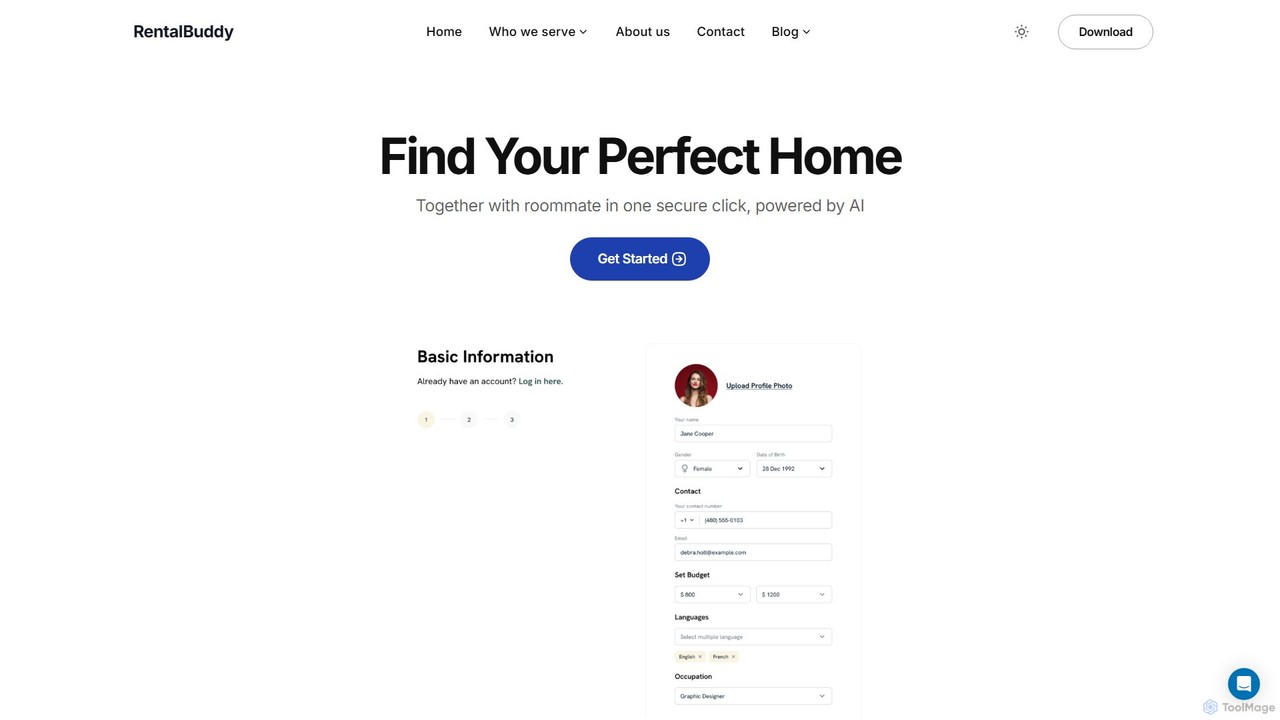
RentalBuddy is an AI-powered platform designed to simplify the rental process. It helps tenants find compatible roommates and ideal homes, while providing landlords and property managers with tools to find verified tenants, schedule tours, and manage leases efficiently and securely.

Housing
Visits 5.9KFavorites 112Likes 109

About Housing

Housing AI tools are specialized applications that leverage artificial intelligence to streamline and enhance various aspects of the residential sector. These tools utilize machine learning, computer vision, and data analytics to offer intelligent solutions for property search, management, design, and maintenance. They empower individuals, real estate professionals, and property managers to make informed decisions, personalize living spaces, and optimize operational efficiencies within the housing ecosystem.

Core Features

  • Intelligent Property Search: AI algorithms analyze user preferences and market data to recommend suitable properties, often including predictive pricing.
  • Virtual Property Tours: Generate interactive 3D models or virtual walkthroughs of properties, enhancing remote viewing experiences.
  • Personalized Interior Design: AI assists in generating design concepts, furniture placement, and decor suggestions based on user style and room dimensions.
  • Predictive Maintenance: Analyze sensor data and historical patterns to forecast potential home maintenance issues, enabling proactive repairs.
  • Market Analysis & Valuation: Provide data-driven insights into property values, market trends, and investment potential.

Applicable Scenarios

Real estate agents use these tools for lead generation and personalized client recommendations. Homebuyers leverage AI for efficient property discovery and virtual viewings. Property managers utilize AI for tenant screening, maintenance scheduling, and optimizing rental yields. Interior designers employ AI for rapid concept generation and client visualization. Homeowners benefit from smart home integration and predictive maintenance alerts.

How to Choose

When selecting Housing AI tools, consider the specific problem you aim to solve, such as property search, design, or management. Evaluate the accuracy of AI models, the breadth of features offered, and integration capabilities with existing platforms. Assess the user interface for ease of use and the level of data privacy and security provided. Finally, compare pricing models and customer support options to ensure long-term value.

Housing use cases

1

Streamline Property Search for Buyers

Homebuyers use AI tools to filter listings based on complex criteria, receive personalized recommendations, and conduct virtual tours, significantly reducing search time and effort. This allows them to quickly narrow down options that truly match their lifestyle and budget, making the property discovery process much more efficient and less overwhelming.

2

Automate Real Estate Market Analysis

Real estate investors and agents leverage AI to analyze vast datasets of property sales, rental trends, and demographic information, predicting future market movements and property valuations. This provides a competitive edge by identifying undervalued properties or emerging investment hotspots, enabling data-driven strategic decisions.

3

Generate Personalized Interior Design Concepts

Homeowners or interior designers input room dimensions and style preferences into AI tools to instantly generate multiple design layouts, furniture arrangements, and decor suggestions. This accelerates the design process, helps visualize potential outcomes, and allows for rapid iteration on concepts before committing to physical changes.

4

Optimize Property Management & Maintenance

Property managers utilize AI for predictive maintenance scheduling, tenant communication automation, and analyzing rental market dynamics to optimize occupancy and revenue. AI can forecast equipment failures, automate responses to common tenant queries, and suggest optimal rental pricing, leading to smoother operations and increased profitability.

5

Create Immersive Virtual Property Showings

Real estate agencies employ AI to transform 2D floor plans into interactive 3D virtual tours, allowing potential buyers to explore properties remotely with a realistic experience. This expands reach to a global audience, saves time for both agents and clients, and provides a more engaging and detailed preview than static images.

6

Enhance Smart Home Energy Efficiency

Homeowners integrate AI-powered smart home systems to learn their habits, automatically adjust lighting, heating, and cooling, and identify energy waste, leading to reduced utility costs. These systems can optimize energy consumption based on occupancy, weather forecasts, and peak utility rates, contributing to a more sustainable and cost-effective living environment.

Housing FAQ

What are Housing AI tools?

Housing AI tools are software applications that use artificial intelligence, such as machine learning and data analytics, to assist with various aspects of the housing sector. They range from intelligent property search and market analysis to personalized interior design and predictive home maintenance, aiming to make housing-related processes more efficient and data-driven.

How do Housing AI tools differ from traditional housing platforms?

Traditional housing platforms primarily offer listings and basic search filters. Housing AI tools, however, go beyond by providing intelligent recommendations, predictive analytics for market trends and property values, virtual reality tours, and personalized design suggestions, leveraging data to offer deeper insights and automation. They offer a more proactive and personalized experience.

Who can benefit most from using Housing AI tools?

A wide range of users can benefit. Homebuyers and renters can find properties more efficiently. Real estate agents and brokers can enhance lead generation and client services. Property managers can optimize operations and maintenance. Interior designers can accelerate concept creation, and homeowners can improve smart home efficiency and maintenance planning.

What are the key features to look for in a Housing AI tool?

When evaluating Housing AI tools, look for features like accurate property valuation and market trend analysis, intuitive virtual tour capabilities, robust personalization for design or recommendations, and effective integration with other platforms. Data security, user-friendliness, and responsive customer support are also crucial considerations to ensure the tool meets your specific needs.

Can Housing AI tools help with home renovation and design?

Yes, many Housing AI tools are specifically designed for home renovation and design. They can generate floor plans, suggest furniture layouts, recommend color palettes, and even visualize how different materials or decor items would look in a space, helping users plan and execute their renovation projects more effectively and confidently before making physical changes.