Spoken
Spoken is an AI-powered price comparison tool for furniture and home decor. It helps you find the lowest …
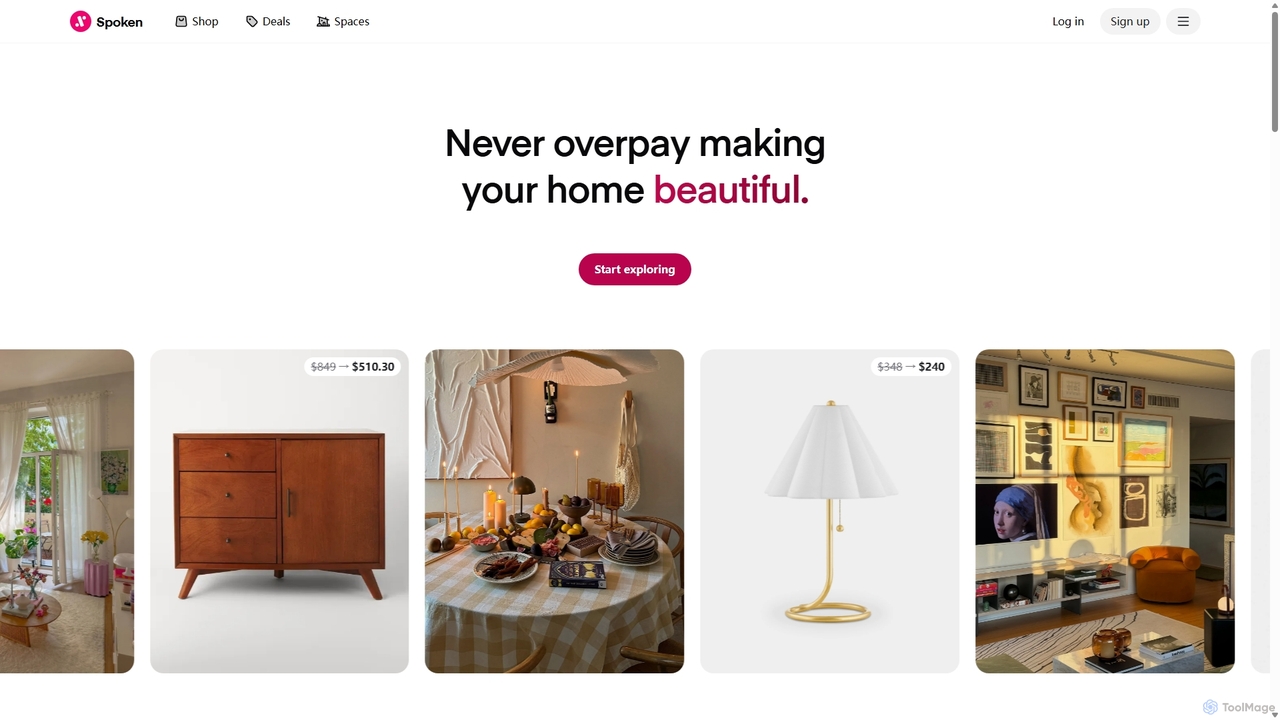
Spoken is an AI-powered price comparison tool for furniture and home decor. It helps you find the lowest price for the same item across hundreds of stores like West Elm, Crate & Barrel, and Wayfair. By identifying white-labeled products, Spoken ensures you never overpay. It also offers design inspiration, price drop alerts, and a browser extension for seamless smart shopping.
About Interior Design
Interior Design AI tools are a category of software that leverages artificial intelligence to assist in the planning, visualization, and execution of interior spaces. These tools utilize advanced algorithms to analyze design preferences, optimize layouts, and generate realistic renderings, significantly streamlining the design process. They empower professional designers, architects, and homeowners to create functional and aesthetically pleasing environments more efficiently, offering intelligent suggestions for furniture, materials, and color schemes. By automating repetitive tasks and providing instant visual feedback, AI interior design solutions enhance creativity and reduce project timelines.
Core Features
- AI-powered Layout Generation: Automatically generates optimized floor plans and furniture arrangements based on room dimensions and user requirements.
- Style & Theme Recommendation: Suggests cohesive design styles, color palettes, and decorative themes tailored to user preferences and current trends.
- 3D Visualization & Rendering: Creates high-fidelity 3D models and photorealistic renderings of interior spaces, allowing for virtual walkthroughs and detailed previews.
- Furniture & Material Suggestion: Recommends specific furniture pieces, finishes, and materials from extensive libraries, often with links to suppliers.
- Lighting & Shadow Simulation: Simulates natural and artificial lighting conditions to assess ambiance and functional illumination within a design.
Use Cases
These tools are invaluable across various sectors. Professional interior designers use them to accelerate concept development and client presentations. Architects integrate AI for preliminary space planning and design validation. Real estate agents and developers employ them for virtual staging of properties, enhancing market appeal. Homeowners find them useful for DIY renovation projects, visualizing changes before committing to physical alterations. Furniture retailers can also leverage these tools to showcase their products in various virtual settings.
How to Choose
When selecting an AI interior design tool, consider its core functionalities, such as 3D rendering quality, layout generation capabilities, and the breadth of its furniture and material libraries. Evaluate the ease of use and user interface, especially for non-design professionals. Compatibility with existing CAD or BIM software is crucial for professional workflows. Also, assess the pricing model, whether subscription-based or one-time purchase, and the level of customer support and community resources available. Finally, check for the accuracy and realism of its AI-driven suggestions and visualizations.

Interior DesignUse Cases
Rapidly Generate Multiple Interior Design Concepts
For professional interior designers, AI tools can drastically cut down the time spent on initial concept development. By inputting room dimensions, desired style, and functional requirements, the AI can generate dozens of unique layout variations, furniture arrangements, and color schemes within minutes. This allows designers to quickly explore diverse options, present a wider range of choices to clients, and iterate on designs much faster than traditional manual methods, leading to more efficient project starts and client satisfaction.
Virtual Home Staging for Real Estate
Real estate agents and property developers can utilize AI interior design tools for virtual home staging. Instead of physically furnishing empty properties, they can upload photos or floor plans and use AI to digitally add furniture, decor, and lighting that match a target aesthetic. This makes properties more appealing to potential buyers, helps them visualize the space's potential, and can significantly reduce marketing costs and time, accelerating sales cycles for both residential and commercial listings.
Personalized Home Renovation Planning for Homeowners
Homeowners planning renovations or redecorating projects can leverage AI tools to visualize their ideas before making any physical changes. They can upload existing room photos or create a basic floor plan, then experiment with different paint colors, flooring types, furniture placements, and decor items. The AI provides instant visual feedback and can suggest complementary elements, helping homeowners make informed decisions, avoid costly mistakes, and achieve their desired aesthetic with confidence.
Optimizing Commercial Space Layouts for Businesses
Businesses, especially those in retail, hospitality, or office management, can use AI interior design to optimize their commercial spaces for functionality and customer flow. By inputting operational needs, foot traffic patterns, and brand aesthetics, the AI can suggest efficient layouts for product displays, seating arrangements, or workstation placements. This ensures maximum utilization of space, enhances customer experience, and improves employee productivity, directly impacting business performance.
Intelligent Furniture and Decor Sourcing
Designers and consumers alike can benefit from AI tools that intelligently recommend furniture and decor items. Based on a chosen style, budget, and existing room elements, the AI can search vast databases of products, suggesting items that fit perfectly. Some tools even integrate with e-commerce platforms, providing direct links to purchase. This streamlines the sourcing process, ensures stylistic consistency, and helps users discover new products they might not have found otherwise.
Material and Texture Simulation for Realistic Previews
Architects and designers can use AI interior design tools to simulate various materials and textures in a virtual environment. From different types of wood and stone to fabrics and metals, the AI can render how these materials would look under specific lighting conditions. This allows for detailed evaluation of aesthetic impact and tactile qualities without needing physical samples, ensuring that the chosen materials contribute effectively to the overall design vision and client expectations.