Lifestyle Best in category 1 results Longevity Optimization AI Tool

Popular AI tools in the Longevity Optimization field of Lifestyle include Health Pocket, etc., helping you quickly improve efficiency.

Health Pocket

Health Pocket

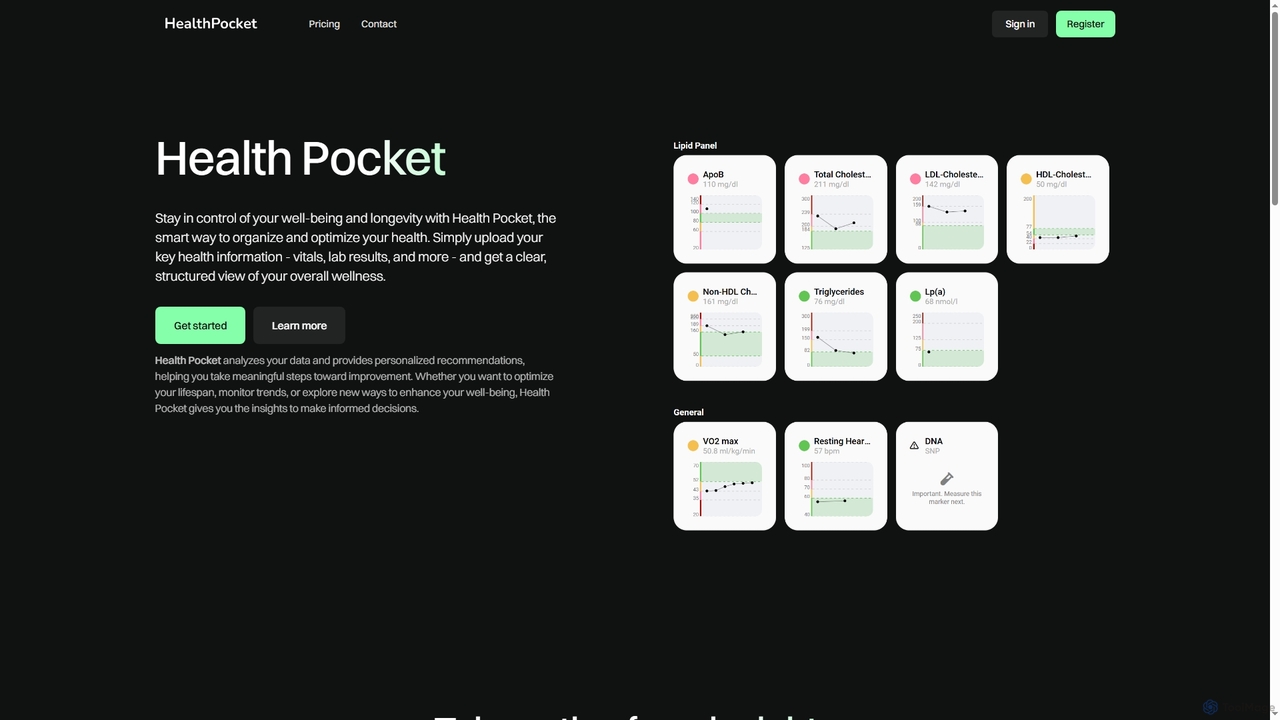
Health Pocket is a smart digital platform designed to help individuals organize, understand, and optimize their health data. …

3.1K

About Longevity Optimization

Longevity Optimization tools are a class of AI-powered applications that analyze personal health data to generate personalized strategies for extending healthspan and lifespan. They utilize machine learning algorithms to process complex datasets from sources like blood tests, genetic reports, and wearable devices. The primary value lies in transforming raw health data into actionable insights, enabling users to make proactive, data-driven decisions about their diet, supplements, and lifestyle to improve long-term well-being. These tools move beyond generic health advice to offer a highly individualized approach to preventative health.

Core Features

  • Biomarker Analysis: Interprets results from blood tests to track markers of aging and disease risk.
  • Personalized Recommendations: Generates tailored diet, supplement, and lifestyle plans based on individual data.
  • Biological Age Calculation: Estimates a user's biological age versus their chronological age using validated algorithms.
  • Genetic Data Integration: Analyzes raw DNA data to identify predispositions and optimize health choices.
  • Predictive Health Modeling: Forecasts future health trajectories and the potential impact of interventions.

Use Cases

These tools are primarily used by health-conscious individuals, biohackers, and performance-focused athletes seeking to optimize their physical and cognitive function. Additionally, functional medicine practitioners, nutritionists, and health coaches leverage these platforms to provide more precise, data-driven guidance to their clients, moving from generalized wellness plans to personalized health protocols.

How to Choose

When selecting a Longevity Optimization tool, consider the range of data integrations it supports (e.g., wearables, lab tests, DNA services). Evaluate the scientific validity of its recommendations and algorithms. Prioritize platforms with strong data privacy and security policies. Finally, assess the clarity and actionability of the insights provided; the best tools make complex data easy to understand and act upon.

Longevity OptimizationUse Cases

1

Creating a Data-Driven Supplement Protocol

A biohacker uploads their latest blood panel results, genetic data from a service like 23andMe, and daily wearable stats into a longevity platform. The AI analyzes dozens of biomarkers, such as ApoB, hs-CRP, and vitamin levels, alongside genetic predispositions. Instead of taking a generic multivitamin, the user receives a precise, prioritized list of supplements, including specific dosages and optimal timing. The platform explains the rationale for each recommendation, linking it directly to the user's data to address specific deficiencies or risks.

2

Optimizing Athletic Recovery and Performance

A competitive cyclist aims to enhance recovery and prevent overtraining. They connect their wearable device (tracking sleep stages, HRV, and resting heart rate) and training app to a longevity tool. The AI correlates daily biometric data with workout intensity and duration. It identifies patterns, suggesting, for example, that after high-intensity interval sessions, an extra 30 minutes of deep sleep significantly improves next-day HRV. This allows the athlete to adjust their sleep schedule and recovery modalities for peak performance.

3

Proactive Planning for Long-Term Health

A 50-year-old individual wants to proactively manage their health to mitigate age-related disease risks. They use a longevity tool to consolidate data from annual check-ups, lifestyle questionnaires, and continuous glucose monitoring. The AI model identifies elevated long-term risks for cardiovascular disease and insulin resistance based on their unique data profile. It then generates a multi-faceted plan, suggesting specific dietary swaps, exercise types, and stress management techniques to lower these specific risks, tracking progress over time.

4

Tracking and Reducing Biological Age

A user focused on reversing the aging process uses a tool that calculates their biological age. They provide inputs including blood test results, physical measurements, and lifestyle habits. The initial calculation shows their biological age is three years older than their chronological age. The tool provides a prioritized list of interventions, such as increasing fiber intake and incorporating specific types of exercise. Over six months, the user follows the plan and re-tests, seeing their biological age score decrease by two years, validating their efforts.

5

Tailoring Nutrition Based on Genetic Makeup

Someone struggling with generic diet plans uploads their raw DNA data to a longevity optimization platform. The AI analyzes genes related to metabolism, nutrient processing, and food sensitivities. The report reveals a poor ability to convert ALA to EPA/DHA and a high sensitivity to caffeine. Based on this, the tool generates a personalized nutrition plan recommending increased consumption of fatty fish instead of plant-based omega-3s and limiting coffee intake to one cup before 10 a.m. to improve sleep quality.

6

Enhancing a Health Coach's Client Services

A functional health coach uses a professional longevity platform to manage their clients. Instead of relying solely on client-reported information, the coach invites clients to connect their health data sources. The AI dashboard provides the coach with a consolidated view of each client's biomarkers, sleep patterns, and activity levels. This enables the coach to offer highly personalized, evidence-based advice and track the real-world impact of their interventions, significantly improving client outcomes and retention.

Longevity OptimizationFrequently Asked Questions