ToolMage
Sign in

Best 1 Luxury Goods AI tools for Lifestyle

Popular Luxury Goods AI tools in Lifestyle include Lollipuff, helping you work more efficiently.

Lollipuff
Paid

Lollipuff

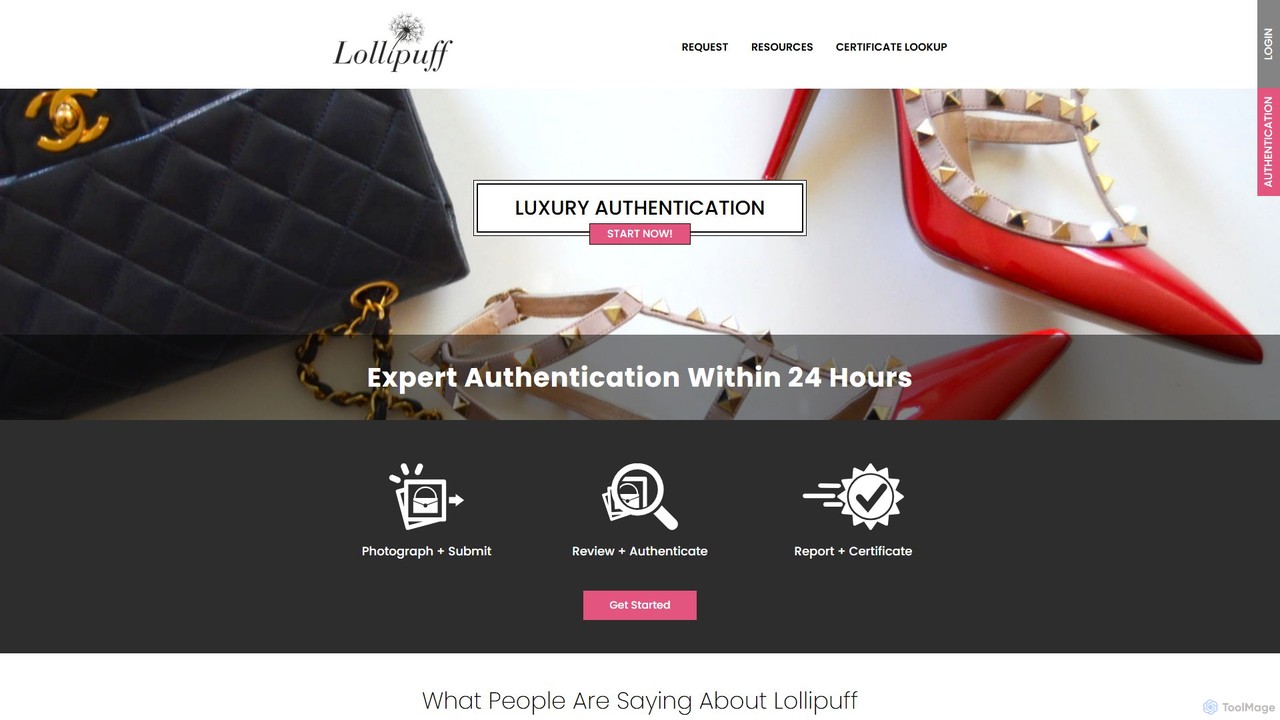
Lollipuff is an expert-driven, tech-enabled authentication service for luxury designer goods. It provides fast, reliable authenticity reports and certificates for brands like Chanel, Louis Vuitton, and Hermès, helping buyers and sellers trade with confidence and avoid costly counterfeits.

Authentication Service
Visits 15.4KFavorites 142Likes 120

About Luxury Goods

AI Luxury Goods tools are a specialized category of applications designed to enhance the experience of buying, selling, and authenticating high-value items. These tools leverage advanced technologies like computer vision for counterfeit detection, predictive analytics for market value forecasting, and natural language processing for personalized clienteling. They provide brands with powerful ways to protect their integrity and engage with elite clientele, while offering consumers and collectors greater confidence and insight. Unlike general lifestyle or e-commerce tools, they focus on exclusivity, authenticity, and the unique lifecycle of luxury products.

Core Features

  • Authenticity Verification: Uses computer vision to analyze product images and identify counterfeit items based on minute details.
  • Personalized Recommendation: Generates tailored product suggestions based on individual taste, purchase history, and current trends.
  • Market Value Analysis: Employs predictive analytics to track and forecast the resale value of collectible items like watches and handbags.
  • Virtual Try-On (VTO): Utilizes augmented reality to allow customers to virtually wear jewelry, watches, or accessories.
  • AI-Powered Clienteling: Manages VIP customer relationships by providing insights and automating personalized communications.

Use Cases

These tools are primarily used by luxury brands, high-end retailers, auction houses, and resale platforms to ensure product authenticity and enhance customer experience. They are also valuable for individual collectors, investors, and personal shoppers who need to verify items and track their investment value in the secondary market.

How to Choose

When selecting an AI Luxury Goods tool, consider its specific function, such as authentication versus sales personalization. Evaluate the accuracy of the AI model, especially for verification and valuation tools. Check for integration capabilities with your existing e-commerce or CRM platforms, and ensure robust data privacy measures are in place to protect sensitive client information.

Luxury Goods use cases

1

Authenticating Pre-Owned Luxury Handbags

An online marketplace for pre-owned luxury goods uses an AI tool to verify handbag authenticity. Sellers upload high-resolution photos of details like stitching, hardware, and logos. The AI's computer vision model, trained on thousands of genuine and fake examples, analyzes these images against brand-specific markers. It provides an authenticity score in seconds, flagging suspicious items for human expert review. This automates initial screening, increases marketplace trust, and protects buyers from fraud.

2

AI-Powered Personal Shopper for High Jewelry

A luxury jewelry brand integrates an AI recommendation engine into its website. The system analyzes a customer's browsing history, past purchases, and style preferences. When the customer views a necklace, the AI suggests matching earrings or a bracelet, not just from the same collection but based on a deep understanding of gem cuts and design aesthetics. This creates a bespoke online shopping experience similar to an in-store consultation, increasing average order value and customer loyalty.

3

Tracking the Investment Value of Swiss Watches

A watch collector uses an AI-powered app to manage their portfolio. They input the model, year, and condition of each watch. The AI continuously scrapes data from auction results and dealer listings. It uses predictive analytics to forecast the value of each piece, identify market trends, and suggest optimal times to buy or sell. The tool provides charts and reports, turning a passion into a data-driven investment strategy.

4

Virtual Try-On for Luxury Eyewear

An exclusive eyewear brand offers an AR-powered virtual try-on feature. Using a customer's smartphone camera, the AI tool accurately maps the frames onto their face in real-time. It accounts for lighting, face shape, and skin tone to provide a realistic preview. Customers can see how different styles look from various angles without visiting a store, reducing purchase hesitation and lowering return rates for the online business.

5

Predicting Next Season's 'It' Bag Color

A high-fashion house employs an AI trend forecasting tool. The AI analyzes millions of data points from social media, runway shows, and street style blogs to identify emerging patterns in colors and materials. It can predict that, for example, 'cherry red' will be a dominant color for accessories in the upcoming season. This data-driven insight helps designers make more confident decisions, reducing the risk of producing unpopular inventory and aligning production with future demand.

6

Enhancing VIP Clienteling with AI Assistance

A luxury department store provides its personal shoppers with an AI clienteling platform. The system tracks VIP clients' purchase histories, special dates, and stated preferences. It prompts the shopper to reach out with personalized messages, such as a preview of a new collection from a favorite designer or a curated birthday gift list. The AI can even draft initial messages in the brand's tone of voice, allowing the shopper to focus on building the relationship and providing high-touch service.

Luxury Goods FAQ

What are AI Luxury Goods tools?

AI Luxury Goods tools are specialized software that use artificial intelligence for the high-end market. They focus on tasks like authenticating products, providing personalized shopping experiences, forecasting market value, and managing elite customer relationships. Unlike general e-commerce tools, they are built to handle issues of scarcity, brand protection, and the investment nature of luxury items.

How do I choose the right AI tool for my luxury business?

Choosing the right tool depends on your primary goal. Consider these factors:

  • Function: Do you need counterfeit detection, a recommendation engine, or a clienteling platform?
  • Accuracy: For authentication or valuation tools, check the AI model's documented accuracy rate and the data it's trained on.
  • Integration: Ensure the tool can integrate with your existing systems, such as your e-commerce platform or CRM.
  • User Experience: The tool should reflect your brand's luxury feel, both for your staff and your customers.
What's the difference between AI Luxury Goods tools and standard e-commerce AI?

The key difference is their focus and data sets. Standard e-commerce AI optimizes for volume and mass-market trends. AI Luxury Goods tools are tailored for exclusivity and high value. They use specialized data, such as brand-specific authentication markers or auction house results, to solve problems like counterfeit detection and investment tracking, which are less relevant in standard retail.

Can individuals use AI Luxury Goods tools?

Yes, many tools are designed for consumers, collectors, and investors. These often take the form of mobile apps for authenticating items before a purchase, platforms for tracking the value of a collection (like watches or art), or services that provide AI-driven personal styling with high-end products. They empower individuals with data and security previously available only to industry experts.

How does AI detect counterfeit luxury items?

AI counterfeit detection typically uses computer vision. A model is trained on a massive dataset of images from both genuine and fake products. It learns to identify subtle, microscopic inconsistencies in details like stitching patterns, logo engraving, hardware texture, and material grain. When a user uploads a photo, the AI compares these details against its learned patterns to calculate an authenticity probability, often with high accuracy.