ToolMage
Sign in

Best 7 Mindfulness AI tools for Lifestyle

Popular Mindfulness AI tools in Lifestyle include Lid, ChillandPill, DailyBless, BlissBot.ai, rotimeapp, azen, and Tranquil Expanse, helping you work more efficiently.

ChillandPill

ChillandPill

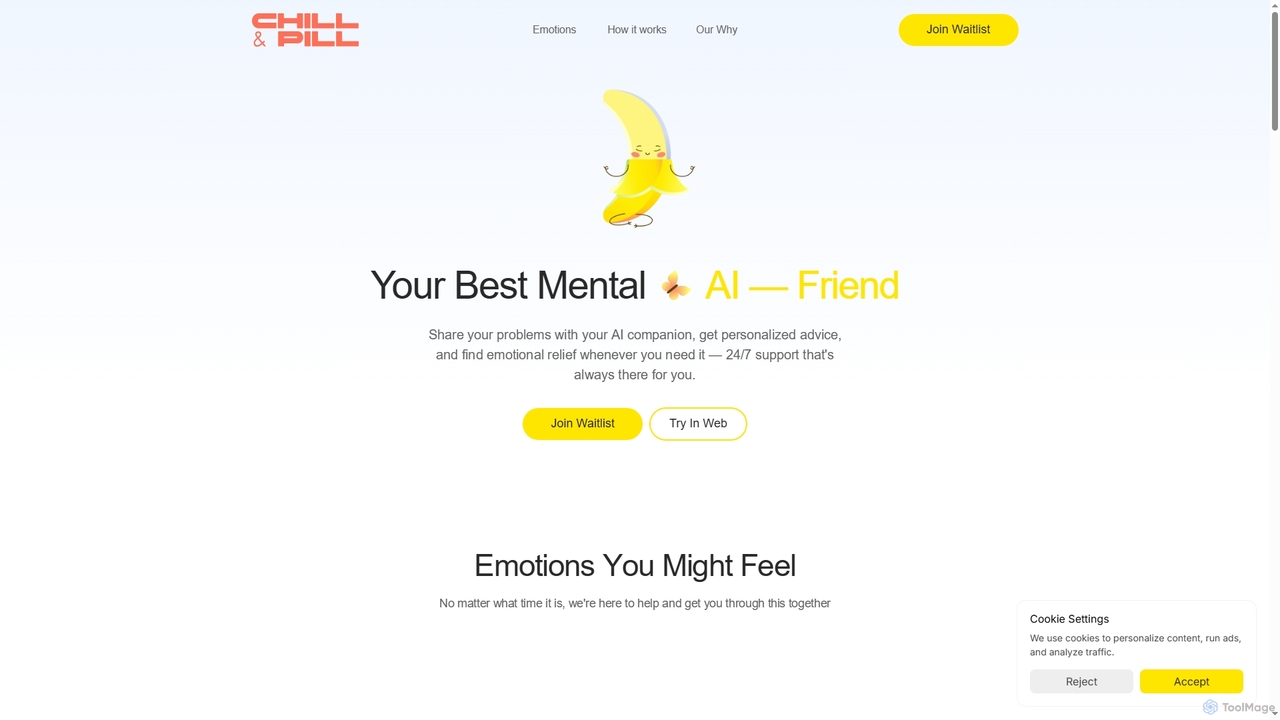
ChillandPill is an AI emotional support companion designed to be your non-judgmental 'pocket friend.' It offers 24/7 personalized guidance and instant responses to help you navigate various emotions, from anxiety and stress to joy and gratitude, fostering self-awareness and emotional relief.

Mindfulness
Visits 6.9KFavorites 159Likes 145
DailyBless
Freemium

DailyBless

DailyBless is an AI-powered wellness companion designed to enhance your mental and spiritual well-being. It delivers personalized daily blessings, affirmations, guided meditations, and insightful journal prompts to help you cultivate a positive mindset, practice gratitude, and achieve personal growth.

3D
Visits 6.6KFavorites 167Likes 155
rotimeapp
Paid

rotimeapp

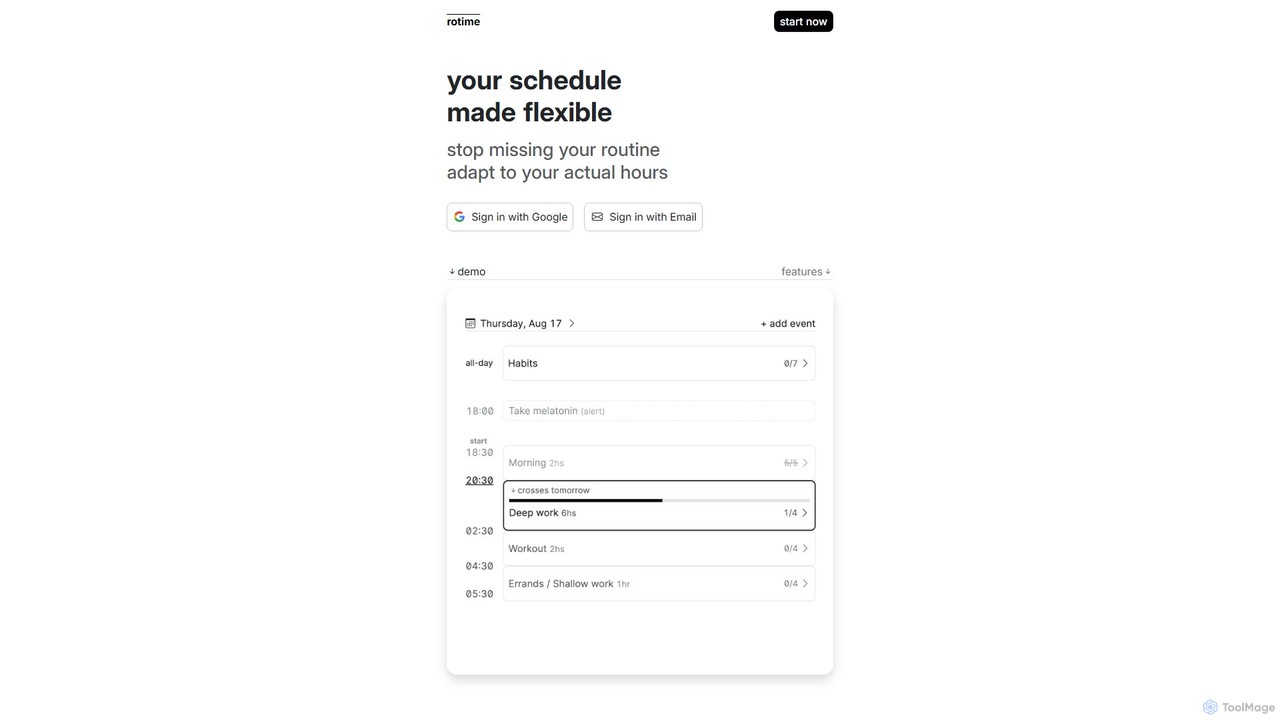
A minimalist, focus-aware calendar app designed to reduce distractions. It highlights your current event and dims the rest, helping you concentrate on the task at hand. Ideal for time blocking and mindful productivity.

Mindfulness
Visits 5.8KFavorites 91Likes 83
Lid
Freemium

Lid

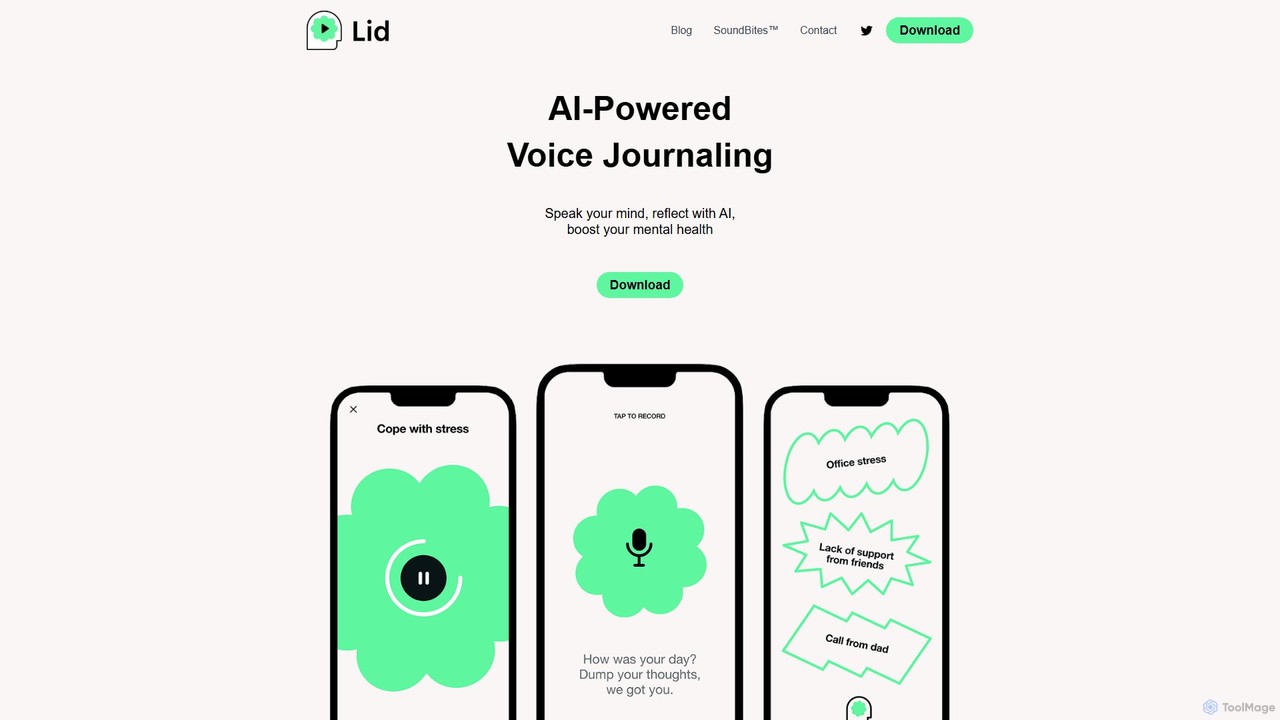
Lid is an AI-powered voice journaling app for iOS designed to boost mental wellness. Simply speak your thoughts, and Lid's AI transcribes them, provides insightful summaries, and identifies key themes. A unique feature is the 'Uplifting SoundBite,' which creates personalized motivational audio over a relaxing soundscape based on your entry. With a strong focus on privacy, Lid offers a secure and effortless way to practice self-reflection, track moods, and build healthy habits.

Mental Health
Visits 6.9KFavorites 113Likes 133
Tranquil Expanse
Freemium

Tranquil Expanse

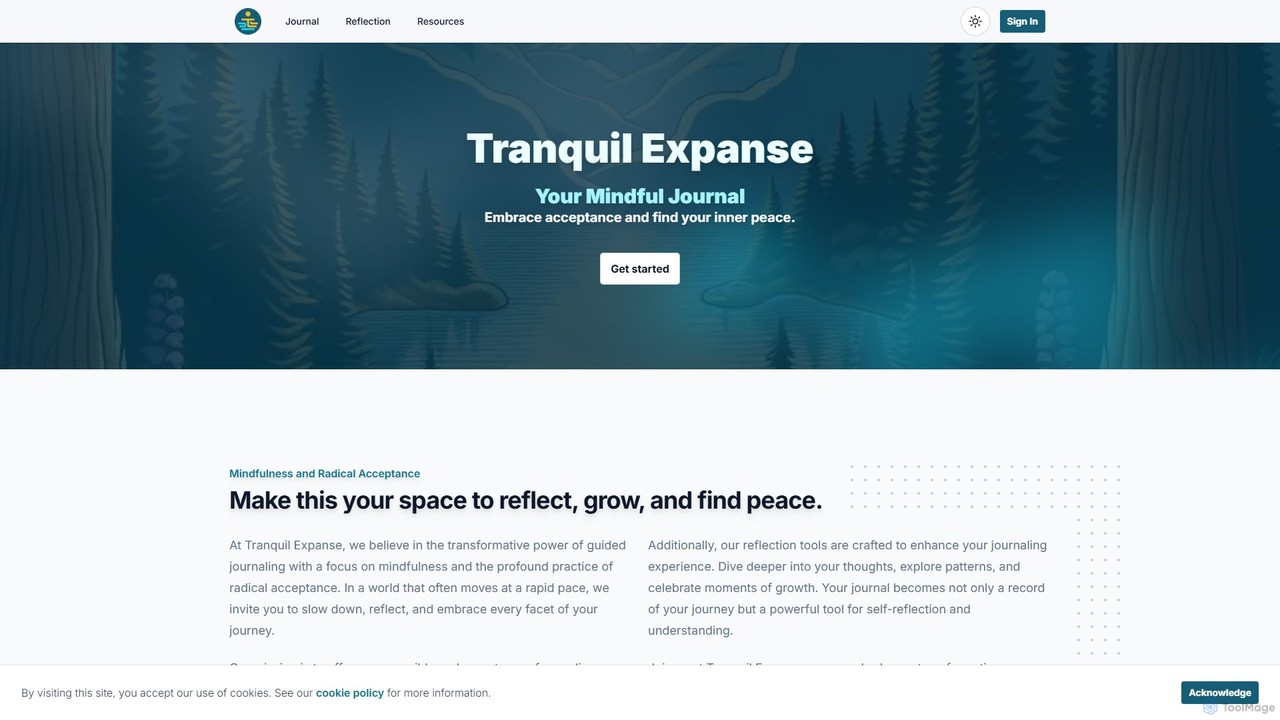
Tranquil Expanse is an AI-powered online journal designed for mindfulness and radical acceptance. It offers guided prompts, goal tracking, and AI-driven insights to help users reflect, grow, and find inner peace. Core features are free, with a flexible pay-as-you-go model for advanced AI assistance.

Mental Health
Visits 5.7KFavorites 108Likes 125
azen
Freemium

azen

azen is an AI-powered productivity and mindfulness app that helps you organize tasks, manage your schedule, and find focus. It combines smart task management with guided mindfulness exercises to reduce stress and boost efficiency, creating a balanced workflow.

Mindfulness
Visits 5.8KFavorites 123Likes 150
BlissBot.ai
Freemium

BlissBot.ai

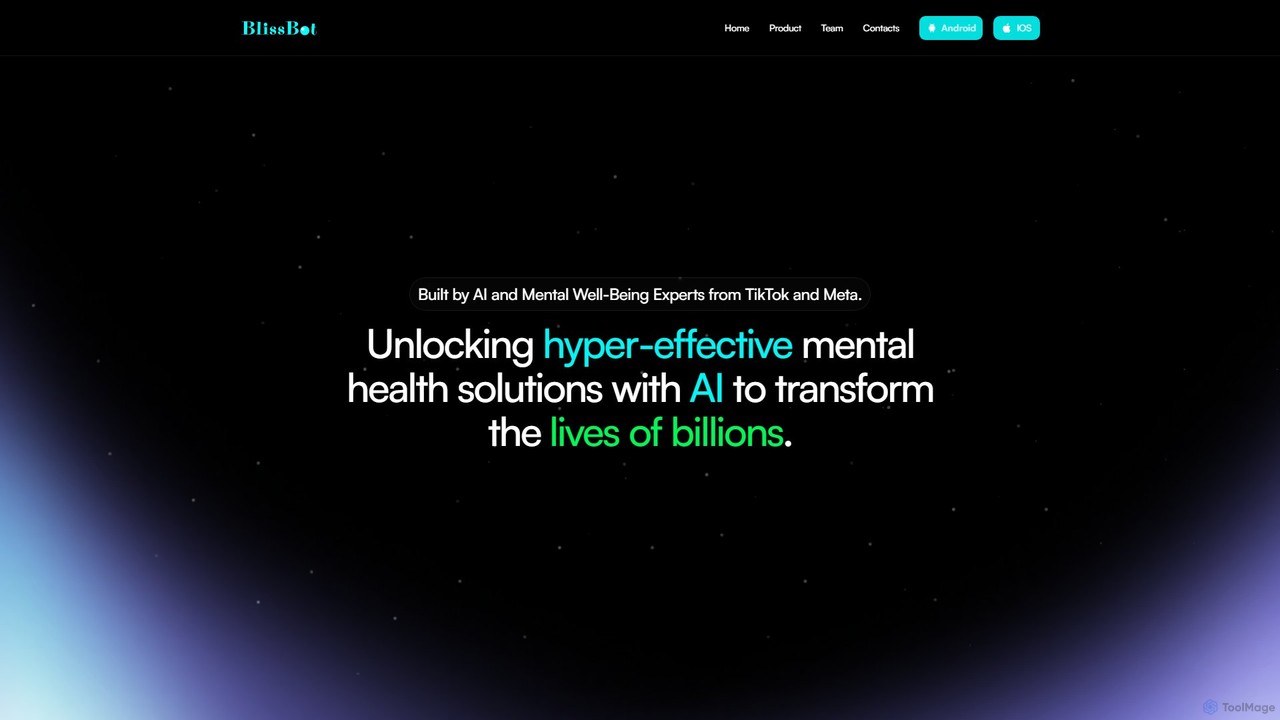
BlissBot.ai is an AI-powered companion for mental, emotional, and spiritual well-being. Developed by experts from TikTok and Meta, this mobile app provides 24/7 support, personalized guidance, and mindfulness tools to help users overcome challenges, reduce stress, and cultivate happiness. It acts as a judgment-free space for emotional processing and personal growth.

Mental Health
Visits 6.2KFavorites 140Likes 150

About Mindfulness

AI Mindfulness tools are applications that leverage artificial intelligence to provide personalized mental wellness support. They use algorithms to analyze user data, such as mood inputs and biometric feedback, to deliver tailored meditation sessions, breathing exercises, and cognitive guidance. These tools aim to make mindfulness practices more accessible and effective for managing stress, improving focus, and enhancing emotional well-being. The AI-driven personalization sets them apart from static content libraries, offering a dynamic and responsive path to mental clarity.

Core Features

  • Personalized Guidance: AI algorithms adapt meditation and exercises based on your mood, progress, and bio-feedback.
  • Mood Tracking & Analysis: Log your emotional state and receive AI-powered insights into patterns and triggers.
  • Bio-Feedback Integration: Connects with wearables or uses a camera to monitor physiological signs like heart rate for real-time guidance.
  • Adaptive Soundscapes: Generates calming audio environments that respond to your stress levels or focus needs.
  • Conversational Support: Offers AI chatbot interactions for journaling, gratitude prompts, and CBT-based exercises.

Use Cases

These tools are widely used by individuals seeking to manage daily stress, corporate professionals aiming to prevent burnout, and students looking to improve concentration. They are also valuable for anyone exploring meditation for the first time, as the guided, adaptive nature lowers the barrier to entry and helps build a consistent practice.

How to Choose

When selecting an AI Mindfulness tool, consider the level of personalization and the types of data it uses (mood, biometrics). Evaluate the scientific basis of its techniques, its data privacy policy, and its compatibility with any wearable devices you use. Also, review the variety of content offered, from guided meditations to educational courses on emotional regulation.

Mindfulness use cases

1

Daily Stress and Anxiety Management

For busy professionals or students experiencing daily pressure. The AI tool analyzes mood journal entries and suggests specific 5-10 minute guided meditations or breathing exercises to calm the nervous system. It can send proactive notifications based on calendar events, helping users build a consistent mindfulness routine and reduce anxiety levels over time.

2

Improving Sleep Quality

For individuals struggling with insomnia or restless sleep. The AI generates personalized, calming soundscapes or guided sleep meditations based on the user's reported stress levels from the day. By integrating with a wearable device, it can track sleep patterns and adjust the audio content in subsequent nights to better facilitate deep, restorative sleep.

3

Enhancing Focus and Productivity

For remote workers, creatives, or students needing to concentrate for extended periods. The tool offers AI-powered focus sessions with adaptive ambient sounds (e.g., binaural beats) that adjust based on real-time bio-feedback. This helps maintain a state of 'flow,' minimize distractions, and improve overall productivity during work or study blocks.

4

Emotional Regulation and Self-Awareness

For users seeking personal growth and better emotional understanding. Through guided journaling prompts and AI-powered conversational check-ins, the tool helps identify emotional triggers and thought patterns. It provides insights and visualizations of mood trends, fostering greater self-awareness and equipping users with cognitive techniques to manage their reactions.

5

Corporate Wellness Programs

For HR departments implementing employee wellness initiatives. These tools can be deployed across an organization, offering confidential, on-demand mental health support. The AI provides personalized content to each employee, while providing anonymized, aggregated data to the company to identify general stress trends and inform wellness strategies without compromising individual privacy.

6

Guided Introduction to Meditation

For beginners who find traditional meditation intimidating. The AI acts as a personal coach, starting with simple, short exercises and gradually introducing more advanced techniques based on the user's progress and feedback. This adaptive learning path makes the practice feel less daunting and helps build a sustainable habit from the ground up.

Mindfulness FAQ

What are AI Mindfulness tools?

AI Mindfulness tools are applications that use artificial intelligence to deliver personalized mental wellness guidance. Unlike traditional apps with fixed libraries, they adapt content like meditations and breathing exercises based on your real-time mood, feedback, and sometimes even biometric data. Their primary goal is to make mindfulness practices more effective and accessible for stress reduction and improved focus.

How do I choose the right AI Mindfulness tool?

To choose the right tool, consider these factors:

  • Personalization Method: Does it adapt based on simple check-ins or advanced bio-feedback from wearables?
  • Scientific Validity: Is the content based on established principles like CBT or mindfulness-based stress reduction (MBSR)?
  • Data Privacy: How is your sensitive mood and health data stored and used?
  • Content Variety: Does it offer a range of exercises, from sleep stories to focus sessions?
What's the difference between AI Mindfulness apps and regular meditation apps?

The key difference is personalization and interactivity. Regular meditation apps typically offer a static library of pre-recorded sessions. AI Mindfulness apps use algorithms to dynamically tailor the experience. They can adjust the guidance, music, or duration of a session based on your current emotional state or goals, creating a more responsive and individualized practice.

How does AI actually enhance mindfulness practice?

AI enhances mindfulness by providing real-time, data-driven feedback and personalization. For example, it can analyze your journal entries to identify recurring stress triggers, use heart rate data from your watch to guide your breathing to a calmer rhythm, or select the perfect meditation based on your stated mood. This turns a passive listening experience into an interactive, adaptive wellness journey.

Who can benefit from using AI Mindfulness tools?

A wide range of people can benefit. This includes busy professionals looking to manage stress, students aiming to improve focus, individuals dealing with anxiety or sleep issues, and anyone new to meditation seeking a structured, guided introduction. They serve as an accessible first step for improving mental well-being within a daily routine.