Listmind
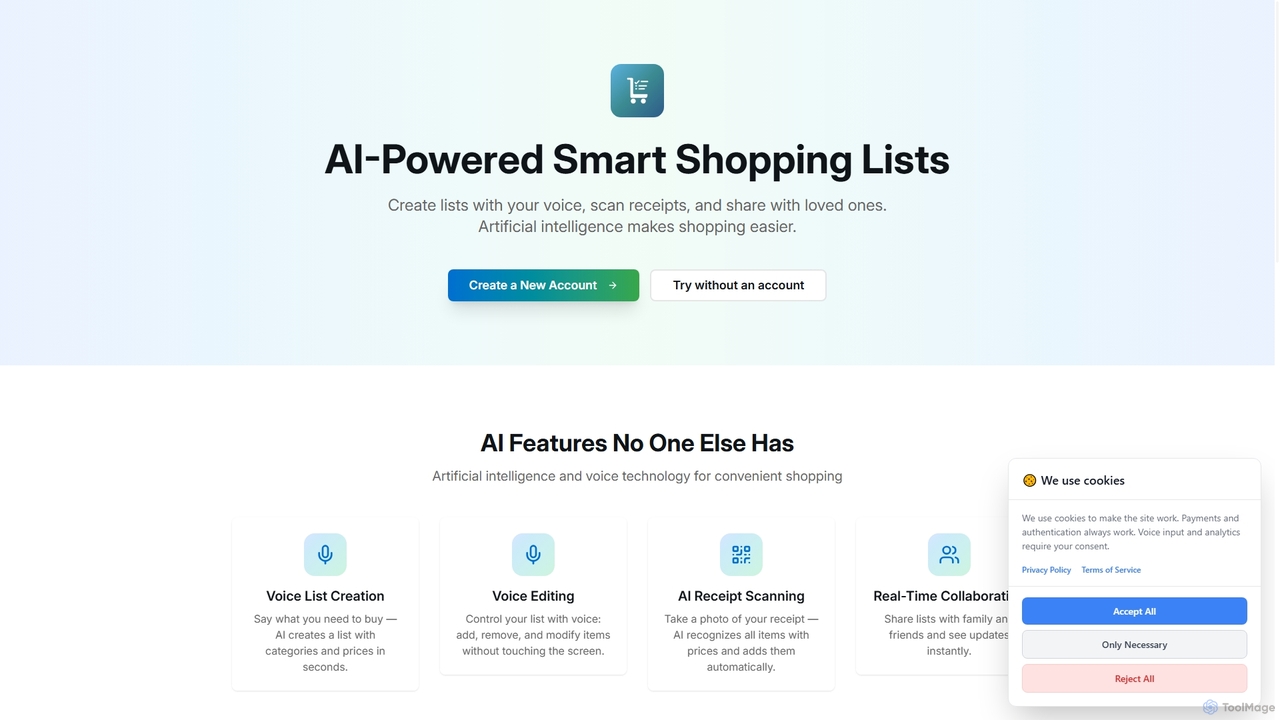
Listmind is an AI-powered smart shopping list app that simplifies your grocery shopping. Create lists using your voice, …
Listmind is an AI-powered smart shopping list app that simplifies your grocery shopping. Create lists using your voice, scan receipts to automatically add items, and collaborate in real-time with family and friends. Its intelligent features categorize items and estimate prices, making shopping faster and more organized.
Papper
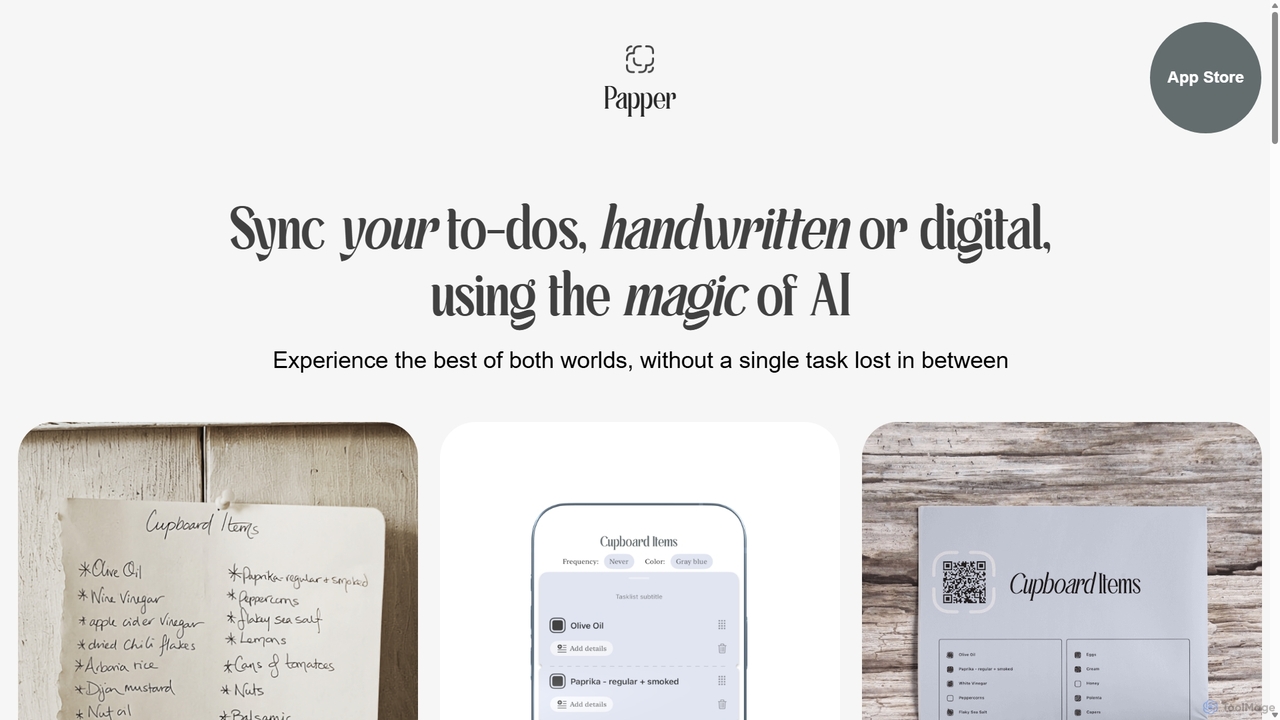
Papper is an innovative iOS app that uses AI to bridge the gap between handwritten notes and digital …
Papper is an innovative iOS app that uses AI to bridge the gap between handwritten notes and digital to-do lists. It digitizes your handwriting, syncs with Apple Reminders, and allows you to update tasks by scanning checkmarks on beautiful, custom printouts.
organz.ai
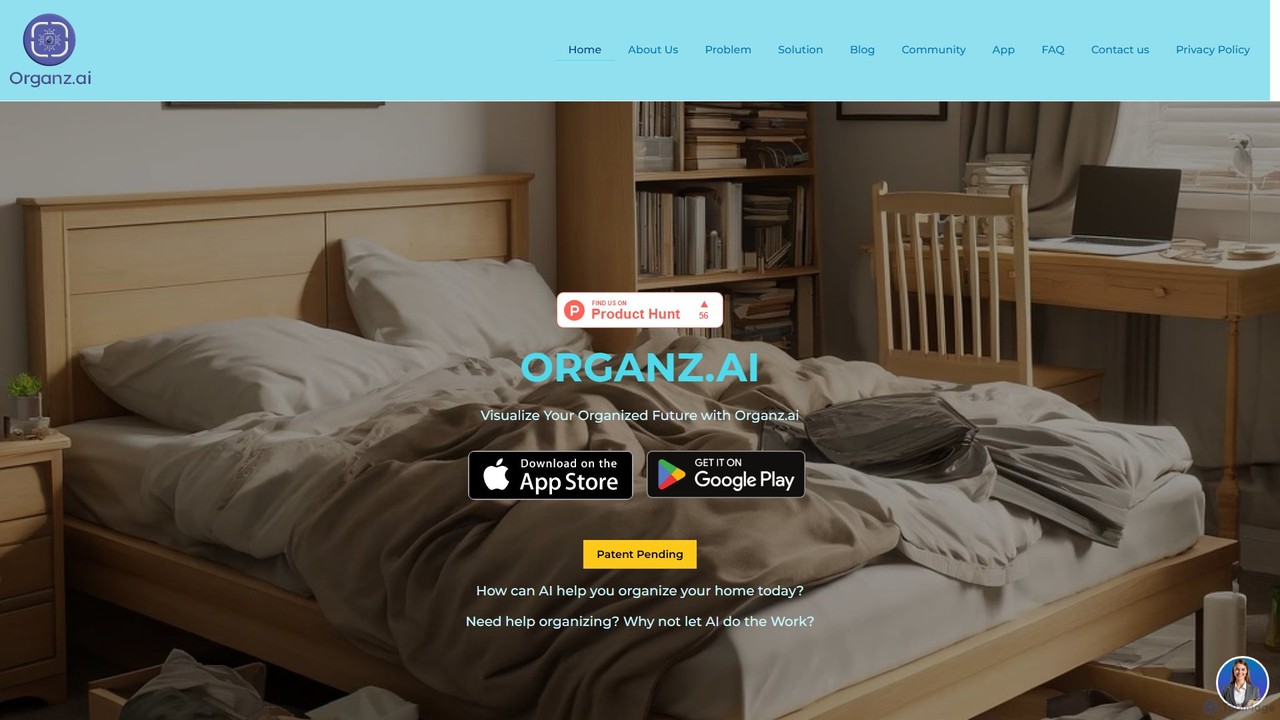
Organz.ai is an AI-powered productivity and decluttering assistant designed to bring order to your life and peace to …
Organz.ai is an AI-powered productivity and decluttering assistant designed to bring order to your life and peace to your mind. It goes beyond a typical task manager by learning your work habits to intelligently prioritize tasks, generate smart schedules, and provide step-by-step guides for organizing both your digital and physical spaces. It's your personal partner in achieving a more organized, productive, and stress-free life.
Sail Vacations
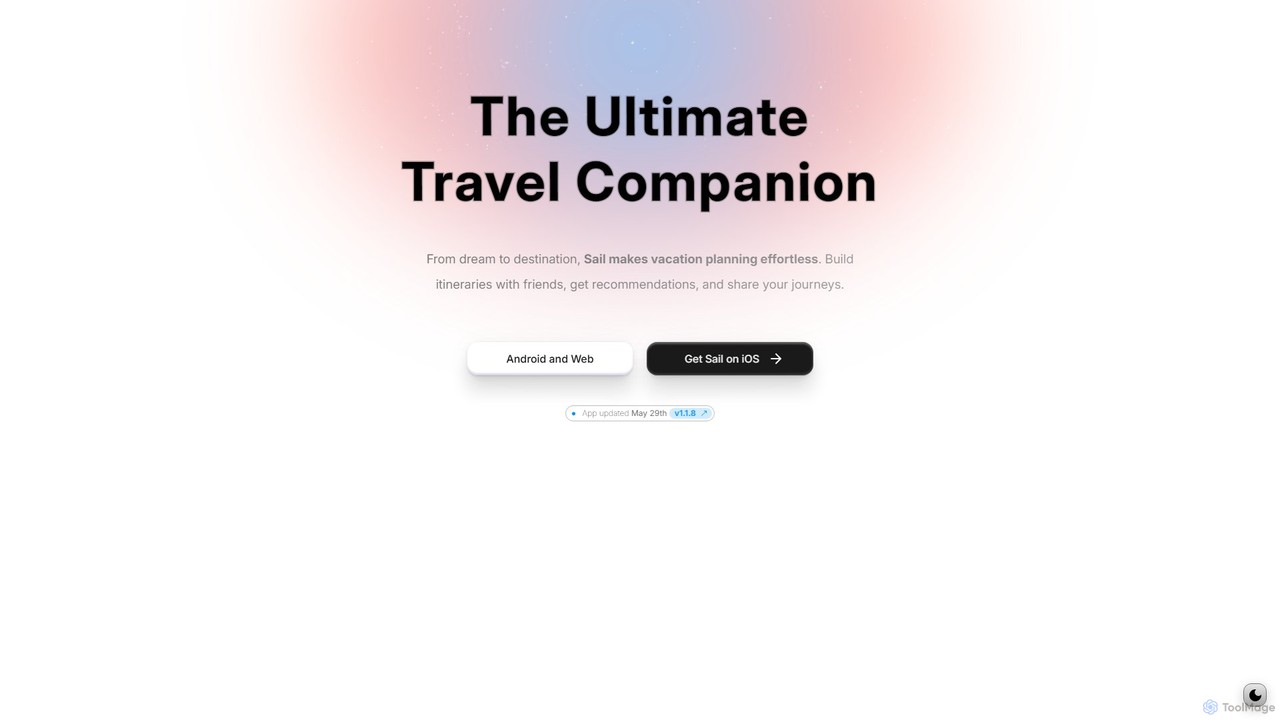
Sail Vacations is a collaborative, AI-powered travel planning app. Build detailed itineraries with friends, get intelligent recommendations for …
Sail Vacations is a collaborative, AI-powered travel planning app. Build detailed itineraries with friends, get intelligent recommendations for activities and packing, track expenses, and sync plans to your calendar. Sail makes group vacation planning effortless and social, from dream to destination.
About Organization
AI Organization tools are applications that use artificial intelligence to help structure, manage, and optimize personal and professional tasks. They leverage machine learning and natural language processing (NLP) to automate scheduling, prioritize activities, and intelligently categorize information. These tools go beyond simple to-do lists by learning from user behavior to provide predictive suggestions and reduce the mental effort required for planning. Their primary value lies in creating a more streamlined and proactive approach to managing daily life and work.
Core Features
- Intelligent Task Prioritization: Automatically ranks tasks based on deadlines, importance, and user-defined goals.
- Automated Scheduling: Finds optimal times for events and meetings by analyzing existing calendar data and participant availability.
- Natural Language Input: Allows users to add tasks, notes, and appointments using conversational language.
- Smart Categorization: Automatically tags and files notes, documents, and emails based on their content for easy retrieval.
- Habit Analytics: Tracks routines and provides data-driven insights to help users build and maintain positive habits.
Use Cases
These tools are ideal for busy professionals managing complex projects, freelancers juggling multiple clients, and students organizing study schedules. They are also valuable for individuals seeking to improve personal productivity, manage household tasks, and build better daily routines within their lifestyle. For example, a team leader can use it to automate meeting coordination, while a student can create an adaptive study plan that adjusts to their progress.
How to Choose
When selecting an AI Organization tool, consider its integration capabilities with your existing calendar, email, and project management apps. Evaluate the depth of its AI features—does it offer predictive scheduling or just smart reminders? Assess its cross-platform availability (desktop, mobile, web) to ensure seamless access. Finally, carefully review the privacy policy to understand how your personal and professional data is handled and secured.
OrganizationUse Cases
Automated Meeting Scheduling for Remote Teams
A project manager needs to schedule a critical meeting with a team of 12 members spread across different time zones. Instead of manually checking calendars and sending polls, they use an AI Organization tool. They simply specify the attendees, meeting duration, and topic. The AI scans everyone's connected calendars, identifies several optimal time slots that work for the majority, and presents them to the manager. With one click, the manager selects the best option, and the tool automatically sends out calendar invites with all necessary details, saving significant administrative time.
Dynamic Daily Task Planning for Freelancers
A freelance designer juggles projects for three different clients, each with varying deadlines and priorities. They start their day by listing all pending tasks in their AI Organization tool using natural language, such as "finish logo concepts for Client A by tomorrow" and "send invoice to Client B". The AI analyzes the urgency, dependencies, and the designer's typical work patterns. It then generates a prioritized and time-blocked schedule for the day, suggesting which task to tackle first to maximize productivity. If an urgent request comes in, the tool can dynamically reschedule the rest of the day's tasks.
Building a Personal Knowledge Management System
A researcher is constantly reading articles, saving web pages, and taking notes for their work. To avoid a chaotic folder structure, they use an AI Organization tool as a central hub. When they save a new piece of information, the AI's NLP capabilities analyze the content, automatically suggest relevant tags (e.g., 'machine_learning', 'ethics', 'case_study'), and link it to previously saved related notes. This creates an intelligent, interconnected web of knowledge. Later, they can simply ask, "Show me all my notes on AI ethics from last year," and the tool instantly retrieves the relevant information, streamlining the research process.
Managing Household and Family Schedules
A busy parent uses an AI organization app to manage the entire family's schedule. They can add events like "soccer practice for Leo on Tuesday at 5 pm" and "dentist appointment for Mia on Friday". The tool automatically parses these commands, adds them to the correct family member's calendar, and sets smart reminders. It can also manage shared grocery lists, where any family member can add items by voice. The AI can then categorize the list by store aisle and even suggest recipes based on the items and the family's schedule for the week, simplifying overall household management.
Tracking and Analyzing Personal Habits
An individual wants to build healthier habits, such as reading for 30 minutes daily and exercising three times a week. They use an AI Organization tool to set these goals. The tool doesn't just remind them; it analyzes their calendar to suggest the best times to perform these activities (e.g., "Your calendar is free after 6 PM, a good time for your workout"). It tracks completion rates and provides weekly reports with visualizations and insights, like "You're most likely to skip your workout on Fridays." This data-driven feedback helps the user understand their patterns and make adjustments to successfully build and maintain their desired habits.
Organizing Academic Research and Study Plans
A university student is preparing for final exams and writing a term paper. They use an AI Organization tool to manage their complex schedule. They input all their exam dates, paper deadlines, and lecture notes. The AI generates a comprehensive study plan, breaking down large tasks into smaller, manageable daily goals (e.g., "Read Chapter 5 of History" or "Write 300 words for essay"). It also connects related concepts from different lecture notes, helping the student synthesize information for their paper. The tool adapts the plan daily based on completed tasks, ensuring the student stays on track without feeling overwhelmed.