ToolMage
Sign in

Best 1 Personal Training AI tools for Lifestyle

Popular Personal Training AI tools in Lifestyle include Planfit, helping you work more efficiently.

Planfit
Freemium

Planfit

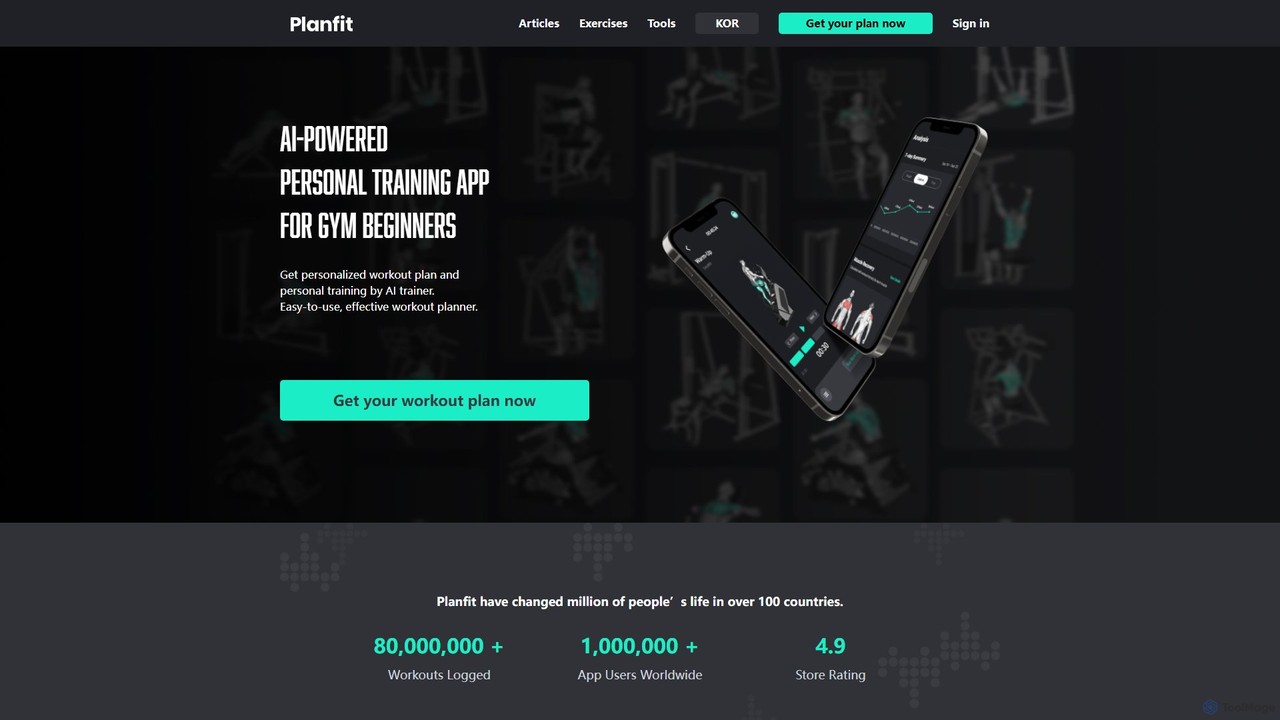
Planfit is an AI-powered personal training app designed for gym-goers, especially beginners. It creates hyper-personalized workout plans based on your goals, abilities, and available equipment. With an AI trainer, detailed exercise guides, and progress tracking, Planfit helps you train smarter, achieve your fitness goals effectively, and build a healthier lifestyle.

Workout Planning
Visits 72.1KFavorites 129Likes 132

About Personal Training

Personal Training AI tools are intelligent platforms designed to provide individualized guidance and support for fitness, nutrition, and well-being. Leveraging artificial intelligence and machine learning, these tools analyze user data to create customized plans, track progress, and offer real-time feedback. They empower individuals to achieve personal health and performance goals with accessible, consistent, and data-driven coaching.

Core Features

  • Personalized Plan Generation: Creates bespoke workout routines, meal plans, or learning schedules based on user goals, preferences, and current performance.
  • Progress Tracking & Analysis: Monitors user activity, performance metrics, and biometric data, providing insights and adjustments to plans.
  • Form & Technique Feedback: Utilizes computer vision or sensor data to analyze exercise form and offer corrective suggestions.
  • Motivational Support & Reminders: Delivers timely prompts, encouragement, and goal-oriented nudges to maintain consistency and engagement.
  • Nutritional Guidance: Offers dietary recommendations, macro tracking, and meal prep suggestions tailored to individual needs.

Applicable Scenarios

These tools are ideal for individuals seeking structured guidance without the cost or scheduling constraints of a human trainer. They benefit busy professionals needing flexible fitness solutions, athletes aiming to optimize performance, and anyone looking for data-driven support in their health and wellness journey.

How to Choose

When selecting a Personal Training AI tool, consider the depth of personalization, the range of activities or disciplines covered, data integration capabilities with wearables, the clarity of the user interface, and the quality of AI-driven feedback. Evaluate if it aligns with your specific goals, budget, and preferred coaching style.

Personal Training use cases

1

Customized Fitness Journey for Beginners

A new gym-goer uses an AI personal training app to generate a safe and effective workout plan tailored to their initial fitness level and goals. The AI adjusts the routine weekly based on their progress and provides video demonstrations for proper form, building confidence and preventing injury.

2

Advanced Performance Optimization for Athletes

A semi-professional runner utilizes an AI coach to analyze their training data, including pace, heart rate, and recovery metrics. The AI identifies plateaus, suggests specific drills to improve weaknesses, and optimizes their periodization schedule, helping them shave seconds off their personal best.

3

Personalized Weight Management & Nutrition

An individual aiming for sustainable weight loss employs an AI tool that creates a personalized meal plan based on their dietary preferences, caloric needs, and activity level. The AI tracks food intake, provides healthy recipe suggestions, and offers insights into eating habits, fostering long-term healthy choices.

4

Mental Well-being & Stress Reduction Coaching

A busy professional uses an AI personal training tool focused on mental health to practice mindfulness and stress management. The AI provides guided meditation sessions, mood tracking, and personalized coping strategies, helping them maintain emotional balance amidst daily pressures.

5

Post-Injury Rehabilitation Support

Someone recovering from a minor injury uses an AI-powered physical therapy assistant to guide them through prescribed exercises. The AI ensures correct form via camera analysis, tracks repetitions, and gradually increases intensity, supplementing professional medical advice and aiding a safe recovery.

6

Skill Acquisition for Hobbies

An aspiring musician uses an AI personal trainer to improve their guitar playing. The AI analyzes their practice sessions, identifies areas for improvement (e.g., rhythm, finger dexterity), and generates custom exercises and learning paths, accelerating their skill development.

Personal Training FAQ

What are AI Personal Training tools?

AI Personal Training tools are software applications or platforms that use artificial intelligence to deliver personalized fitness, nutrition, or skill development coaching. They analyze user data, such as goals, performance, and biometrics, to create dynamic, adaptive plans and provide feedback. These tools aim to make expert guidance more accessible and tailored to individual needs.

How do AI Personal Training tools personalize guidance?

These tools personalize guidance by collecting and analyzing various user data points, including fitness levels, health history, dietary preferences, goals, and real-time performance. AI algorithms then process this information to generate custom workout routines, meal plans, and motivational strategies that adapt over time based on the user's progress and feedback, ensuring a highly individualized experience.

What are the main benefits of using AI Personal Training over traditional methods?

AI Personal Training offers several benefits over traditional methods, including greater accessibility and flexibility, often at a lower cost. It provides consistent, data-driven feedback and adjustments, removing human bias. Users can train anytime, anywhere, with plans that dynamically adapt to their progress, making personalized coaching more sustainable and convenient for a wider audience.

Can AI Personal Training tools analyze exercise form?

Yes, many advanced AI Personal Training tools can analyze exercise form. They often utilize computer vision technology, using a device's camera to observe and evaluate a user's movements during exercises. The AI then provides real-time or post-workout feedback, highlighting incorrect posture or technique and suggesting corrections to prevent injury and maximize effectiveness.

Are AI Personal Training tools suitable for all fitness levels?

Generally, yes, AI Personal Training tools are designed to be suitable for a wide range of fitness levels, from absolute beginners to advanced athletes. Their core strength lies in personalization; they can scale plans up or down based on initial assessments and continuous progress tracking. However, individuals with complex medical conditions or severe injuries should always consult a human professional before relying solely on AI tools.