ToolMage
Sign in

Best 8 Workout Planning AI tools for Health & Fitness

Popular Workout Planning AI tools in Health & Fitness include Planfit, peakstrength, LoadMuscle, BodyMax, Fit Bot, hiitworkout.ai, Solid Apps, and EliteOlympus, helping you work more efficiently.

Fit Bot
Freemium

Fit Bot

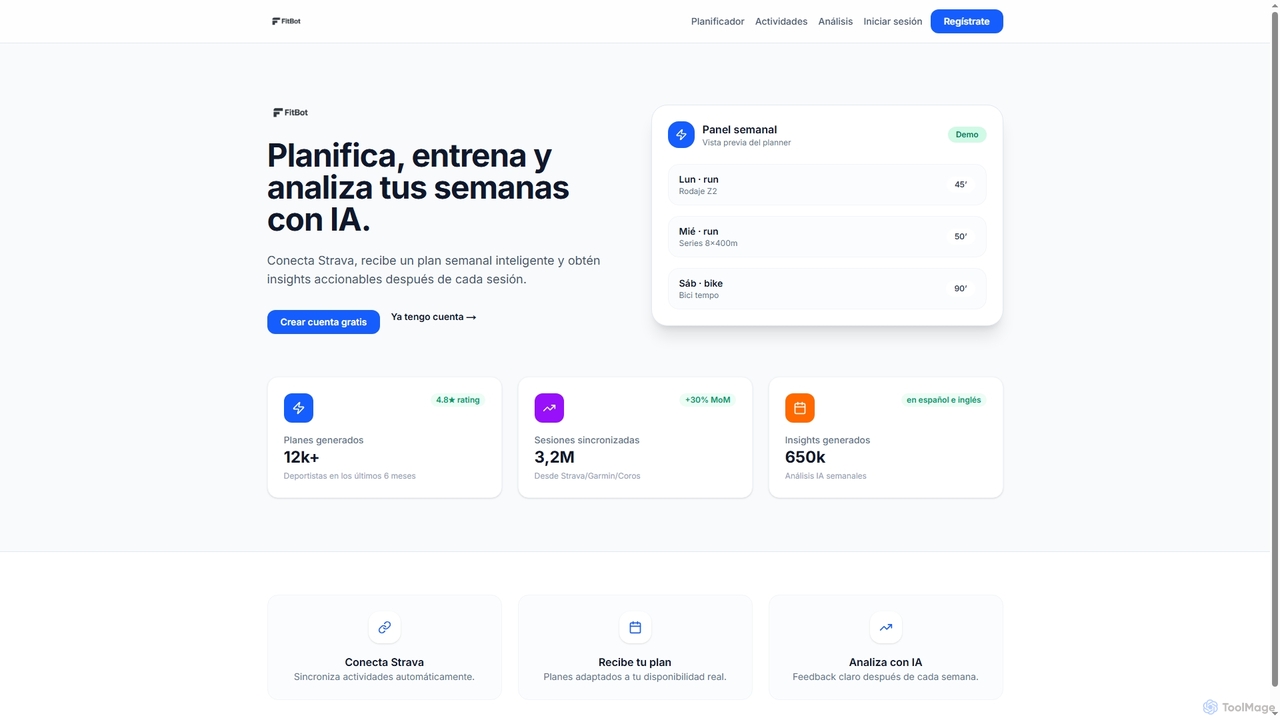
An AI-powered training planner that connects with Strava, Garmin, and Coros. It generates intelligent weekly plans adapted to your availability and provides actionable insights after each session to help you train smarter.

Workout Planning
Visits 6.1KFavorites 93Likes 93
Solid Apps
Paid

Solid Apps

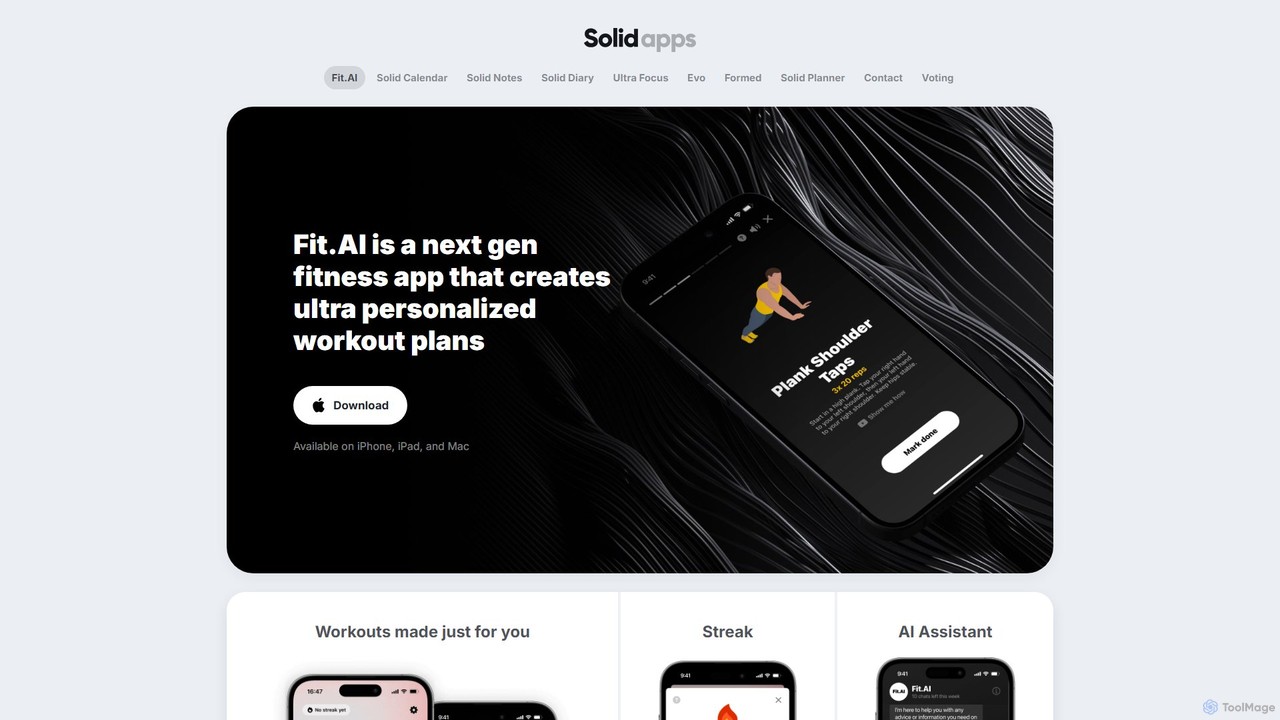
Solid Apps is a suite of AI-enhanced productivity and wellness applications for Apple devices. Featuring minimalist design and a one-time purchase model, it offers specialized tools for fitness (Fit.AI), scheduling (Solid Calendar), journaling (Solid Diary), and goal setting (Ultra Focus). The suite prioritizes user privacy and provides an intuitive, ad-free experience across iPhone, iPad, and Mac, with an all-in-one option called Evo for comprehensive management.

Workout Planning
Visits 5.9KFavorites 132Likes 113
BodyMax
Freemium

BodyMax

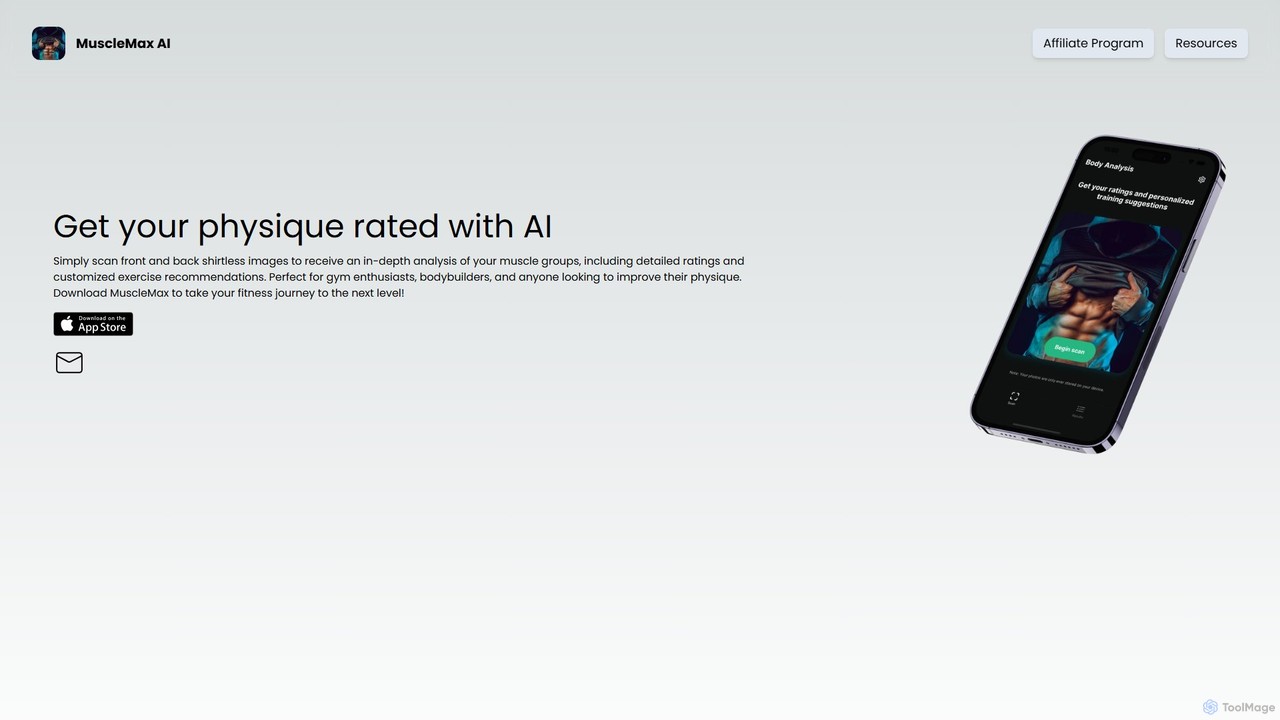
BodyMax is an AI-powered physique scanner that analyzes your body through photos. It provides in-depth ratings for muscle groups, identifies imbalances, and offers customized exercise recommendations to help you optimize your training and achieve your fitness goals. Ideal for bodybuilders and gym enthusiasts.

Personal Analytics
Visits 6.7KFavorites 105Likes 111
peakstrength
Freemium

peakstrength

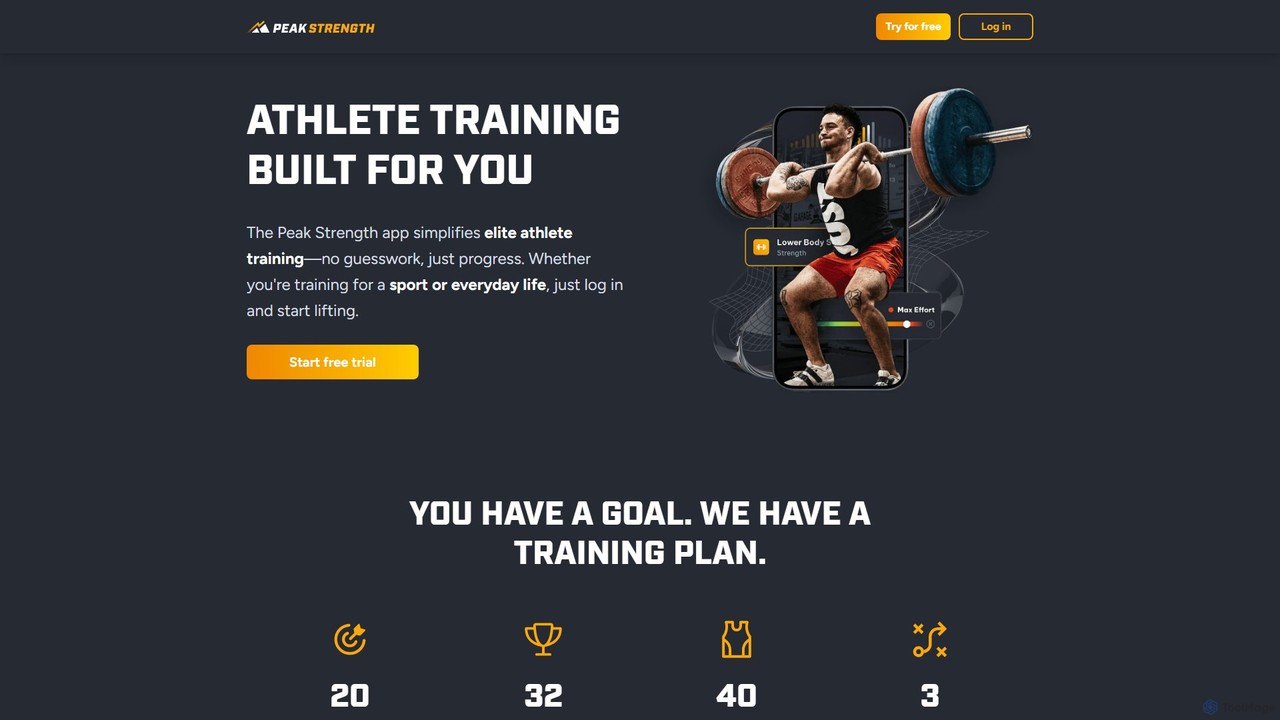
Peak Strength is an AI-powered training app designed for athletes of all levels. It delivers personalized strength, speed, and power workout plans tailored to specific sports, goals, and available equipment, eliminating guesswork and maximizing performance.

Workout Planning
Visits 53KFavorites 124Likes 129
Planfit
Freemium

Planfit

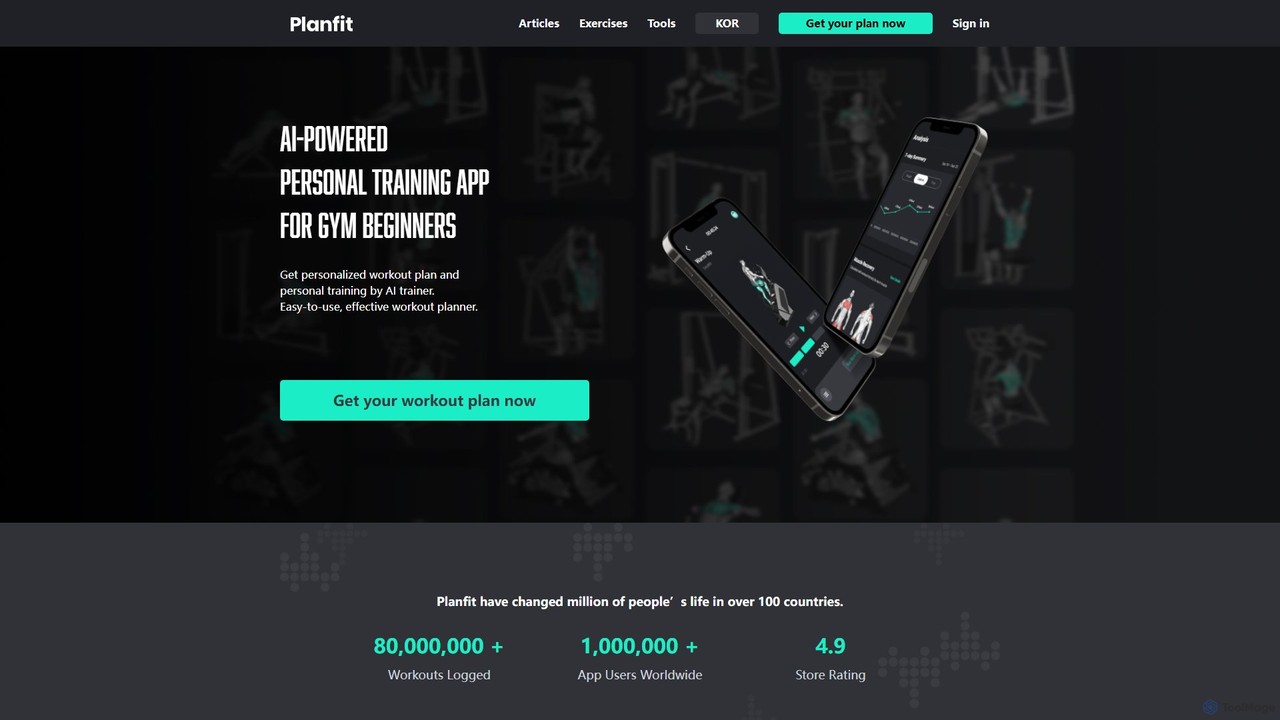
Planfit is an AI-powered personal training app designed for gym-goers, especially beginners. It creates hyper-personalized workout plans based on your goals, abilities, and available equipment. With an AI trainer, detailed exercise guides, and progress tracking, Planfit helps you train smarter, achieve your fitness goals effectively, and build a healthier lifestyle.

Workout Planning
Visits 71.6KFavorites 125Likes 129
EliteOlympus
Freemium

EliteOlympus

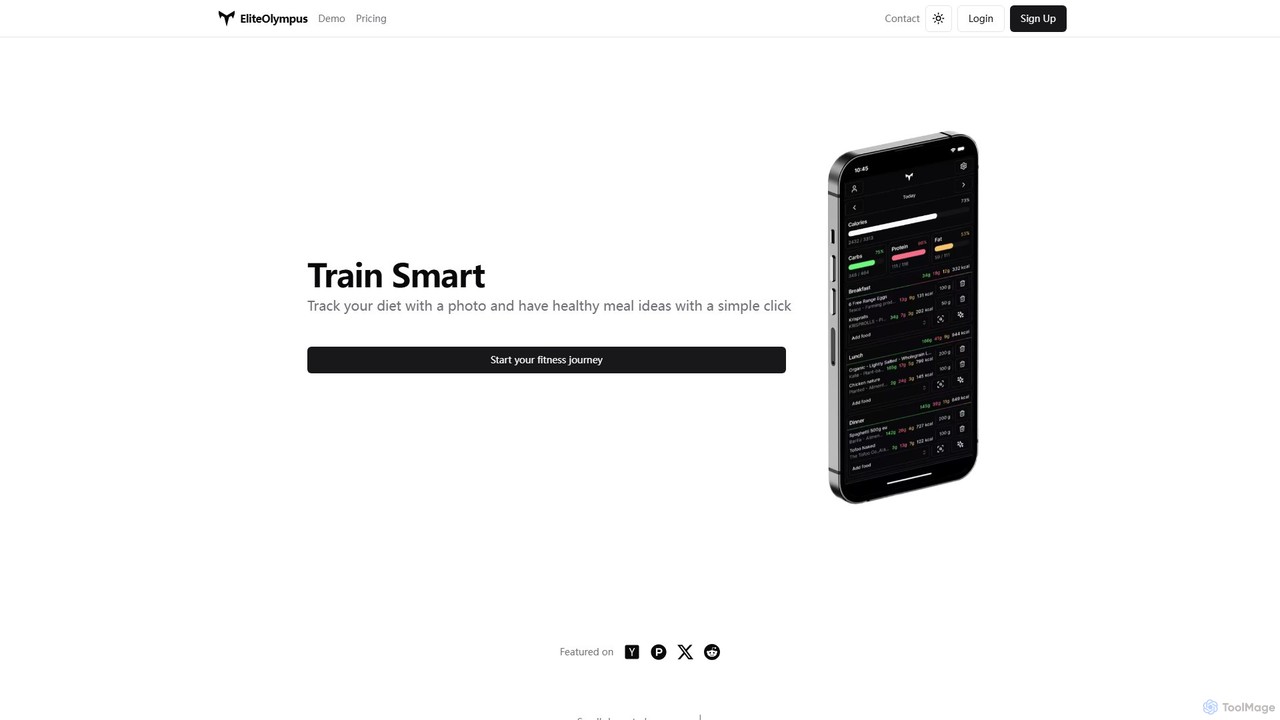
EliteOlympus is an AI-powered fitness and nutrition coach that creates personalized workout and meal plans. Track your diet with a photo, scan food for detailed information, and receive AI-generated meal ideas. It's designed to boost motivation, streamline your fitness journey, and help you achieve your health goals faster and more consistently.

Nutrition
Visits 5.9KFavorites 136Likes 149
hiitworkout.ai
Freemium

hiitworkout.ai

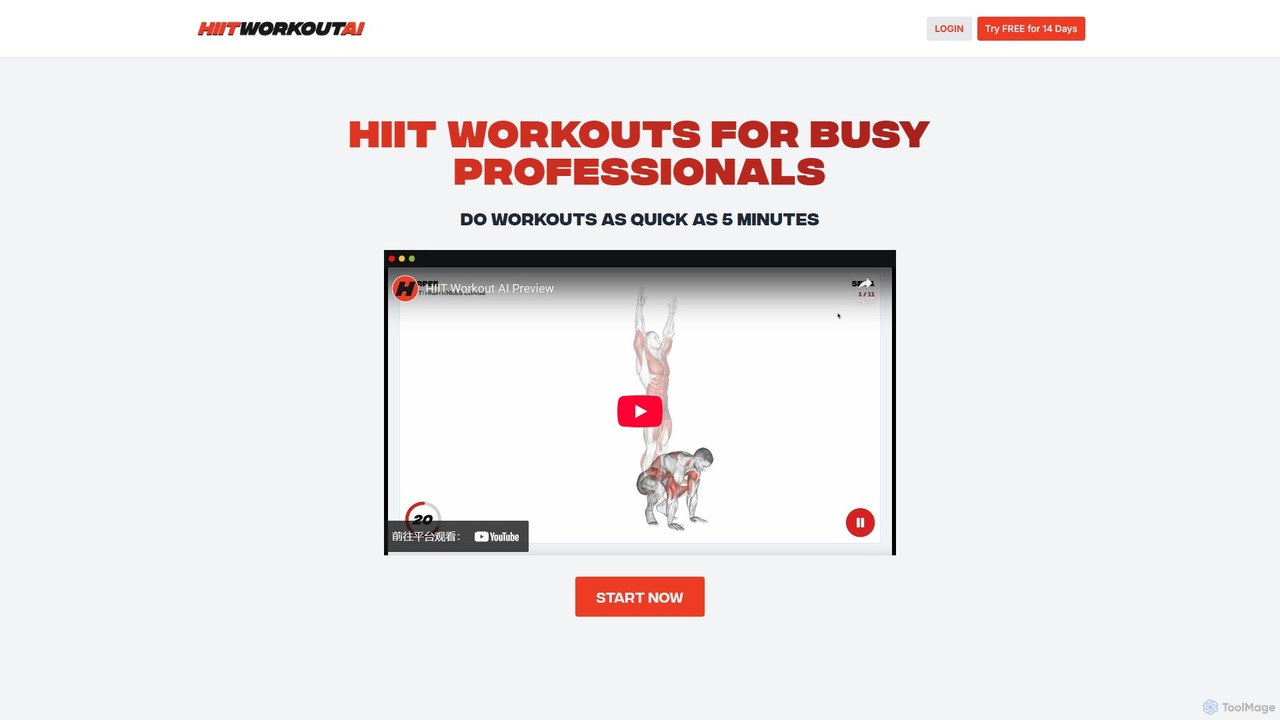
hiitworkout.ai is an AI-powered fitness platform for busy professionals. It generates personalized High-Intensity Interval Training (HIIT) workouts tailored to your goals, fitness level, and available time—even as short as 5 minutes. With over 120 bodyweight exercises, you can work out anywhere without equipment. Achieve your fitness objectives like weight loss and muscle gain efficiently and affordably, with varied routines to keep you motivated.

Workout Planning
Visits 6KFavorites 124Likes 122
LoadMuscle
Freemium

LoadMuscle

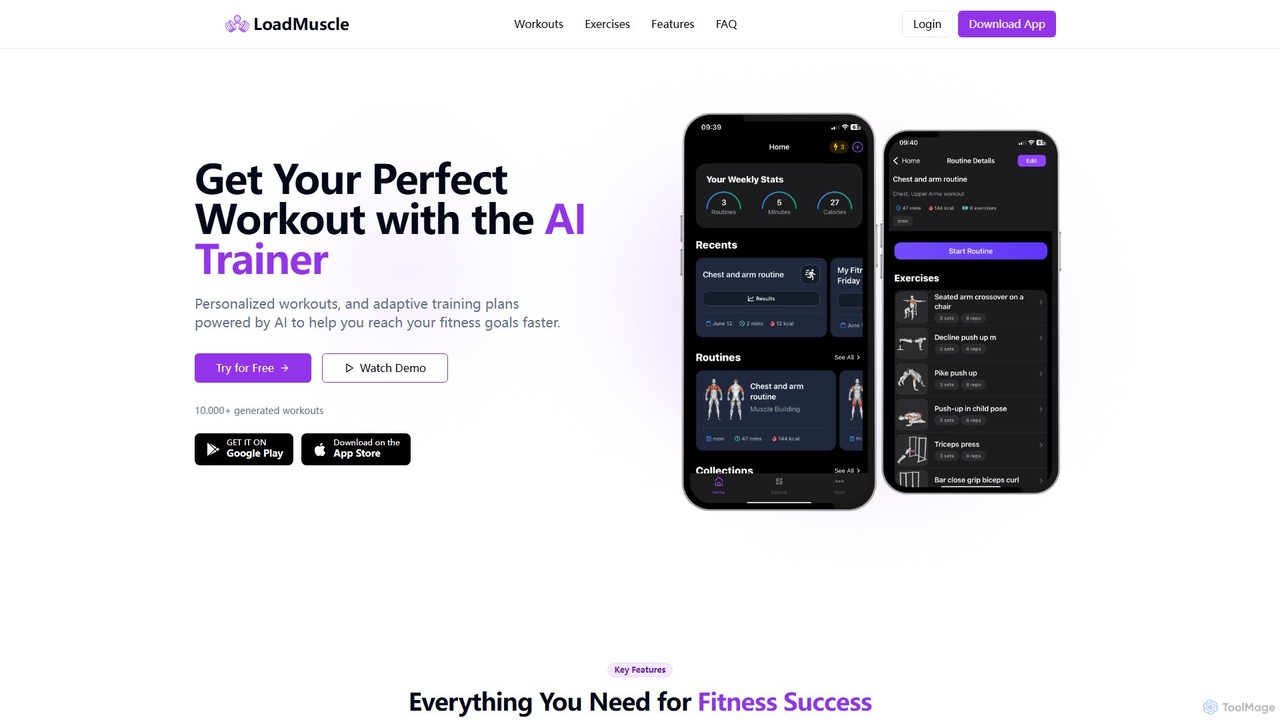
LoadMuscle is an AI-powered workout generator and personal trainer app. It creates personalized and adaptive training plans based on your goals, equipment, and fitness level to help you achieve your fitness objectives faster and more efficiently.

Workout Planning
Visits 20.6KFavorites 109Likes 102

About Workout Planning

AI Workout Planning tools are applications that leverage artificial intelligence to create personalized and adaptive fitness routines. These tools analyze user data such as fitness goals, experience level, available equipment, and performance feedback to generate dynamic training plans. Their primary value lies in providing continuously optimized workouts that evolve with the user, making professional-level fitness guidance accessible to everyone. This data-driven approach helps maximize results, prevent plateaus, and maintain motivation.

Core Features

  • Personalized Plan Generation: Creates unique workout schedules based on individual goals (e.g., weight loss, muscle gain), biometrics, and equipment access.
  • Adaptive Adjustments: Automatically modifies future workouts based on completed session data, perceived exertion, and progress over time.
  • Exercise Library & Form Guidance: Offers a vast database of exercises with video demonstrations and instructions to ensure proper technique.
  • Progress Tracking & Analytics: Visualizes performance metrics, strength gains, and consistency through charts and detailed reports.
  • Scheduling & Integration: Syncs with calendars and wearable devices to schedule workouts and incorporate health data like heart rate and sleep.

Use Cases

These tools are ideal for individuals at any fitness level, from beginners seeking structured guidance to experienced athletes aiming to break through performance plateaus. They are particularly useful for people with busy schedules needing efficient, equipment-specific workouts (e.g., home or hotel gym routines) and those training for specific events like marathons or competitions who require a structured, progressive plan.

How to Choose

When selecting an AI Workout Planning tool, consider the depth of personalization and how well it aligns with your specific goals. Evaluate the quality and variety of its exercise library and the intelligence of its adaptation algorithm—does it adjust based on meaningful feedback? Also, check for compatibility with your wearable devices for seamless data integration and consider the user interface and overall cost-effectiveness of its subscription model.

Workout Planning use cases

1

Personalized At-Home Fitness for Beginners

A user new to fitness wants to start working out at home with no equipment. They input their goal of weight loss and building basic strength. The AI generates a 4-week progressive bodyweight workout plan. After each session, the user provides feedback on difficulty. The AI uses this data to adjust the next week's plan, introducing new exercises or increasing reps to ensure continuous, manageable progress without overwhelming the user.

2

Optimizing Strength Training for Experienced Lifters

An experienced weightlifter is hitting a plateau in their bench press. They use an AI planner, inputting their current training split, max lifts, and goals. The AI analyzes their performance history and suggests a new microcycle focused on overcoming the plateau. It incorporates accessory movements to target weak points and adjusts volume and intensity based on the lifter's session-by-session feedback, helping them break through their previous limits in a data-driven way.

3

Efficient Workouts for a Busy Professional

A consultant who travels frequently needs flexible and efficient workout plans. Before a trip, they input their hotel gym's available equipment (e.g., dumbbells, treadmill) and a 30-minute time limit. The AI instantly generates a high-intensity interval training (HIIT) session tailored to these constraints. It prioritizes compound movements to maximize calorie burn and muscle engagement within the short timeframe, allowing the professional to stay consistent with their fitness routine regardless of their location.

4

Structured Marathon Training Plan

A runner signs up for their first marathon. They use an AI planner and sync it with their GPS watch. The AI creates a 16-week training schedule that intelligently balances long runs, tempo runs, recovery days, and cross-training. It analyzes pace, heart rate, and sleep data from the watch to adjust the intensity of upcoming runs, helping to prevent overtraining and reduce injury risk while ensuring the runner is optimally prepared for race day.

5

Guided Post-Injury Rehabilitation

After recovering from a minor shoulder strain, a user wants to safely return to strength training. They inform the AI planner about the injury and their physiotherapist's recommendations. The AI generates a conservative, low-impact plan focusing on mobility and strengthening supporting muscles. It avoids exercises that stress the shoulder and gradually reintroduces movements as the user reports positive, pain-free feedback, ensuring a safe and structured return to full activity.

6

Managing Plans for Multiple Personal Training Clients

A personal trainer uses an AI platform to manage ten clients with diverse goals. Instead of creating plans from scratch, the trainer inputs each client's profile and objectives. The AI generates a baseline plan for each, which the trainer then fine-tunes with their expertise. The platform allows the trainer to monitor all clients' progress remotely, view their completed workouts and feedback, and receive AI-driven suggestions for adjustments, saving significant administrative time.

Workout Planning FAQ

What are AI Workout Planning tools?

AI Workout Planning tools are digital applications that use artificial intelligence to create, manage, and adapt personalized fitness plans. Unlike static plans, they analyze your goals, fitness level, available equipment, and performance data to build a dynamic routine that evolves as you progress. Their core function is to provide automated, data-driven coaching to optimize your training for better results.

How do I choose the right AI workout planner?

To choose the right AI workout planner, consider these factors:

  • Goal Alignment: Ensure the app specializes in your goals, whether it's strength training, running, or general fitness.
  • Adaptation Method: Look into how the AI adapts. Does it use your feedback, wearable data, or both? A more sophisticated system offers better personalization.
  • Exercise Library: Check for a wide variety of exercises with clear instructions and videos to ensure proper form.
  • Device Integration: If you use a smartwatch or heart rate monitor, choose a planner that can sync with it for more accurate data.
  • User Interface and Cost: The app should be easy to use, and its subscription cost should align with the value it provides.
What's the difference between an AI workout planner and a standard fitness app?

The key difference is adaptation. A standard fitness app typically offers a library of static, pre-made workout plans that do not change based on your performance. An AI workout planner, on the other hand, acts like a virtual coach. It dynamically adjusts your future workouts based on your feedback, progress, and data from wearables. This means the plan is always tailored to your current fitness level, making it more effective for long-term progress and preventing plateaus.

What kind of data do AI workout planners use?

AI workout planners use a combination of data to personalize your plan. This typically includes:

  • Initial User Input: Your age, gender, weight, height, fitness goals, experience level, and available equipment.
  • Performance Data: Information you log during or after a workout, such as weights lifted, reps completed, and distance run.
  • Subjective Feedback: Your rating of a workout's difficulty (e.g., Rate of Perceived Exertion or RPE).
  • Biometric Data (Optional): Data from synced wearables like smartwatches, including heart rate, sleep quality, and HRV, for a more holistic view of your recovery and readiness to train.
Can AI workout planners replace a personal trainer?

AI workout planners can be a powerful and cost-effective alternative to a personal trainer, especially for motivation and creating structured, adaptive plans. They excel at data analysis and consistent plan optimization. However, they cannot replace the in-person feedback on form and technique, the nuanced motivational support, and the accountability that a human coach provides. Many people find success using AI planners as a primary tool, supplementing with occasional sessions with a trainer for form checks.