Analytics Best in category 2 results Personal Analytics AI Tool

Popular AI tools in the Personal Analytics field of Analytics include Rize、BodyMax, etc., helping you quickly improve efficiency.

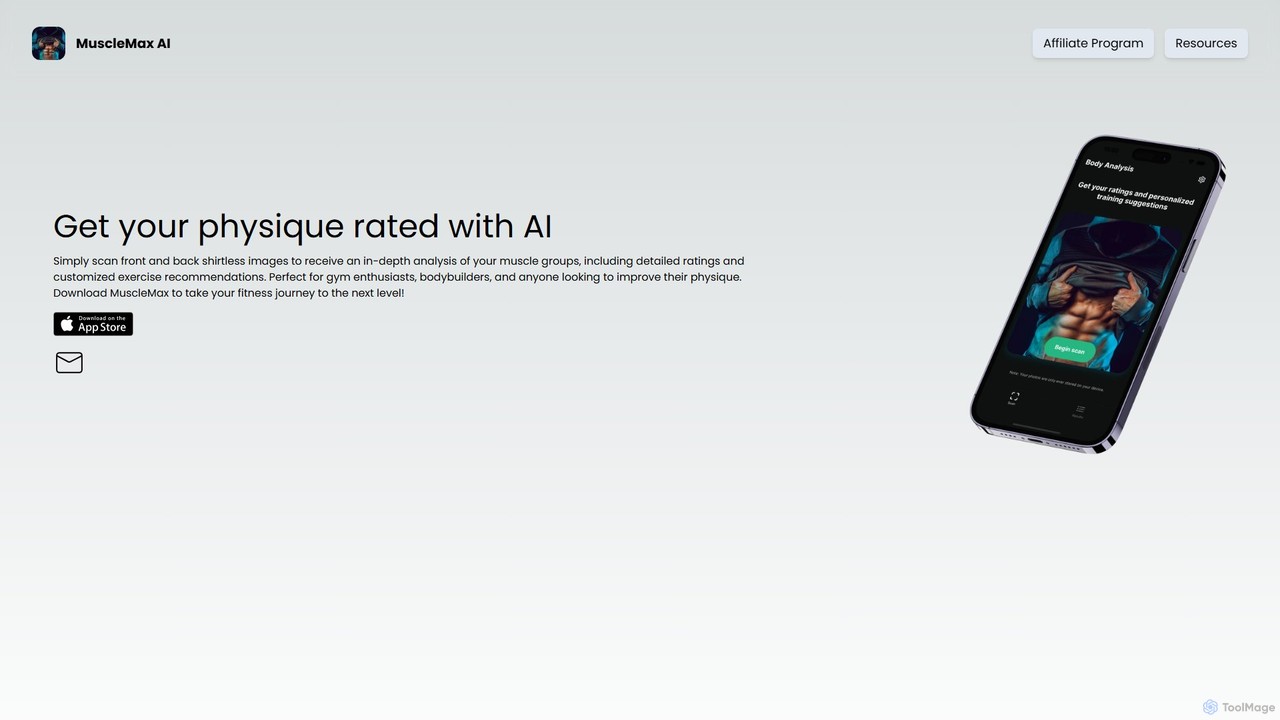
BodyMax

BodyMax

BodyMax is an AI-powered physique scanner that analyzes your body through photos. It provides in-depth ratings for muscle …

624
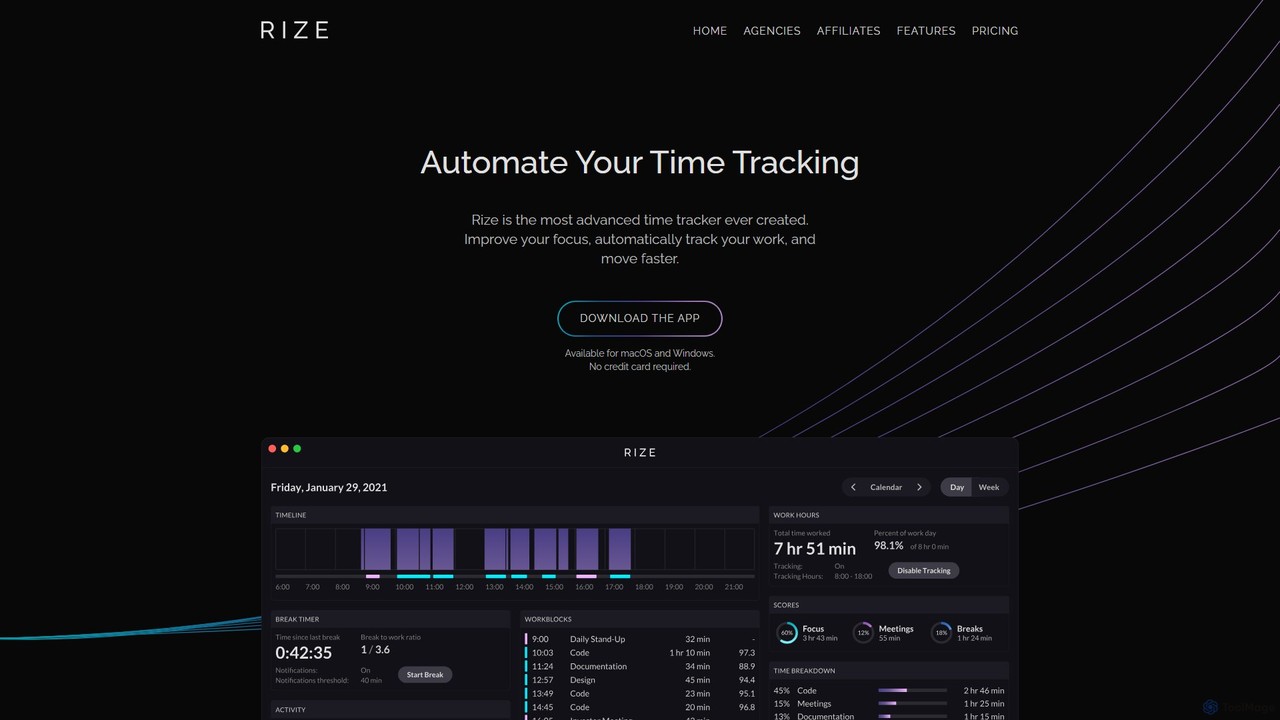
Rize

Rize

Rize is an intelligent, AI-powered time tracking application designed to boost your productivity and focus. It automatically monitors …

136.3K

About Personal Analytics

Personal Analytics tools are AI-powered applications that help individuals collect, analyze, and interpret their own personal data. These tools integrate with various sources like calendars, fitness trackers, and time-tracking apps to automatically identify patterns, habits, and correlations in daily life. By transforming raw data into actionable insights, they empower users to make informed decisions for self-improvement, productivity enhancement, and overall well-being. Unlike broader business analytics, their focus is entirely on individual-level metrics and personalized feedback loops.

Core Features

  • Data Aggregation: Automatically syncs and centralizes data from multiple personal apps and devices (e.g., health, calendar, finance).
  • Behavioral Pattern Recognition: Uses AI to detect recurring habits, productivity peaks, and correlations between different activities.
  • Goal Tracking & Progress Visualization: Allows users to set personal goals and visually monitor their progress over time through dashboards and charts.
  • Personalized Insights & Recommendations: Generates tailored suggestions based on an individual's unique data to improve routines or habits.
  • Automated Reporting: Delivers regular summaries (daily, weekly, or monthly) highlighting key trends and achievements.

Use Cases

These tools are ideal for knowledge workers, freelancers, students, and anyone interested in self-optimization. They are used to refine work schedules by identifying peak productivity hours, improve health by correlating lifestyle choices with sleep quality, and enhance financial literacy by visualizing spending habits. The core application is turning self-tracking into actionable self-improvement.

How to Choose

When selecting a Personal Analytics tool, first consider its integration capabilities—ensure it connects with the apps and devices you already use. Prioritize tools with strong privacy policies and transparent data handling practices. Evaluate the depth and actionability of the insights provided; some offer simple summaries while others provide deep, predictive analysis. Finally, assess the user interface for clarity and ease of interpretation.

Personal AnalyticsUse Cases

1

Optimize a Freelancer's Work Schedule

A freelance designer connects their time-tracking software, project management board, and digital calendar to a personal analytics tool. The AI analyzes weeks of data and identifies that their creative focus peaks between 9 AM and 11 AM. It also finds that administrative tasks done in the afternoon are completed 20% faster. Based on these insights, the tool suggests a restructured schedule: dedicating mornings to deep creative work and batching all client communication and invoicing in the afternoon. This leads to higher quality design output and frees up an average of 4 hours per week.

2

Improve Sleep Quality and Health Habits

A user syncs their fitness tracker and a food diary app with a personal analytics platform. The AI analyzes correlations between daily activities, diet, and sleep patterns. It reveals that consuming caffeine after 3 PM consistently leads to a 15% reduction in deep sleep, and that 30 minutes of moderate exercise in the morning increases overall sleep quality. The tool provides personalized notifications, such as a reminder to switch to decaf in the afternoon. By following these data-driven recommendations, the user improves their sleep score by an average of 10 points within a month.

3

Enhance Student Learning Efficiency

A university student uses a personal analytics tool to integrate their digital calendar, study timer app, and online quiz scores. The AI analyzes this data to identify optimal study patterns. It discovers that 45-minute study sessions followed by 10-minute breaks yield the highest retention rates for them, and that reviewing lecture notes within 24 hours significantly improves quiz performance. The tool helps the student build a dynamic study schedule based on these personal insights, transforming their study habits from unstructured to highly efficient, resulting in a notable improvement in their grade point average.

4

Manage Personal Finances and Spending Habits

An individual connects their bank accounts and credit cards to a personal analytics app focused on finance. The AI automatically categorizes all transactions, providing a clear visual breakdown of spending by category (e.g., groceries, entertainment, subscriptions). It identifies a recurring monthly charge for a service the user forgot they subscribed to, saving them money immediately. Furthermore, it analyzes spending trends and projects future cash flow, helping the user set a realistic budget to achieve a savings goal, like a down payment on a house, 15% faster than their original plan.

5

Track and Improve Digital Wellbeing

A professional concerned about digital burnout uses a personal analytics tool to monitor their screen time across all devices. The AI tracks time spent on different applications and websites, categorizing them as 'productive' or 'distracting'. The weekly report reveals they spend over 10 hours a week on social media during work hours. The tool allows them to set smart limits, such as blocking distracting sites during their focus blocks identified by the app. This helps them reclaim over 5 hours of productive time weekly and reduce feelings of digital fatigue.

6

Quantify Personal Development Goals

Someone learning a new language uses a personal analytics tool to track their progress. They connect their language learning app, a flashcard app, and their calendar for scheduled practice sessions. The AI visualizes their learning curve, showing vocabulary growth over time and correlating practice consistency with quiz scores. It identifies that their listening comprehension scores are lagging behind reading skills. Based on this, the tool recommends allocating more time to listening exercises. This data-driven approach helps the user stay motivated by seeing tangible progress and efficiently addresses their specific weak points.

Personal AnalyticsFrequently Asked Questions