

Freemium
Popular Personalized Recommendations AI tools in Lifestyle include Glowy AI, findcity, lipshapes, and getfitt, helping you work more efficiently.
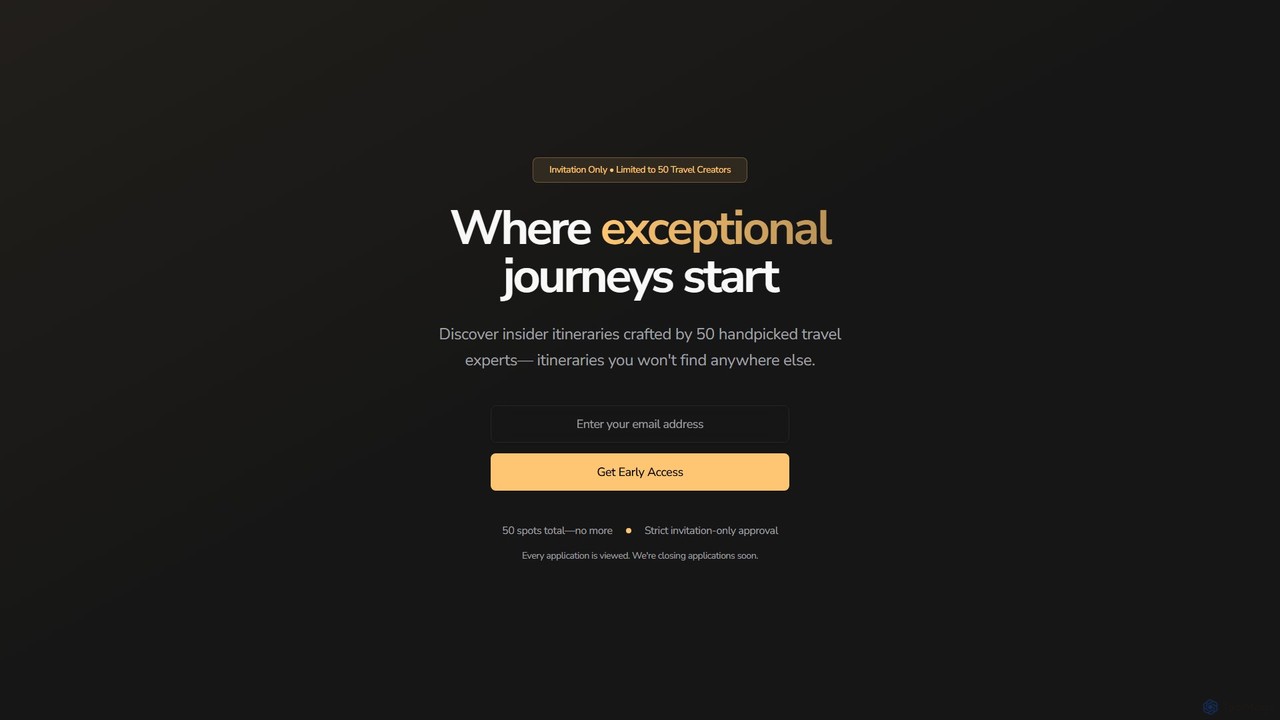
findcity is an exclusive, invitation-only travel marketplace connecting users with unique itineraries from 50 of the world's top travel creators. It uses AI to personalize recommendations, helping you discover hidden gems and authentic experiences you won't find anywhere else. For creators, it offers an 80% revenue share on every sale.
Personalized Recommendations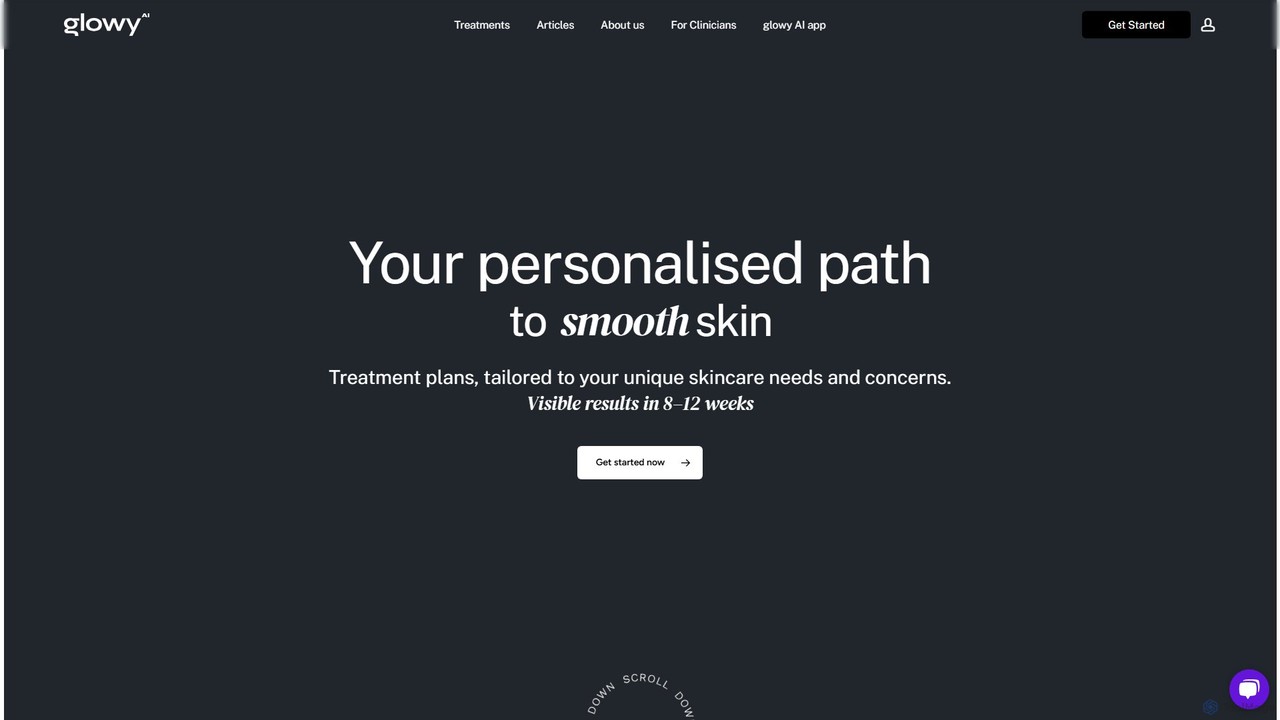
Glowy AI is an AI-powered skincare platform that delivers personalized treatment plans crafted by dermatologists. By analyzing your unique skin concerns, goals, and lifestyle through a comprehensive questionnaire, Glowy AI creates a tailored routine with product recommendations to address issues like acne, aging, dryness, and dark spots. The companion app helps you build consistent habits and track your progress towards healthier, radiant skin.
Skincare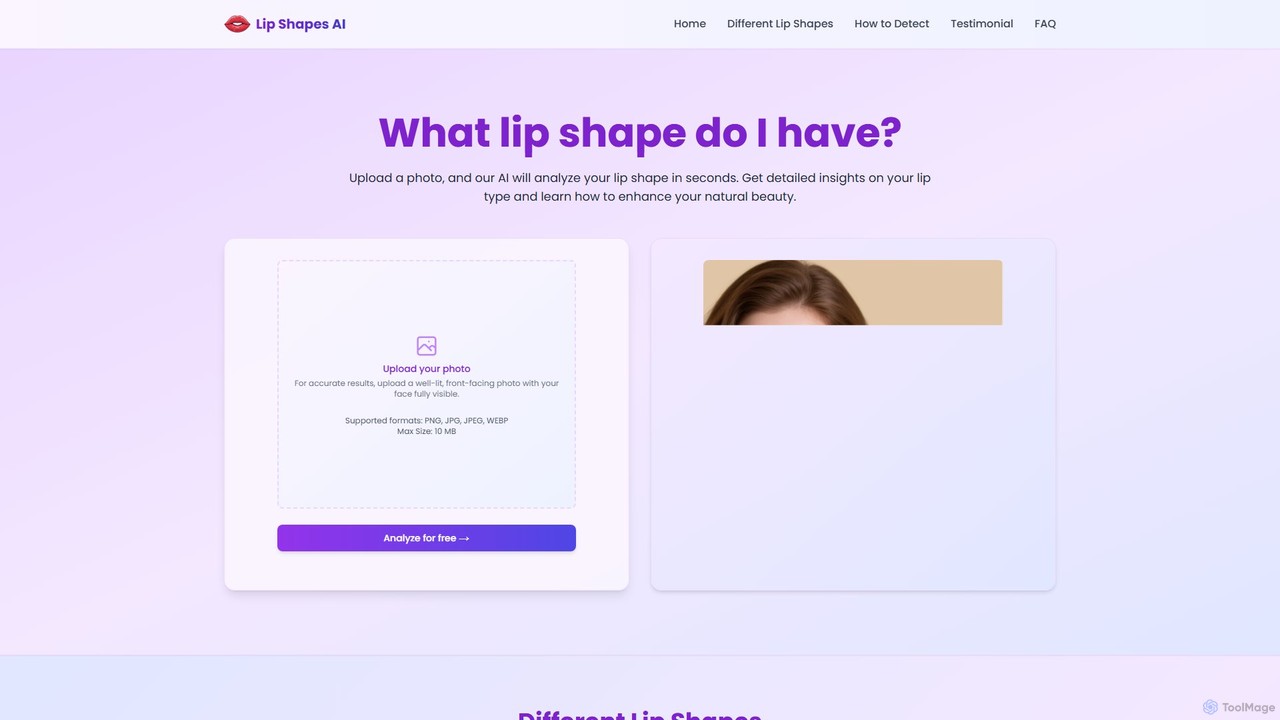
Lipshapes is a free AI-powered tool that analyzes your lip shape from a photo. Upload an image to instantly discover your lip type, receive a detailed analysis with percentage breakdowns, and get personalized makeup tips to enhance your natural beauty. It's fast, accurate, and easy to use.
BeautyPersonalized Recommendations tools are AI systems designed to predict and suggest relevant items to users, such as products, content, or services. They operate by analyzing vast amounts of data, including user behavior, historical preferences, and item attributes, using machine learning algorithms like collaborative and content-based filtering. These tools are crucial for enhancing user engagement and driving conversions by delivering tailored experiences that feel intuitive and helpful. By dynamically adapting to individual tastes, they transform generic platforms into highly personal digital environments within the broader lifestyle technology landscape.
These tools are integral to e-commerce, media streaming services, news aggregators, and online travel agencies. For instance, an online retailer uses them to power "Recommended for You" sections, while a music app suggests new artists based on listening history, directly personalizing a user's digital lifestyle.
When selecting a tool, consider the sophistication of its algorithms and whether they match your business model. Evaluate its scalability to handle your user and item volume, the ease of integration with your existing tech stack, and its data privacy and compliance features. Ensure the tool provides clear analytics to measure its impact on engagement and revenue.
An e-commerce manager for an online fashion retailer uses a personalized recommendation tool to create a dynamic shopping experience. The system analyzes a customer's browsing history, past purchases, and items in their cart. It then populates carousels on the homepage, product pages, and at checkout with relevant suggestions like "Complete the Look" or "Frequently Bought Together." This not only helps customers discover new products but also significantly increases the average order value and customer retention by making shopping feel curated and personal.
A content strategist at a video streaming service integrates a recommendation engine to combat viewer churn. The AI analyzes viewing habits, ratings, genres watched, and even the time of day a user is active. Based on this data, it curates a personalized homepage for each user, suggesting movies, TV series, and documentaries they are highly likely to enjoy. This proactive content discovery keeps users engaged with the platform, increasing watch time and reducing the likelihood of subscription cancellation.
A digital publisher for an online news portal employs a recommendation tool to deliver a tailored reading experience. The system tracks which articles a user reads, the topics they follow, and the authors they prefer. It then dynamically organizes the user's feed to prioritize stories that align with their interests, while also introducing related but new topics to broaden their engagement. This prevents information overload and increases reader loyalty by ensuring the content they see is consistently relevant and valuable.
A product manager at an online travel agency (OTA) uses a recommendation engine to provide personalized travel options. The tool considers a user's past travel destinations, hotel class preferences, budget, and recent searches for flights and accommodations. It then suggests tailored vacation packages, alternative destinations, and hotel deals that match the user's implicit and explicit preferences. This simplifies the complex travel planning process, leading to higher booking conversion rates and improved customer satisfaction.
An instructional designer for an e-learning platform leverages a personalized recommendation tool to guide students. The system assesses a student's performance on quizzes, the courses they've completed, and their stated learning goals. It then recommends the next set of courses, supplementary articles, or video tutorials to help them master a subject or acquire a new skill. This creates an adaptive learning journey that caters to individual pace and knowledge gaps, improving course completion rates and learning outcomes.
A marketing automation specialist uses a recommendation engine to power dynamic email campaigns. Instead of sending generic newsletters, the tool populates each email with product or content recommendations based on the recipient's recent website activity and purchase history. For example, an email might feature items abandoned in a shopping cart or new arrivals in a previously viewed category. This level of personalization makes marketing messages highly relevant, resulting in higher open rates, click-through rates, and direct revenue.
Personalized Recommendation tools are AI-powered systems that analyze user data to predict and suggest the most relevant items, such as products, movies, or articles. They primarily use machine learning algorithms to understand individual preferences and patterns from behavior like clicks, purchases, and ratings. The goal is to create a tailored experience that increases user engagement, satisfaction, and conversions by making discovery feel effortless and personal.
To choose the right tool, evaluate these factors:
AI recommendation systems improve user experience by reducing friction in content and product discovery. Instead of forcing users to sift through vast catalogs, they proactively surface items that align with their tastes and needs. This makes the interaction feel personal and efficient, helps users discover things they might not have found otherwise, and builds loyalty by showing that the platform understands them. It transforms a generic browsing session into a curated, personal journey.
These systems use two main types of data. First is explicit data, which is information users provide directly, like ratings, reviews, or "likes." Second is implicit data, which is gathered by observing user behavior, such as browsing history, click-through rates, search queries, time spent on a page, and purchase history. Combining both data types allows the AI to build a comprehensive and accurate user profile for making recommendations.
Sorting by popularity shows every user the same list of "most popular" or "bestselling" items, which is a one-size-fits-all approach. Personalized recommendations, in contrast, create a unique experience for each individual. They analyze a specific user's behavior and preferences to suggest items relevant *to them*, even if those items are not popular overall. This is far more effective for discovering niche interests and driving long-term engagement, making it a key tool for enhancing a user's digital lifestyle.