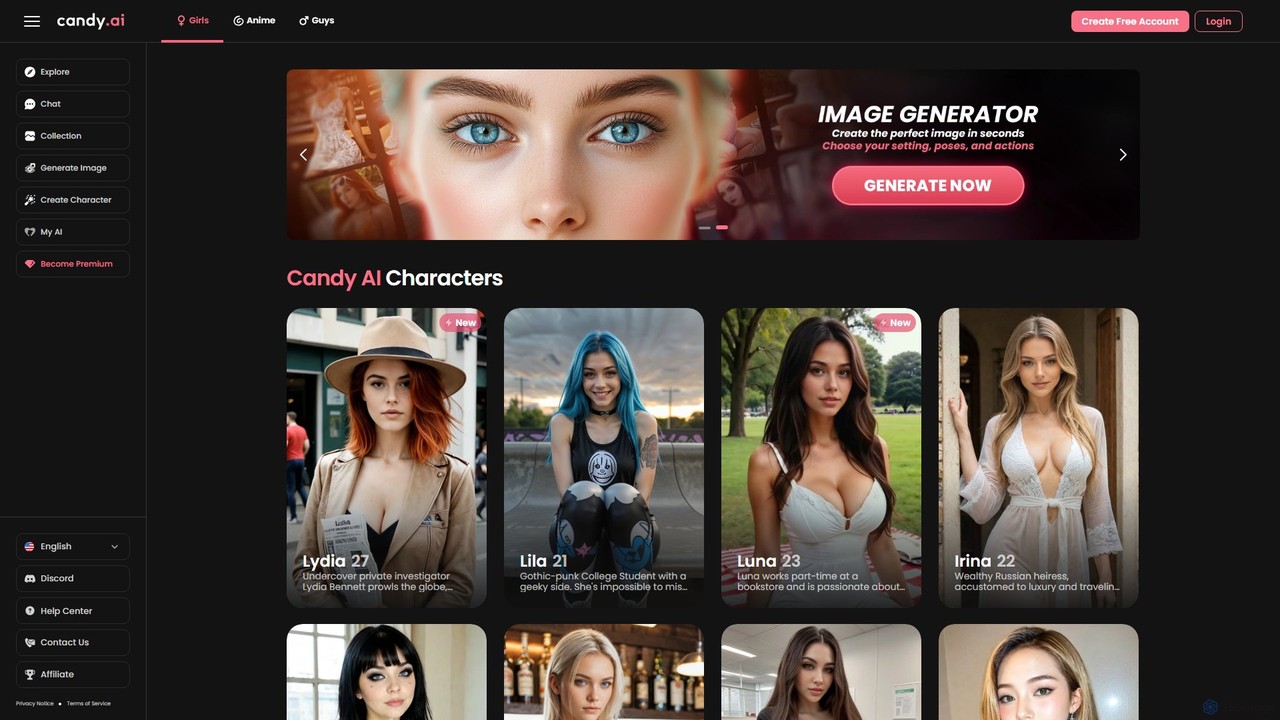
AI Roleplaying tools are applications designed for users to engage in interactive, narrative-driven conversations with AI-powered characters. These tools utilize advanced large language models (LLMs) to generate dynamic, in-character responses, maintain conversational context, and adapt storylines based on user input. They provide immersive experiences for entertainment, creative exploration, and simulated social interactions. Unlike general chatbots, AI Roleplaying tools specialize in creating persistent personas and evolving, user-influenced narratives.
Core Features
- Custom Character Creation: Define a character's personality, background, and appearance for tailored interactions.
- Dynamic Storytelling: The AI generates evolving plots and scenarios in response to user actions and dialogue.
- Long-Term Memory: The AI remembers key details from previous conversations to ensure continuity and character development.
- Multi-Character Scenarios: Engage in group chats or complex scenes involving multiple AI characters simultaneously.
- Content Filtering Controls: Options to manage the type of content and themes encountered during roleplay.
Use Cases
These tools are widely used by creative writers for character development, hobbyists seeking immersive fantasy or sci-fi adventures, and individuals looking for companionship or a safe space to practice social skills. Language learners also use them to practice conversational skills in realistic scenarios.
How to Choose
When selecting an AI Roleplaying tool, consider the depth of character customization, the AI's memory and context-retention capabilities, the platform's content policies and safety filters, and the quality of its narrative generation. Also, evaluate the user interface and whether it supports text-only or multi-modal interactions.