Lifestyle Best in category 2 results Sleep AI Tool

Popular AI tools in the Sleep field of Lifestyle include CalmAlma、SagaSwipe, etc., helping you quickly improve efficiency.

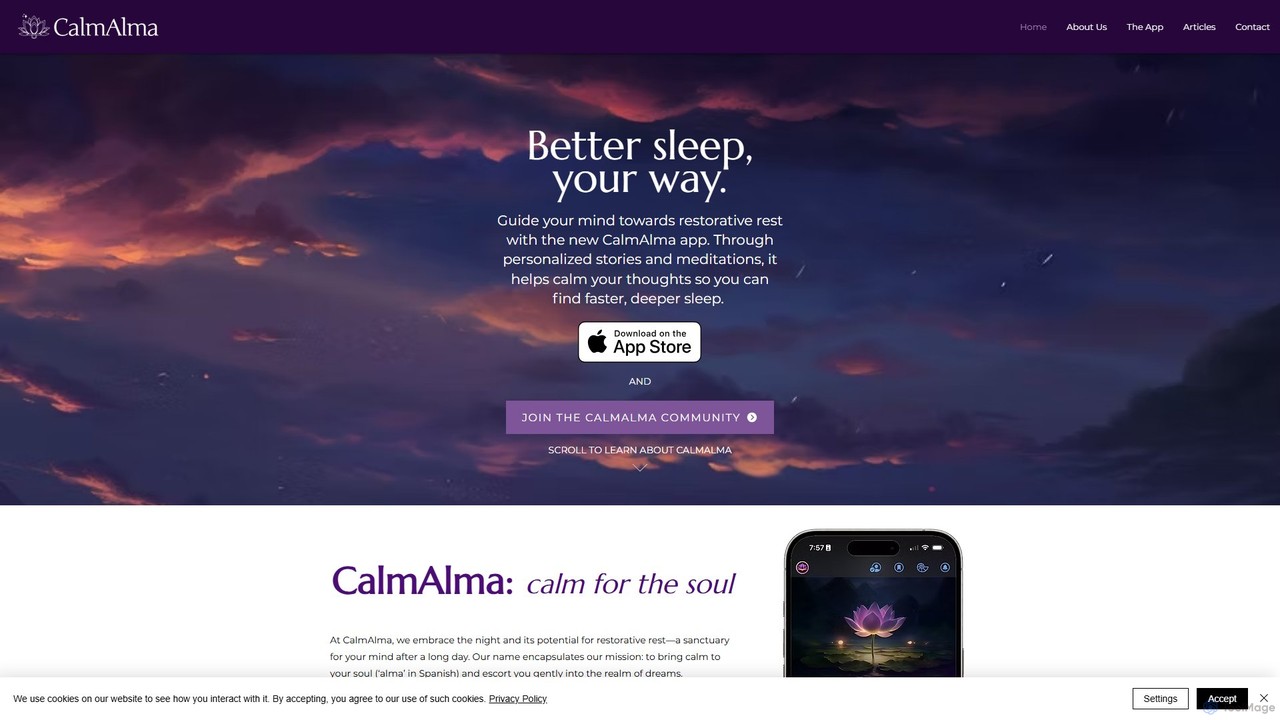
CalmAlma

CalmAlma

CalmAlma is an AI-powered sleep app that creates personalized stories and meditations to help you achieve restorative rest. …

3.1K
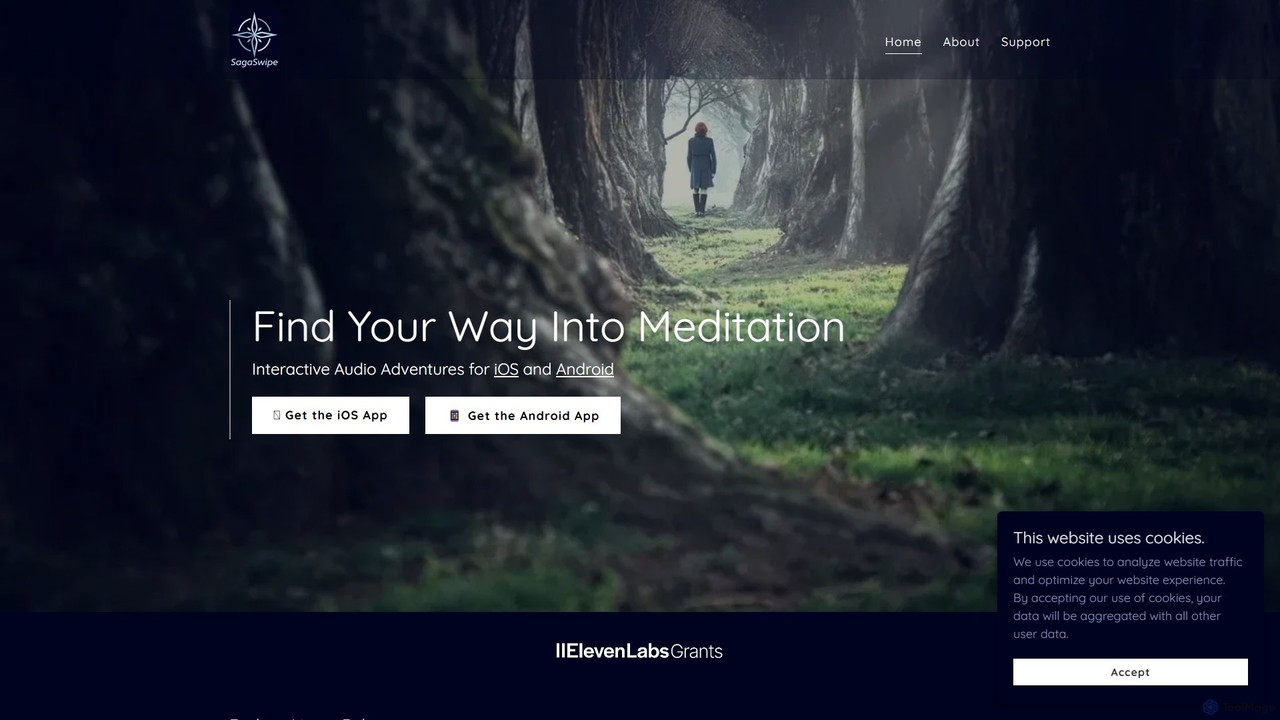
SagaSwipe

SagaSwipe

SagaSwipe is an AI-powered mobile app for iOS and Android that offers interactive audio adventures for meditation, relaxation, …

3.0K

About Sleep

AI Sleep tools are applications and devices that leverage artificial intelligence to monitor, analyze, and improve sleep quality. These tools use data from sensors to track sleep stages, breathing patterns, and movements, providing personalized insights and recommendations. Their primary value lies in transforming raw sleep data into actionable advice for better rest and overall well-being. Many also feature smart alarms and adaptive soundscapes to optimize the entire sleep cycle.

Core Features

  • Sleep Cycle Analysis: Tracks and breaks down sleep into stages like light, deep, and REM sleep.
  • Personalized Coaching: Provides AI-driven recommendations based on your unique sleep patterns and habits.
  • Smart Alarm Clock: Wakes you during the optimal light sleep phase to prevent grogginess.
  • AI Soundscapes: Generates adaptive audio to help you fall asleep faster and mask disturbances.
  • Snoring & Respiration Tracking: Uses AI to identify and analyze snoring events and breathing patterns throughout the night.

Use Cases

These tools are widely used by individuals experiencing sleep difficulties, athletes optimizing for peak performance and recovery, and anyone interested in improving their health through better sleep. They are also valuable for tracking potential sleep issues like snoring or irregular breathing patterns for discussion with a healthcare professional.

How to Choose

When selecting an AI Sleep tool, consider the tracking accuracy and method (wearable vs. non-contact). Evaluate the depth of data analysis and the quality of personalized coaching. Also, check for compatibility with other health apps like Apple Health or Google Fit and consider the pricing model, whether it's a one-time purchase or a subscription.

SleepUse Cases

1

Improving Sleep Quality for Insomniacs

For individuals struggling with insomnia or frequent awakenings, AI sleep tools offer a data-driven approach. They track sleep patterns nightly, identifying potential triggers for poor sleep, such as inconsistent bedtimes or late-night screen time. The AI coach then provides personalized, step-by-step guidance based on principles of cognitive behavioral therapy for insomnia (CBT-I), suggesting relaxation techniques and creating a consistent sleep schedule. This transforms the abstract goal of 'sleeping better' into a concrete, manageable plan.

2

Optimizing Athletic Recovery and Performance

Athletes and fitness enthusiasts use AI sleep tools to maximize physical recovery. The tools provide detailed metrics on deep sleep and REM sleep, stages crucial for muscle repair and cognitive restoration. By correlating sleep data with training intensity, the AI can recommend adjustments to workout schedules or recovery protocols. For example, after a strenuous workout, the tool might highlight the need for an earlier bedtime to ensure sufficient deep sleep, directly contributing to better performance and reducing the risk of overtraining.

3

Managing and Understanding Snoring

For individuals who snore or their partners, AI sleep tools can provide valuable insights without a clinical visit. Using the device's microphone, the AI detects and logs snoring episodes, analyzing their frequency and intensity. Some tools can even correlate snoring with sleep position or daily habits like alcohol consumption. This data helps users understand the severity of the issue and provides concrete information that can be shared with a healthcare professional for further evaluation if needed.

4

Enhancing the Morning Wake-up Experience

Instead of a jarring traditional alarm, AI sleep tools with smart alarm features offer a gentler start to the day. The user sets a wake-up window (e.g., 7:00-7:30 AM). The tool monitors sleep cycles and identifies the lightest sleep phase within that window to trigger the alarm. Waking up from light sleep, rather than deep sleep, helps reduce sleep inertia, making users feel more refreshed and alert upon waking, which can improve mood and productivity for the entire day.

5

Creating a Personalized Sleep Environment

Remote workers or frequent travelers can use AI-generated soundscapes to create an ideal sleep environment anywhere. The tool generates adaptive audio, like pink noise or calming nature sounds, that can mask disruptive background noise from traffic or a hotel. Some advanced tools adjust the sound in real-time based on the user's sleep stage or heart rate, providing deeper sound during light sleep phases to prevent awakenings and ensuring a consistent, peaceful auditory setting throughout the night.

6

Tracking Long-Term Sleep Trends for Health

Health-conscious individuals use these tools for long-term bio-tracking. By consistently logging sleep data, users can identify trends and correlations between their lifestyle choices and sleep quality. For example, they might discover that alcohol consumption reduces their REM sleep or that meditation before bed increases their deep sleep percentage. This long-term data provides a holistic view of their sleep health, empowering them to make informed lifestyle changes that go beyond just sleep, impacting overall wellness.

SleepFrequently Asked Questions