ToolMage
Sign in

Best 1 Stress Relief AI tools for Lifestyle

Popular Stress Relief AI tools in Lifestyle include KawaiiColoring, helping you work more efficiently.

KawaiiColoring
Free

KawaiiColoring

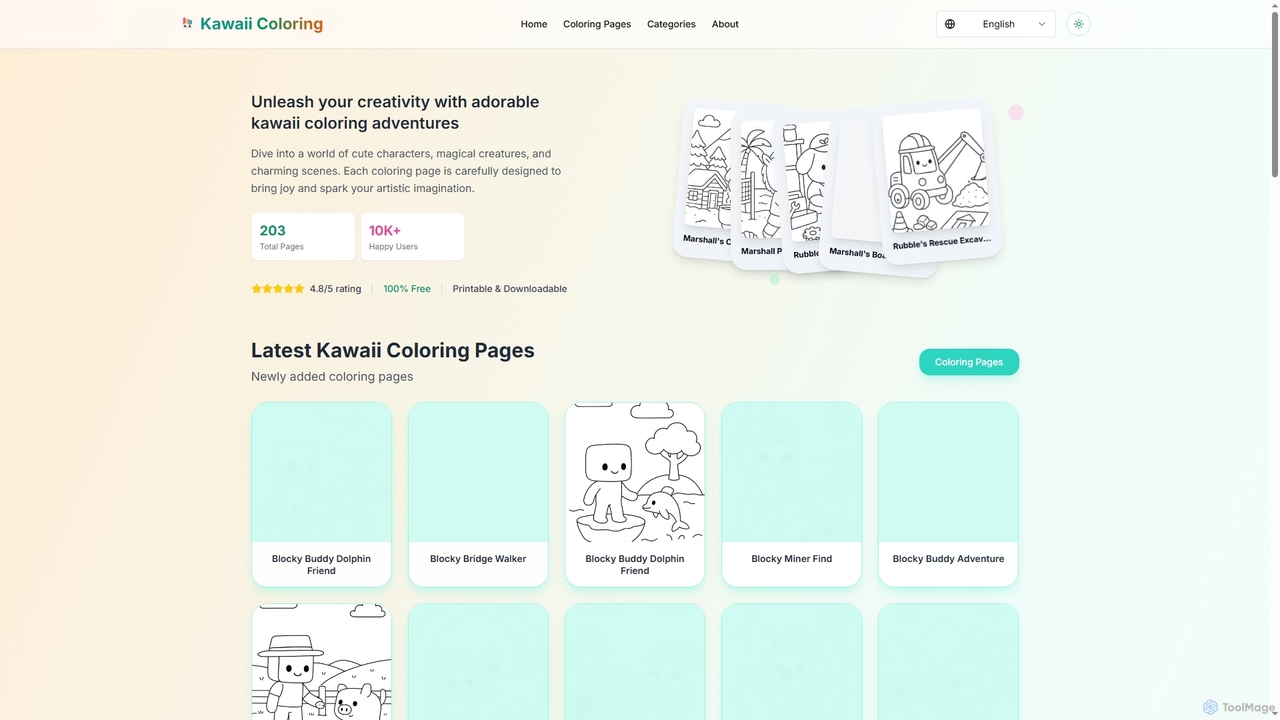
KawaiiColoring is a free online platform offering a vast collection of adorable, high-quality kawaii-style coloring pages. Designed for all ages, it provides a therapeutic and creative outlet for stress relief and mindfulness. Users can easily browse diverse themes like cute animals, fantasy worlds, and holiday specials, then download and print pages for personal use. It's a perfect family-friendly activity that fosters creativity and is completely free of charge.

Coloring
Visits 6KFavorites 124Likes 128

About Stress Relief

AI Stress Relief tools are applications designed to help users manage anxiety, reduce stress, and improve mental well-being through personalized, data-driven guidance. These tools often leverage techniques from cognitive behavioral therapy (CBT), mindfulness, and biofeedback, using AI to adapt exercises and content to an individual's real-time emotional state and historical patterns. They provide accessible, on-demand support for mental wellness, making it easier to build healthy coping mechanisms. The core advantage lies in their ability to offer personalized interventions, such as guided meditations tailored to a user's heart rate or interactive chats that help reframe negative thoughts.

Core Features

  • AI-Guided Meditation: Delivers personalized mindfulness and breathing exercises that adapt based on user feedback or biometric data.
  • CBT Chatbots: Provides interactive, text-based therapy sessions to help users identify and challenge negative thought patterns.
  • Biofeedback Integration: Analyzes physiological data from wearables (e.g., heart rate, sleep quality) to offer tailored stress-reduction advice.
  • Mood Tracking & Analysis: Uses AI to identify patterns and potential triggers from user-logged mood data, offering insights into emotional health.
  • Personalized Soundscapes: Generates calming audio environments, such as white noise or nature sounds, optimized for relaxation or focus.

Use Cases

These tools are widely used by professionals seeking to manage workplace stress, students aiming to improve focus and reduce exam anxiety, and individuals looking for daily support in managing their mental well-being. They are particularly effective for developing consistent mindfulness habits, getting immediate support during moments of high anxiety, and understanding long-term emotional trends.

How to Choose

When selecting an AI Stress Relief tool, consider the primary methodology used (e.g., CBT, mindfulness, biofeedback) and which aligns best with your needs. Evaluate the level of personalization and whether it integrates with your existing health apps or wearables. Data privacy and security policies are crucial, as you will be sharing sensitive personal information. Finally, check for scientific backing or the involvement of mental health professionals in the app's design.

Stress Relief use cases

1

Daily Stress Management for Professionals

A project manager feeling overwhelmed by deadlines uses an AI stress relief app during a short break. They select a 5-minute guided breathing exercise. The app's AI might use the phone's microphone to analyze breathing patterns or connect to a smartwatch to monitor heart rate, providing real-time feedback to help them deepen their breaths and slow their heart rate. This quick intervention helps them regain focus and approach their tasks with a clearer mind, reducing the risk of burnout.

2

Improving Sleep Quality with Personalized Soundscapes

An individual struggling with insomnia uses an AI tool to improve their sleep hygiene. Before bed, the app asks about their day's stress levels and energy. Based on this input, the AI generates a unique, calming soundscape—perhaps combining gentle rain sounds with a low-frequency binaural beat. The tool can also integrate with a sleep tracker to analyze sleep quality and adjust the soundscapes for future nights, helping the user establish a more consistent and restful sleep pattern over time.

3

Managing Anxiety with a CBT Chatbot

A student feeling anxious about an upcoming exam interacts with an AI-powered CBT chatbot. The chatbot guides them through a conversation to identify their anxious thoughts, such as "I'm going to fail." It then helps them challenge this thought by asking for evidence and suggesting alternative, more balanced perspectives, like "I've studied hard and I'm prepared to do my best." This structured process helps the student reframe their mindset, reducing anxiety and building confidence before the test.

4

Emotional Pattern Recognition via Mood Tracking

A user wants to better understand their emotional fluctuations. They consistently log their mood, activities, and social interactions in an AI app for several weeks. The AI analyzes this data to identify correlations, presenting insights like: "We've noticed your mood tends to be lower on days after you sleep less than 6 hours," or "Your reported happiness is highest after you engage in outdoor activities." These data-driven insights help the user make proactive lifestyle changes to support their mental well-being.

5

Biofeedback for Post-Workout Relaxation

After an intense workout, an athlete uses a stress relief app connected to their heart rate monitor. The app visualizes their heart rate variability (HRV), a key indicator of stress. It then initiates a paced breathing exercise, showing a visual guide that expands and contracts. As the athlete synchronizes their breathing with the guide, they can see their HRV score improve in real-time on the screen. This biofeedback loop trains them to consciously regulate their physiological state, accelerating recovery and reducing post-exercise stress.

6

On-Demand Support for Panic Attacks

Someone prone to panic attacks feels the initial symptoms while in a public place. They discreetly open an AI stress relief app on their phone and activate an emergency 'grounding' feature. The AI immediately starts a calming audio guide, prompting them to focus on their senses: "Name three things you can see... two things you can hear... one thing you can feel." This guided sensory focus, delivered instantly, helps distract from the overwhelming feelings of panic and anchors them in the present moment, potentially de-escalating the attack.

Stress Relief FAQ

What are AI Stress Relief tools?

AI Stress Relief tools are digital applications that use artificial intelligence to provide personalized support for mental well-being. They go beyond simple content libraries by actively adapting to the user. Core features often include AI-guided meditations that change based on your feedback, interactive chatbots using principles of Cognitive Behavioral Therapy (CBT), and analysis of biometric data from wearables to offer tailored advice. Their main purpose is to make mental wellness support more accessible, personalized, and available on-demand.

How do AI tools help with stress relief?

AI enhances stress relief tools by providing personalization and real-time feedback. Instead of a one-size-fits-all approach, AI can:

  • Personalize Content: Suggest specific meditations or exercises based on your logged mood or stated goals.
  • Adapt in Real-Time: Adjust the pace of a breathing exercise based on your heart rate data from a wearable.
  • Identify Patterns: Analyze your mood journal to find correlations between activities and stress levels that you might not notice yourself.
  • Provide Interaction: Offer guided conversations through CBT chatbots to help you work through anxious thoughts whenever they arise.

This data-driven approach helps create a more effective and engaging experience tailored to your individual needs.

Are AI Stress Relief tools a replacement for professional therapy?

No, AI Stress Relief tools are not a replacement for professional therapy or medical advice. They should be considered as supportive tools for managing everyday stress and building healthy mental habits. While they can be very effective for mild to moderate stress and anxiety, they cannot diagnose conditions or provide the nuanced, in-depth support that a licensed therapist or counselor can. They are best used as a supplement to professional care or for individuals seeking accessible, daily wellness maintenance.

How to choose the right AI Stress Relief tool?

Choosing the right tool depends on your personal needs and preferences. Consider the following factors:

  • Primary Goal: Are you looking to improve sleep, manage anxiety, or simply practice daily mindfulness? Choose a tool that specializes in your area of need.
  • Methodology: Do you prefer guided meditations, interactive CBT exercises, or data-driven insights from biofeedback? Research the scientific approach behind the app.
  • Data Privacy: Read the privacy policy carefully. Understand how your sensitive mood and health data is stored and used.
  • Integration: If you use a smartwatch or fitness tracker, check if the app can integrate with it to provide more personalized feedback.
  • User Experience: Try a few options. A clean, intuitive interface is crucial for a tool you'll be using to find calm, not create more frustration.
What's the difference between a standard meditation app and an AI stress relief tool?

The key difference is personalization and interactivity. A standard meditation app typically offers a static library of pre-recorded audio or video sessions. You browse and choose what you think you need. An AI-powered stress relief tool, on the other hand, actively guides you. It might ask how you're feeling and recommend a specific exercise, analyze your heart rate to adjust a session's pacing, or use a chatbot to engage you in a therapeutic conversation. In essence, AI tools aim to be a dynamic, responsive partner in your wellness journey, rather than just a passive library of content.