
ToolMage
Sign in

Best 1 Sustainable Living AI tools for Lifestyle

Popular Sustainable Living AI tools in Lifestyle include shopencore, helping you work more efficiently.

shopencore
Free

shopencore

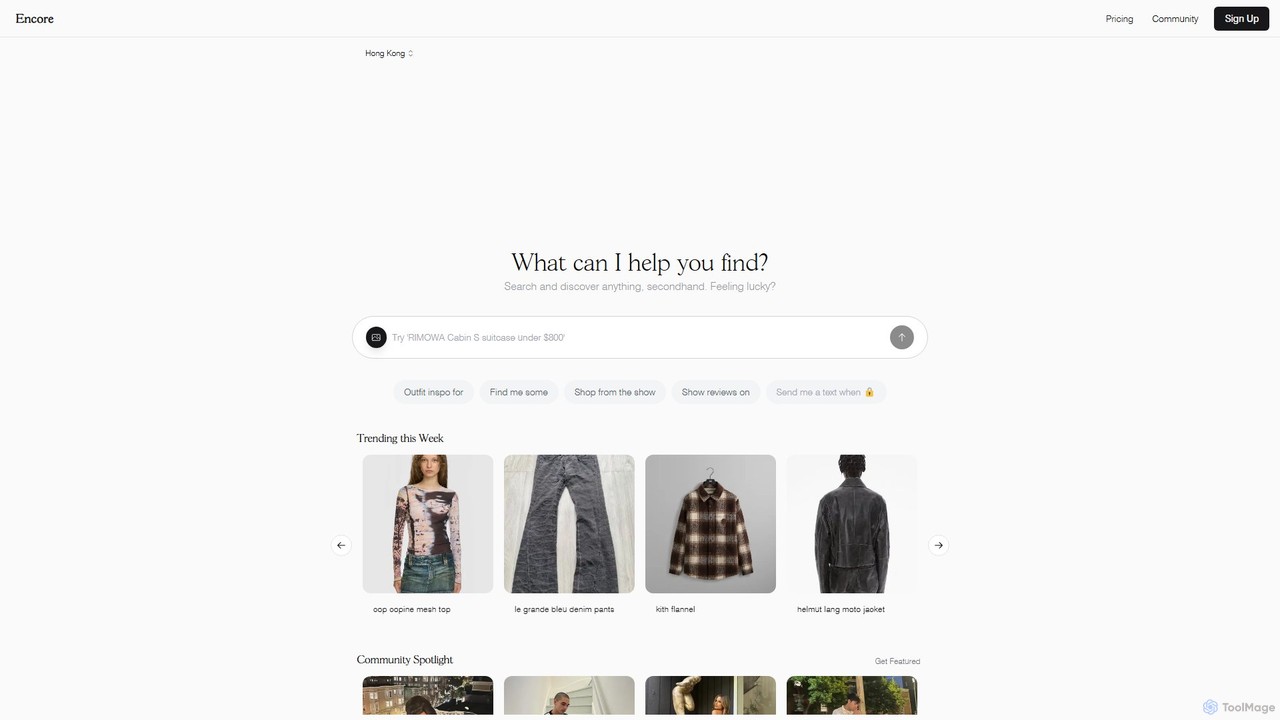
An AI-powered search engine for the secondhand market. Use natural language or image uploads to discover and compare deals on vintage fashion, furniture, electronics, and collectibles from across the web, all in one place.

Price Comparison
Visits 26.2KFavorites 168Likes 161

About Sustainable Living

AI Sustainable Living tools are applications that leverage artificial intelligence to help users adopt and maintain environmentally friendly habits. These tools analyze personal data on consumption, waste, and energy use to provide personalized insights and actionable recommendations. They empower individuals to make informed decisions that reduce their ecological footprint and contribute to a more sustainable lifestyle. By translating complex environmental data into simple, daily actions, these tools make sustainable living more accessible and manageable.

Core Features

  • Carbon Footprint Tracking: Automatically calculates your environmental impact based on activities like travel, diet, and energy consumption.
  • Waste Recognition & Sorting: Uses image recognition to identify items and provide accurate recycling or composting instructions.
  • Sustainable Product Scanner: Analyzes product barcodes or labels to offer information on ethical sourcing, eco-friendly materials, and corporate responsibility.
  • Energy Use Optimization: Connects with smart home devices to monitor energy consumption and suggests ways to reduce waste.
  • Personalized Eco-Challenges: Generates tailored goals and tips to encourage gradual and consistent habit changes.

Use Cases

These tools are ideal for environmentally conscious individuals and families seeking to quantify and reduce their impact. They are used by city dwellers trying to minimize waste, homeowners looking to improve energy efficiency, and consumers who want to make ethical purchasing decisions. They also serve as educational resources in schools and communities to promote environmental awareness.

How to Choose

When selecting an AI Sustainable Living tool, consider the accuracy of its data and calculation models. Evaluate the level of personalization and whether the recommendations fit your specific lifestyle. Check for integration capabilities with other apps or smart devices you use. Finally, review the app's data privacy policy to ensure your personal information is handled responsibly.

Sustainable Living use cases

1

Optimize Household Waste Management

A family uses an AI sustainable living app to reduce their landfill waste. By taking photos of their trash bags before disposal, the AI analyzes the contents using image recognition. It identifies recyclable materials, compostable food scraps, and non-recyclable items. The app then generates a weekly report showing their waste breakdown and provides actionable tips, such as proper sorting techniques and recipes to use up food scraps. This process helps them reduce their landfill contribution by over 30% and makes recycling a more intuitive daily habit.

2

Track and Reduce Personal Carbon Footprint

An environmentally conscious professional uses an AI tool to monitor their carbon footprint. By connecting the app to their calendar, ride-sharing accounts, and email for flight receipts, the AI automatically calculates emissions from their daily commute and business travel. It provides a real-time dashboard visualizing their impact against a personal monthly goal. The tool also suggests lower-carbon alternatives, such as specific public transport routes or direct flight options, helping the user reduce their travel-related emissions by 15% within three months.

3

Make Informed, Ethical Shopping Choices

While grocery shopping, a consumer uses an AI-powered app to make sustainable choices. They scan the barcode of a coffee product, and the AI instantly provides a sustainability score based on factors like fair trade certification, packaging recyclability, and the brand's corporate environmental policies. The app also suggests alternative products available in the same store with higher sustainability ratings. This allows the consumer to switch to brands that align with their values, directly supporting ethical and environmentally friendly practices without extensive prior research.

4

Optimize Home Energy Consumption

A homeowner connects an AI sustainable living tool to their smart meter and thermostat. The AI learns the household's energy usage patterns and identifies periods of high, inefficient consumption. It then provides personalized recommendations, such as adjusting the thermostat by a few degrees during peak hours or running appliances like the dishwasher at night. The system can also automatically optimize the smart thermostat's schedule for maximum efficiency, leading to a noticeable reduction in their monthly electricity bill and overall energy usage without sacrificing comfort.

5

Plan Sustainable and Low-Impact Meals

A user interested in sustainable eating uses an AI meal planner. They input their dietary preferences, location, and budget. The AI then generates a weekly meal plan that prioritizes locally sourced, in-season ingredients to minimize food miles. It also suggests recipes that use all parts of an ingredient (e.g., using vegetable peels for stock) to reduce food waste. The tool automatically creates a shopping list, helping the user buy only what they need and avoid impulse purchases, leading to less food waste and a lower dietary carbon footprint.

6

Monitor and Reduce Water Consumption

A user installs an AI-powered water monitoring device that integrates with a sustainable living app. The AI analyzes real-time water flow data from showers, faucets, and appliances. It identifies high-usage habits, such as long showers or running the tap while brushing teeth, and sends gentle, real-time alerts to encourage behavioral change. The system can also detect anomalies like leaks and immediately notify the user. Over time, this data-driven feedback helps the household become more mindful of their water usage, resulting in a significant reduction in their water bill and conservation of a vital resource.

Sustainable Living FAQ

What are AI Sustainable Living tools?

AI Sustainable Living tools are digital applications that use artificial intelligence to help individuals monitor, understand, and reduce their environmental impact. They function by collecting and analyzing data about a user's daily activities, such as energy consumption, travel habits, shopping choices, and waste generation. Based on this analysis, the tools provide personalized feedback, actionable recommendations, and educational content to guide users toward a more sustainable lifestyle. Their primary goal is to make eco-friendly choices easier and more data-driven.

How to choose the right AI tool for sustainable living?

Choosing the right tool depends on your specific goals. Consider the following factors:

  • Focus Area: Determine if you want to focus on waste reduction, carbon footprint, energy use, or ethical shopping. Choose a tool that specializes in your area of interest.
  • Data Input Method: Check how the tool collects data. Some require manual entry, while others offer automated tracking through integrations with other apps or smart devices. Select one that fits your lifestyle.
  • Accuracy and Transparency: Look for tools that are transparent about their data sources and calculation methodologies. Accuracy is key for meaningful insights.
  • User Experience: The tool should be intuitive and present information clearly. A good user interface will make it easier to stick with new habits.
  • Privacy Policy: Since these apps handle personal data, ensure you are comfortable with their privacy policy and how your information is used.
How do AI sustainable living tools differ from standard environmental apps?

The key difference lies in personalization and automation. Standard environmental apps often provide generic information, checklists, or simple calculators. AI Sustainable Living tools go a step further by:

  • Learning User Patterns: They use machine learning to understand individual habits and provide tailored, context-aware recommendations rather than one-size-fits-all advice.
  • Automating Data Collection: Many AI tools can automatically gather data from connected services (like utility bills or travel apps), reducing the need for constant manual input.
  • Predictive Insights: AI can forecast future impact based on current behavior, helping users understand the long-term consequences of their choices and motivating proactive changes.
  • Dynamic Feedback: Instead of static tips, AI tools can offer real-time feedback and adjust their suggestions as a user's habits evolve.
What specific data do these AI tools typically analyze?

AI Sustainable Living tools analyze a wide range of data points to build a comprehensive picture of a user's environmental impact. Common data types include:

  • Utility Data: Electricity, gas, and water bills to track household consumption.
  • Transportation Data: GPS data, ride-sharing history, and flight confirmations to calculate travel emissions.
  • Purchase History: E-receipts or scanned barcodes to analyze the sustainability of products bought.
  • Food Logs: Manually entered dietary information to estimate the carbon footprint of meals.
  • Image Data: Photos of waste or products for AI-powered recognition and classification.
  • Smart Device Data: Real-time information from smart thermostats, plugs, and meters for energy optimization.
Can these tools genuinely help reduce my environmental impact?

Yes, these tools can be highly effective, but their success depends on user engagement. They genuinely help by translating abstract environmental concepts into concrete, measurable actions. By providing clear data on personal impact, they raise awareness and highlight areas for improvement that users might not have considered. The personalized tips and challenges make it easier to build and maintain new habits. Ultimately, the AI tool is a guide and a motivator; the actual reduction in environmental impact comes from the user acting on the insights provided.