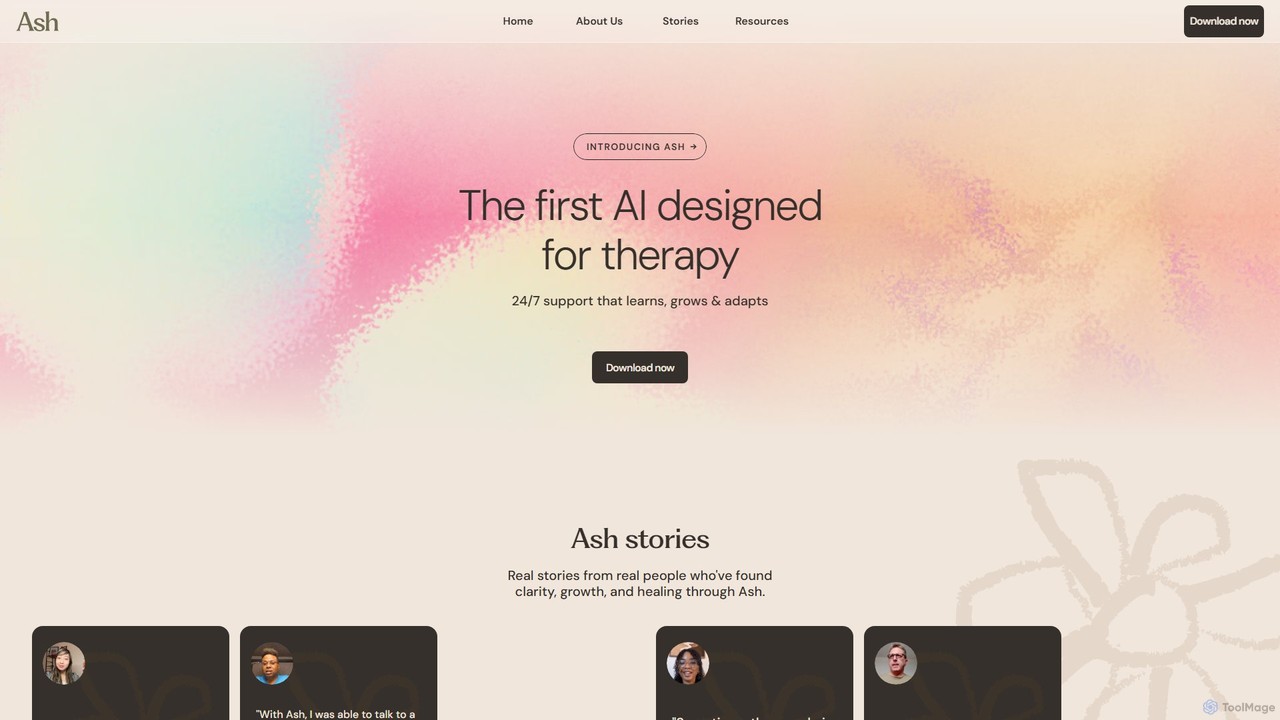
AI Therapy tools are a category of AI-powered applications designed to support mental well-being, emotional health, and personal growth. These tools leverage artificial intelligence, natural language processing, and machine learning to offer personalized support, deliver evidence-based therapeutic techniques, and facilitate emotional tracking. They provide accessible, confidential, and often on-demand resources for managing stress, anxiety, and mild depression, serving as a valuable complement to traditional therapy or a primary resource for self-improvement within a holistic lifestyle approach.
Core Features
- Personalized Support: Offers tailored conversational interactions and content based on user input and emotional state.
- Cognitive Behavioral Techniques (CBT): Guides users through exercises to identify and challenge negative thought patterns and behaviors.
- Mood Tracking & Analysis: Allows users to log emotions and provides insights into mood patterns and potential triggers over time.
- Mindfulness & Meditation: Delivers guided sessions and exercises to promote relaxation, focus, and emotional regulation.
- Crisis Resource Integration: Provides immediate access to emergency helplines and professional support networks when needed.
Use Cases
Individuals integrate AI Therapy tools into their daily routines for proactive mental wellness. They are used for managing everyday stress, developing coping strategies for anxiety, and practicing self-compassion. These tools also serve as a supplementary resource for those undergoing professional therapy, helping to reinforce learned techniques and maintain progress between sessions.
How to Choose
When selecting an AI Therapy tool, prioritize data privacy and security, ensuring sensitive personal information is protected. Look for tools that utilize evidence-based therapeutic approaches, such as CBT or mindfulness. Consider the level of personalization offered, the range of features (e.g., mood tracking, guided exercises), and the cost-effectiveness, including subscription models or free tiers. User interface and ease of integration into your daily routine are also important factors.