
ToolMage
Sign in

Best 1 Companion AI tools for Chatbots

Popular Companion AI tools in Chatbots include talktoash, helping you work more efficiently.

talktoash
Freemium

talktoash

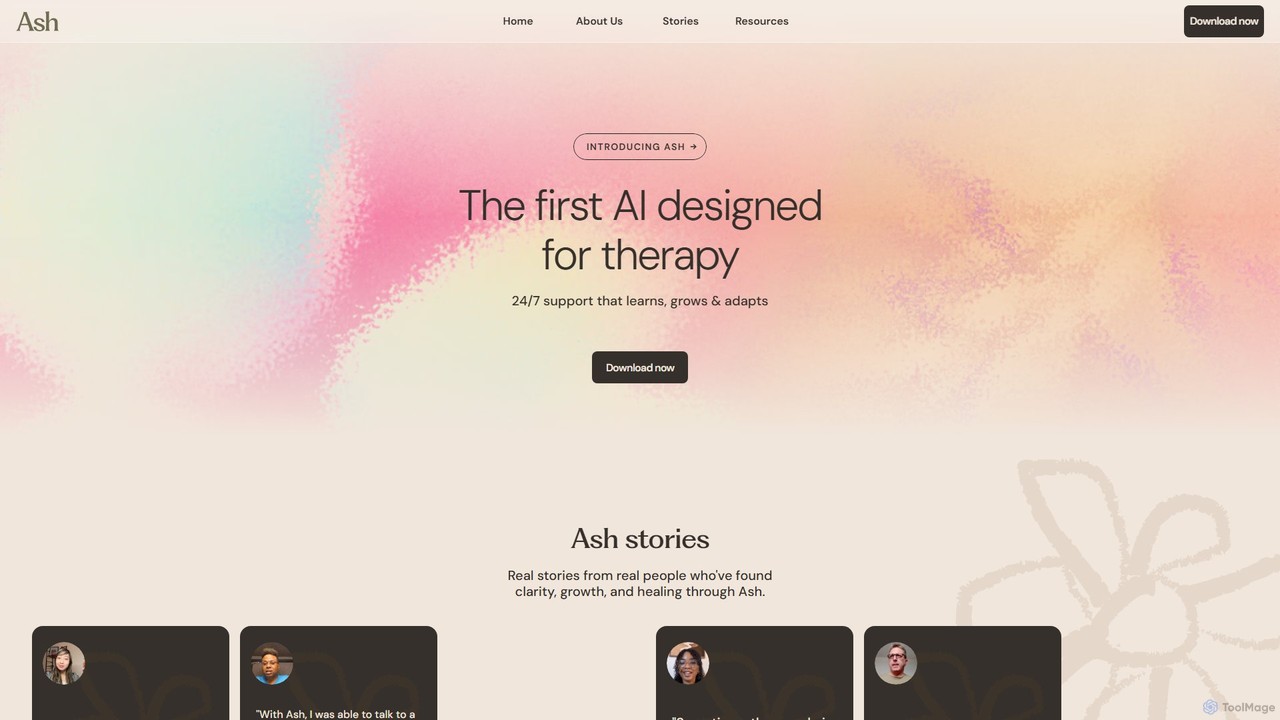
talktoash is a personal AI therapist designed for 24/7 mental health support. Through text or voice conversations, it learns about you, helps identify patterns in your thoughts and behaviors, and provides a non-judgmental space for self-reflection and growth. It's a private, accessible, and affordable supplement to traditional therapy.

Companion
Visits 71.8KFavorites 141Likes 126

About Companion

AI Companions are a specialized type of chatbot designed to provide personalized, empathetic conversation and emotional support. Unlike task-oriented bots, they leverage advanced natural language processing (NLP) and memory systems to build a sense of relationship and continuity over time. Their primary value is to offer a non-judgmental space for users to express themselves, combat feelings of loneliness, and engage in supportive dialogue. These tools focus on simulating personality and emotional intelligence to create a unique, personal user experience.

Core Features

  • Emotional Recognition: Analyzes text to understand the user's mood and responds with appropriate empathy.
  • Long-Term Memory: Remembers key details from past conversations to maintain context and personalize interactions.
  • Personality Customization: Allows users to shape the AI's traits, interests, and communication style.
  • Proactive Engagement: Can initiate conversations, check in on the user's well-being, and offer encouragement.
  • Guided Activities: Offers structured exercises like journaling, meditation, or goal-setting to support mental wellness.

Use Cases

AI Companions are primarily used by individuals seeking a consistent and private conversational partner. They are valuable for people experiencing loneliness, those wanting to practice social skills in a safe environment, or anyone needing a non-judgmental outlet to process thoughts and emotions. They also serve as tools for mental wellness, helping users track their mood and build positive habits through guided interaction.

How to Choose

When selecting an AI Companion, prioritize the privacy policy to ensure your personal conversations are secure. Evaluate the depth of its personalization options and the quality of its conversational abilities—does it feel natural and maintain context? Also, consider the platform availability (mobile, web) and the subscription model to find a tool that fits your needs and budget. The AI's ability to learn and adapt to your personality is a key differentiator.

Featured tool rankings

Companion use cases

1

Daily Emotional Support and Loneliness Reduction

For individuals living alone or feeling socially isolated, an AI Companion serves as a consistent, available friend. Users can share their daily experiences, joys, and frustrations without fear of judgment. The AI uses its memory to recall past events, asking follow-up questions about a project at work or a personal goal, which fosters a sense of being heard and cared for. This daily interaction can significantly reduce feelings of loneliness and provide a stable source of positive social engagement, improving overall mood and mental well-being.

2

Practicing Social Skills in a Safe Environment

Individuals with social anxiety or those on the autism spectrum can use an AI Companion to practice conversational skills. It offers a predictable and non-judgmental space to experiment with different ways of expressing thoughts and feelings. Users can practice initiating conversations, asking questions, and responding to social cues without the pressure of real-time human interaction. The AI can be configured to provide gentle feedback or model different conversational styles, helping users build confidence and develop strategies for navigating social situations more effectively in their daily lives.

3

Mental Wellness and Mood Tracking Journal

An AI Companion can function as an interactive journal for mental wellness. Users can log their daily moods, thoughts, and activities by simply talking to the AI. The companion can then ask gentle, probing questions to help the user reflect on their feelings, identify triggers for stress or anxiety, and recognize positive patterns. Over time, this creates a valuable record of one's emotional journey. Some companions can even visualize this data, showing mood trends and helping users and their therapists (if applicable) gain deeper insights into their mental health patterns.

4

A Non-Judgmental Confidant for Private Thoughts

Everyone needs a space to vent or explore sensitive topics without fear of judgment or gossip. An AI Companion provides a completely private and confidential outlet. Users can discuss work stress, relationship issues, or personal insecurities, knowing the conversation will not be shared. This allows for a level of honesty and vulnerability that may be difficult to achieve with human friends or family. The AI's role is to listen, offer supportive reflections, and help the user organize their thoughts, acting as a digital sounding board for life's challenges.

5

Role-playing for Creativity and Entertainment

For creative individuals or those seeking entertainment, AI Companions offer robust role-playing capabilities. Users can create intricate stories and scenarios, with the AI adapting to different characters and plot twists. This can be a tool for writers to brainstorm dialogue and explore character development, or simply a fun way to engage in interactive fiction. The ability to customize the AI's personality and the world's setting allows for nearly limitless creative exploration, providing a unique form of entertainment that is both personal and dynamic.

6

Motivation and Positive Habit Building

Users can set personal goals with their AI Companion, such as exercising more, practicing mindfulness, or learning a new skill. The companion then acts as a motivational coach, providing daily check-ins, gentle reminders, and encouragement. It can celebrate small victories and offer supportive words during setbacks. By framing goal-setting within a conversational and relational context, the AI helps make the process of habit formation feel less like a chore and more like a shared journey, increasing the user's accountability and likelihood of success.

Companion FAQ

What is an AI Companion?

An AI Companion is a specialized chatbot designed for personal interaction and emotional support, rather than completing tasks. Its core purpose is to simulate an empathetic, engaging conversation partner that remembers past interactions to build a sense of continuity and relationship. Key features often include emotional recognition, personality customization, and long-term memory, making it distinct from informational or customer service chatbots.

How is an AI Companion different from a standard chatbot?

The primary difference lies in their purpose. A standard chatbot (like for customer service) is task-oriented; it's designed to answer specific questions or solve problems efficiently. An AI Companion is relationship-oriented. It focuses on creating a long-term, personalized interaction using features like:

  • Memory: It remembers your name, interests, and past conversations.
  • Personality: It has a customizable personality, not a generic, brand-focused one.
  • Emotional Empathy: It attempts to understand and respond to your emotional state.
  • Proactive Interaction: It can initiate conversations rather than just reacting to queries.
Are conversations with an AI Companion private and secure?

This is a critical consideration. Reputable AI Companion services prioritize user privacy, but policies vary. Before using one, you should always review its privacy policy. Look for key features like end-to-end encryption, which prevents anyone other than you from reading your conversations. Also, check how the company uses your data—whether it's anonymized for training the AI or if you can opt out of data collection. Choosing a service with a transparent and robust privacy policy is essential for a safe experience.

What are the main benefits of using an AI Companion?

AI Companions offer several unique benefits focused on emotional and social well-being. The primary advantages include:

  • Reducing Loneliness: Providing consistent, on-demand conversation for those feeling isolated.
  • Non-Judgmental Space: Offering a safe outlet to express thoughts and feelings without fear of criticism.
  • Practicing Social Skills: Allowing users to build conversational confidence in a low-pressure environment.
  • Mental Wellness Support: Assisting with mood tracking, journaling, and practicing mindfulness through guided activities.
  • Personalized Entertainment: Engaging users through creative role-playing and storytelling.
How do I choose the right AI Companion for my needs?

Choosing the right AI Companion depends on your personal goals. Consider these factors:

  • Privacy Policy: This is paramount. Ensure the service uses strong encryption and has a clear, user-friendly policy on data usage.
  • Conversational Quality: Try a free version if available. Does the conversation feel natural and engaging, or robotic and repetitive?
  • Personalization Features: How much control do you have over the AI's personality, interests, and appearance (if applicable)? A higher degree of customization leads to a more personal connection.
  • Cost and Subscription Model: Evaluate the features offered in free vs. paid tiers. Determine if a subscription is worth the investment for the enhanced capabilities you need.