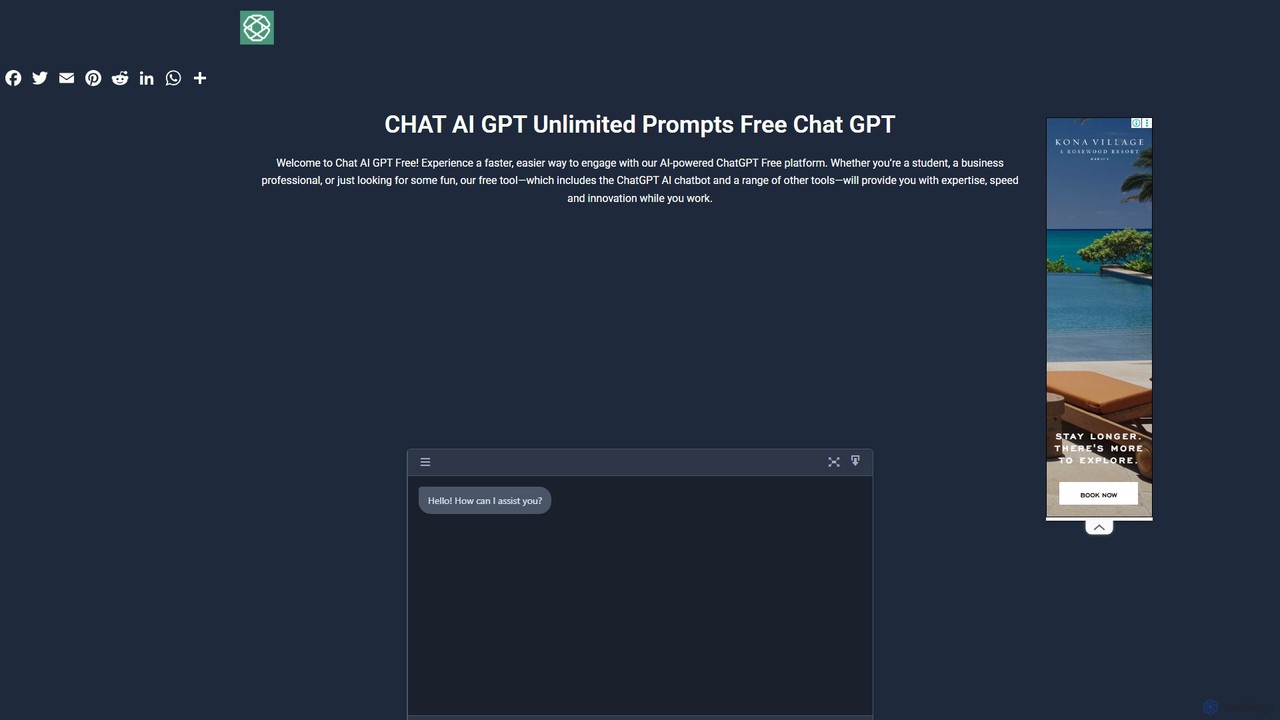
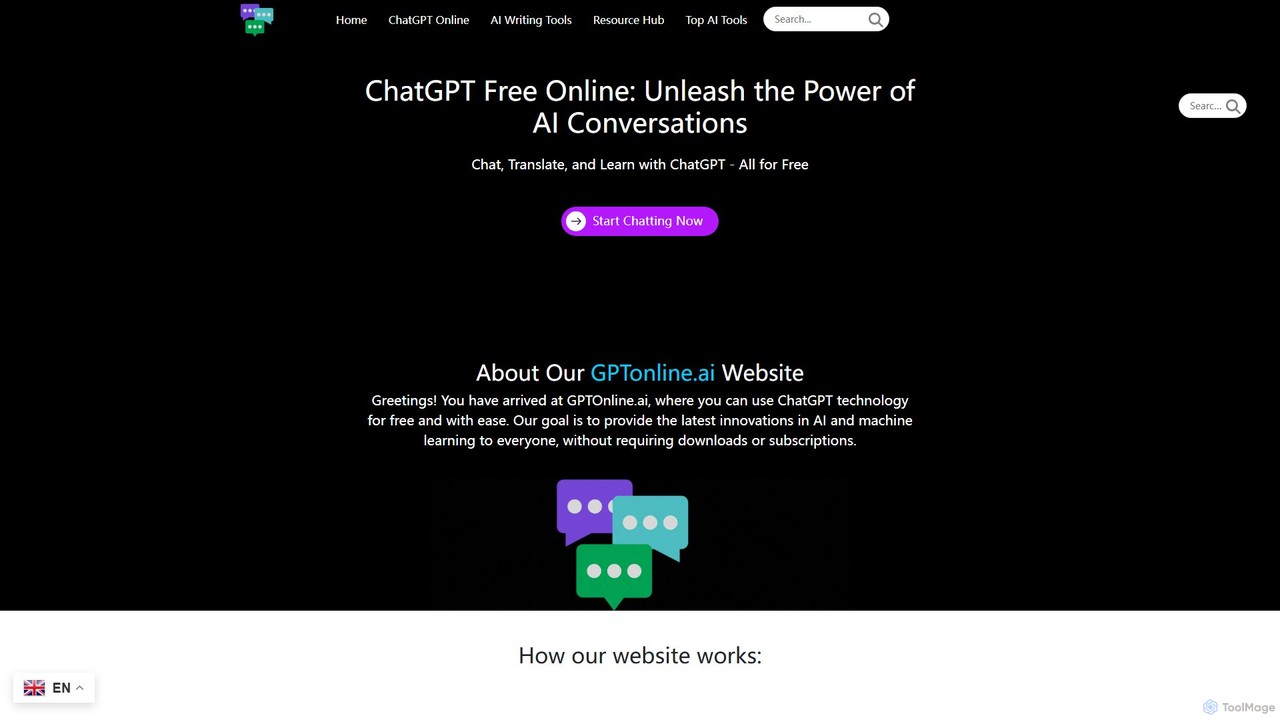
AI Chat tools are advanced conversational agents powered by artificial intelligence, designed to engage users in natural, human-like dialogue. Leveraging sophisticated Natural Language Processing (NLP) and Large Language Models (LLMs), these tools understand context, interpret user intent, and generate coherent, relevant responses in real-time. They go beyond traditional rule-based chatbots by offering dynamic, adaptive interactions, making them invaluable for enhancing customer experience, automating support, and providing personalized information across various platforms.
Core Features
- Natural Language Understanding (NLU): Accurately interprets complex user queries and intentions, even with varied phrasing.
- Contextual Memory: Retains information from previous turns in a conversation to maintain coherence and relevance.
- Generative AI Responses: Creates unique, human-like text responses rather than relying on pre-scripted answers.
- Multi-turn Dialogue: Capable of engaging in extended, back-and-forth conversations that mimic human interaction.
- Sentiment Analysis: Detects the emotional tone of user input to tailor responses appropriately.
Use Cases
AI Chat tools are widely adopted across industries for their ability to automate and personalize communication. They serve as virtual assistants in customer service, handling inquiries, troubleshooting, and guiding users through processes. In marketing, they personalize user journeys and generate leads. For internal operations, they act as intelligent knowledge bases, providing instant access to company information and support. Their adaptability makes them suitable for any scenario requiring intelligent, scalable conversational interaction.
How to Choose
When selecting an AI Chat tool, evaluate its underlying AI model's capabilities in understanding and generating natural language, ensuring it meets your specific interaction complexity. Consider integration options with your existing CRM, helpdesk, or other business systems for seamless data flow. Assess customization features, including the ability to train the AI on your specific data and brand voice. Finally, review scalability to handle varying user loads and data privacy measures to protect sensitive information, alongside the pricing structure.