ToolMage
Sign in

Best 2 Character AI tools for Chatbots

Popular Character AI tools in Chatbots include FlowGPT and GitaGPT, helping you work more efficiently.

GitaGPT
Freemium

GitaGPT

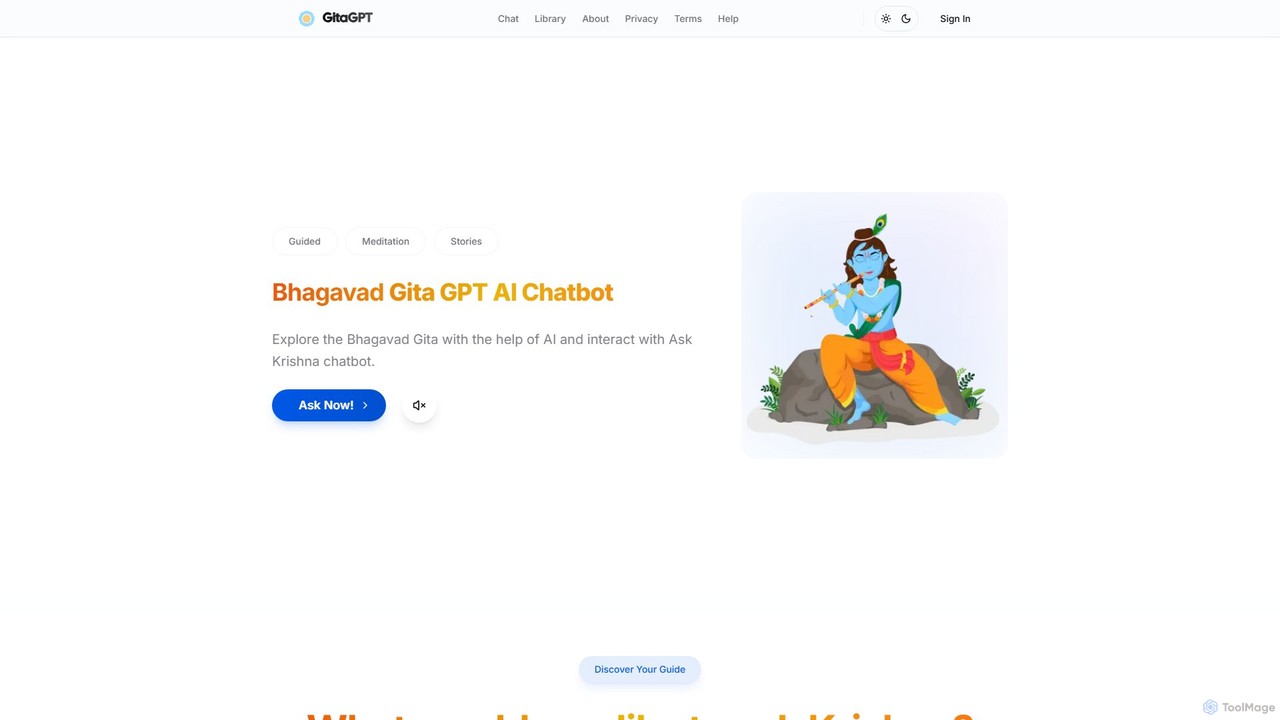
GitaGPT is an AI-powered platform offering spiritual guidance through conversations with AI chatbots based on the Bhagavad Gita and other spiritual figures. It helps users explore ancient wisdom, find answers to life's profound questions, and receive personalized advice for mental clarity and self-discovery.

Character
Visits 16.6KFavorites 114Likes 125
FlowGPT
Freemium

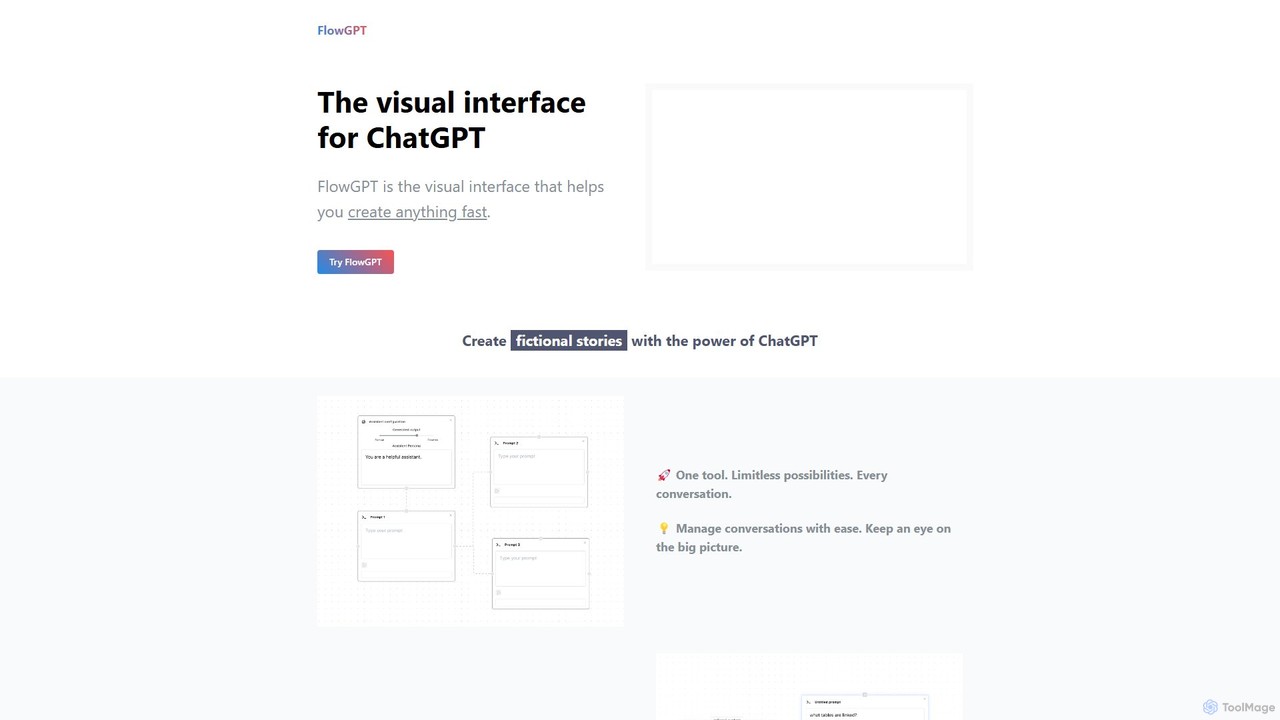
FlowGPT

FlowGPT is a leading community-driven platform for discovering, sharing, and utilizing the best ChatGPT prompts. It functions as a vast marketplace and library for prompts across diverse categories, from productivity and programming to creative writing and entertainment. Users can also engage in immersive AI character roleplaying, interact with specialized AI models, and even monetize their own prompt creation skills through a bounty program.

Character
Visits 2.4MFavorites 136Likes 148

About Character

Character AI tools are specialized AI-powered chatbots designed to simulate distinct personalities, backstories, and conversational styles for immersive interaction. These advanced tools leverage sophisticated natural language processing and generation to create virtual personas that can engage in complex role-playing scenarios, offer personalized companionship, or facilitate dynamic interactive storytelling. Unlike general-purpose chatbots focused on information retrieval, Character AI prioritizes maintaining a consistent character identity and emotional depth throughout interactions, making them ideal for entertainment, creative exploration, and deeply personalized engagement.

Core Features

  • Personality Emulation: Mimics specific traits, speaking patterns, emotional responses, and even unique quirks to maintain a highly consistent and believable persona across all interactions.
  • Contextual Memory: Retains information from past conversations and user preferences, ensuring continuity, relevance, and a sense of evolving relationship over time.
  • Role-Playing Capabilities: Engages users in narrative-driven scenarios, allowing for dynamic and interactive storytelling, virtual adventures, or simulated social interactions.
  • Emotional Intelligence: Processes and responds to emotional cues within user input, enhancing the realism, empathy, and overall human-like quality of the interactions.
  • Customization Options: Provides extensive tools for users to define or modify character attributes, appearance descriptions, background stories, and even core behavioral parameters.

Applicable Scenarios

Character AI tools are widely adopted in the entertainment sector for virtual companionship, interactive fiction, and game development, offering users unique narrative experiences. They also serve significant educational purposes by simulating historical figures, fictional mentors, or specific social situations for immersive role-play learning and skill development. Furthermore, businesses and brands can deploy these AI characters as engaging virtual mascots or specialized customer service agents to interact with customers in a unique, memorable, and highly personalized way, fostering stronger brand connections.

How to Choose

When selecting a Character AI tool, prioritize the depth and consistency of its personality emulation, ensuring it can maintain a believable and engaging persona across diverse conversational topics and extended interactions. Evaluate the quality of its conversational flow, responsiveness, and ability to handle complex prompts without breaking character. Crucially, consider the extent of customization options available for character creation and modification, allowing you to tailor the AI to your specific needs. Finally, thoroughly assess its content moderation policies and privacy features to ensure a safe, ethical, and appropriate interaction environment for all users.

Featured tool rankings

Character use cases

1

Creating Virtual Companions for Emotional Support

Individuals seeking interactive companionship can utilize Character AI tools to create or engage with virtual personas designed for emotional support and friendly conversation. Users can define personality traits, interests, and communication styles, fostering a sense of connection and reducing feelings of loneliness through consistent, empathetic interactions. This provides a safe space for expression without judgment.

2

Developing Interactive Storylines and Game Characters

Game developers and interactive fiction writers employ Character AI to bring dynamic, responsive characters to life within their narratives. By defining character backstories and motivations, creators can enable AI characters to generate unique dialogues, react organically to player choices, and evolve plotlines, offering players a highly personalized and immersive storytelling experience.

3

Role-Playing for Language and Social Skill Practice

Language learners and individuals practicing social skills can benefit from Character AI by engaging in simulated conversations with virtual tutors or social partners. Users can practice specific scenarios, receive immediate feedback on their communication, and build confidence in a low-pressure environment, tailoring the character's role to their learning objectives.

4

Engaging Customers as a Brand Mascot or Virtual Assistant

Businesses leverage Character AI to deploy engaging virtual brand mascots or specialized customer service assistants. These AI characters can embody the brand's personality, answer FAQs in a unique voice, and guide customers through services, creating a memorable and personalized brand interaction that enhances customer loyalty and engagement beyond traditional chatbots.

5

Simulating Historical Figures for Educational Exploration

Educators and history enthusiasts can use Character AI to interact with simulated historical figures, bringing the past to life. By feeding the AI with historical data and personality traits, users can ask questions, engage in debates, and gain unique perspectives from virtual representations of historical icons, making learning more interactive and engaging.

6

Brainstorming and Creative Writing with AI Personas

Writers, artists, and content creators utilize Character AI as a creative partner for brainstorming ideas, developing character dialogues, or exploring plot twists. By interacting with an AI persona tailored to a specific genre or character archetype, creators can overcome writer's block, generate fresh perspectives, and refine their creative output through dynamic collaboration.

Character FAQ

What are Character AI tools?

Character AI tools are advanced artificial intelligence applications designed to simulate distinct personalities, backstories, and conversational styles. Unlike general chatbots, their primary focus is on creating immersive, persona-driven interactions, enabling users to engage in role-playing, virtual companionship, or interactive storytelling. They leverage sophisticated natural language processing to maintain a consistent character identity and emotional depth throughout conversations.

How do Character AI tools differ from general chatbots?

The key difference lies in their primary objective. General chatbots are typically designed for information retrieval, task automation, or customer support, focusing on efficiency and accuracy. Character AI tools, however, prioritize personality emulation, emotional depth, and narrative engagement. They aim to provide a unique, immersive experience by maintaining a consistent persona, making interactions feel more like talking to a distinct individual rather than a utility.

What are the main applications of Character AI?

Character AI tools have diverse applications across various sectors. They are widely used for entertainment, such as virtual companionship, interactive fiction, and game development. In education, they facilitate role-playing with historical figures or fictional mentors. Businesses utilize them as engaging brand mascots or specialized customer service agents. Additionally, they serve as creative partners for writers and artists, aiding in brainstorming and character development.

What should I consider when choosing a Character AI tool?

When selecting a Character AI tool, several factors are crucial. First, assess the depth and consistency of its personality emulation. Second, evaluate the quality of its conversational flow and responsiveness to complex prompts. Third, consider the extent of customization options available for character creation and modification. Finally, thoroughly review its content moderation policies and privacy features to ensure a safe, ethical, and appropriate interaction environment.

Can Character AI tools learn and evolve over time?

Yes, many advanced Character AI tools are designed with machine learning capabilities that allow them to learn and evolve. Through continuous interaction, they can adapt to user preferences, refine their personality emulation, and improve their conversational relevance and consistency. This adaptive learning helps them to provide increasingly personalized and engaging experiences, making each interaction feel more unique and tailored over time.