ToolMage
Sign in

Best 342 Advertising AI tools for Marketing

Popular Advertising AI tools in Marketing include Dreamina, HeyGen, PixVerse, fish.audio, Vidu, Triple Whale, aisonggenerator.io, Revid, Foreplay, and gethookd, helping you work more efficiently.

CopyGenius
Freemium

CopyGenius

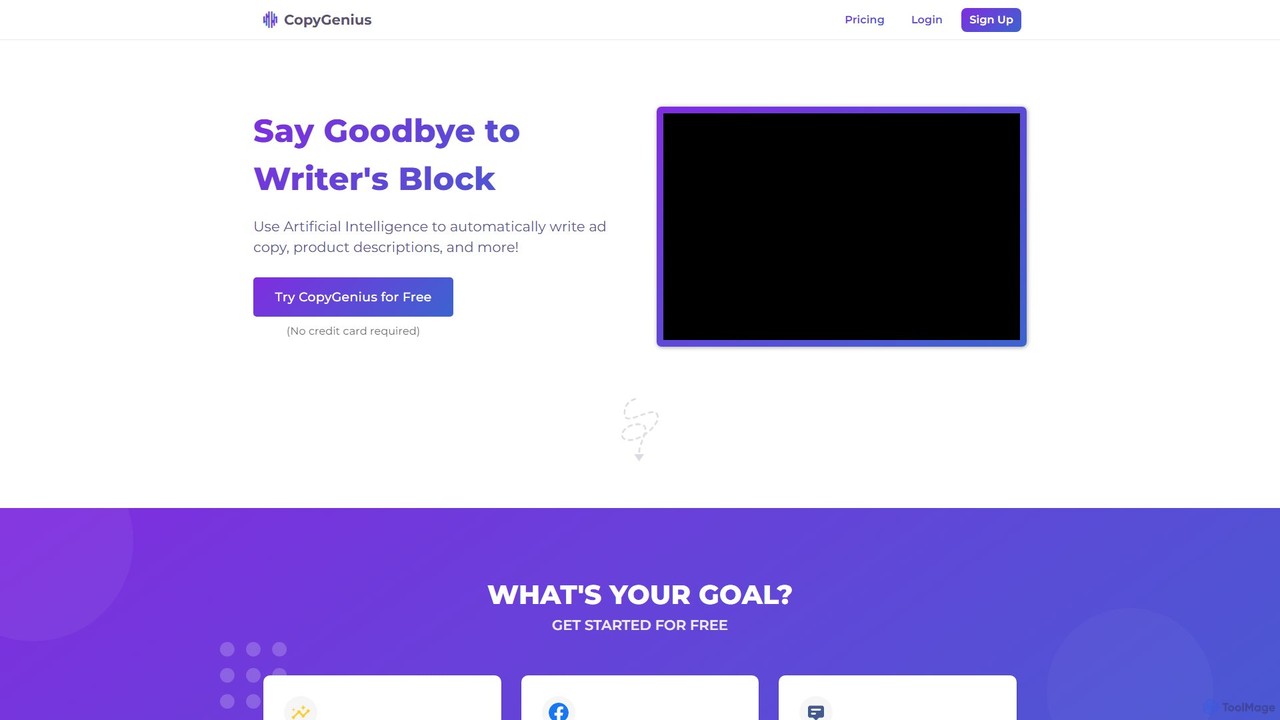
CopyGenius is a powerful AI copywriter designed for e-commerce businesses, marketers, and content creators. It automates the creation of high-converting ad copy, engaging product descriptions, blog posts, social media captions, and more. With over 40 templates and a versatile 'Genius Editor', it helps users overcome writer's block, save time, and boost sales and engagement effortlessly.

Product Descriptions
Visits 25.1KFavorites 144Likes 126
MOKI
Freemium

MOKI

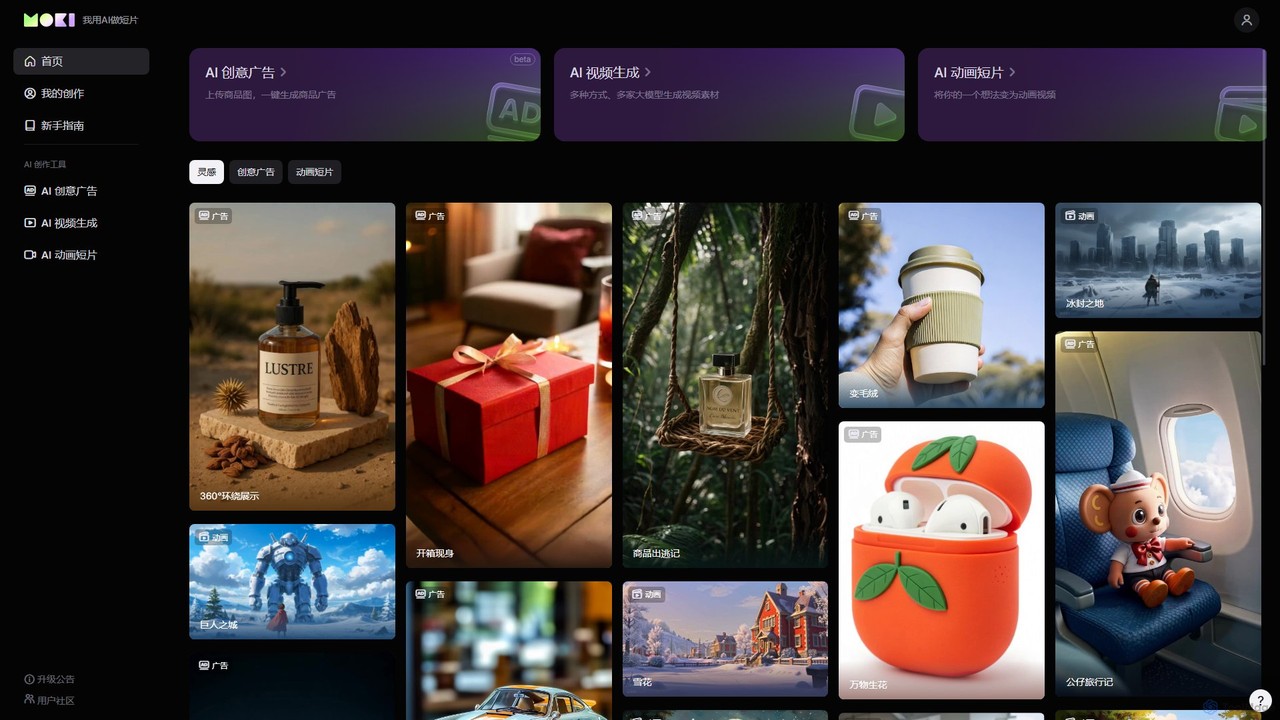
MOKI is an AI-powered video creation platform that transforms ideas and product images into stunning short videos, animations, and advertisements. Effortlessly generate engaging content for marketing, social media, and storytelling with one-click templates and advanced AI models.

Advertising
Visits 5.9KFavorites 172Likes 178
AdScan.ai
Freemium

AdScan.ai

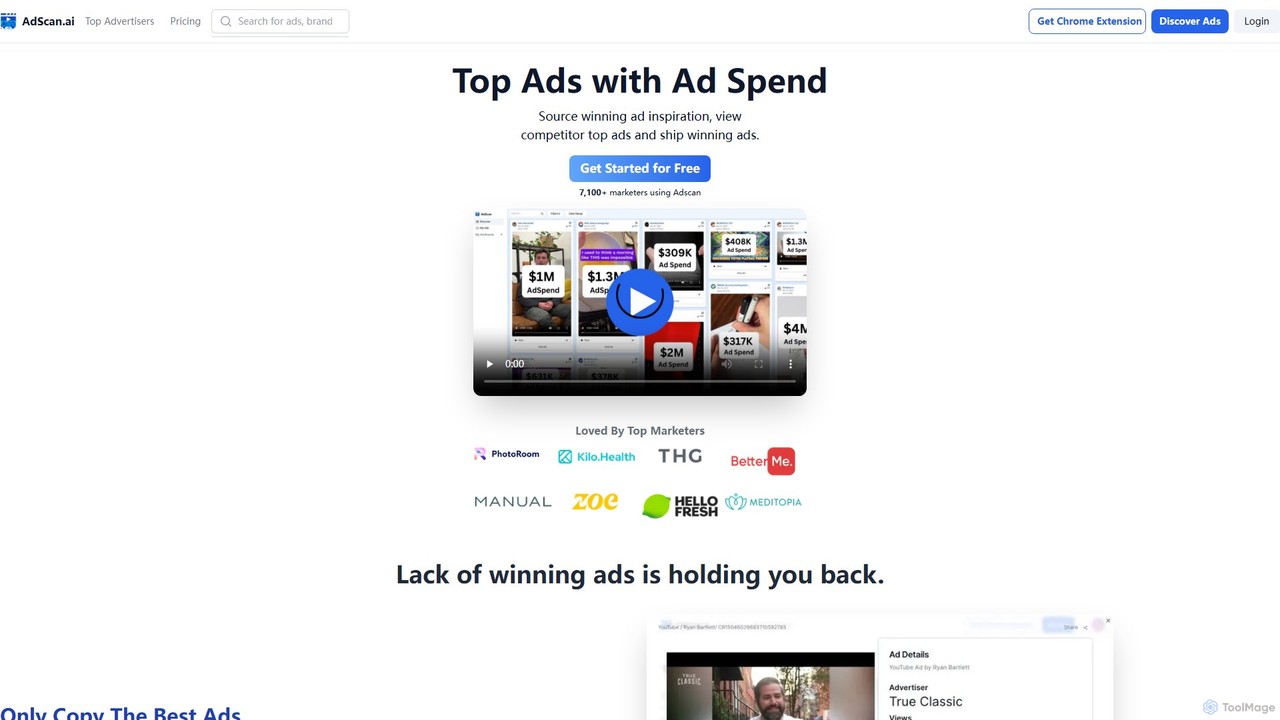
AdScan.ai is an AI-powered ad intelligence platform that helps marketers discover winning ad strategies. By revealing competitor ad spend on platforms like Facebook, YouTube, and TikTok, it allows users to make data-driven decisions. Its Chrome extension integrates directly into ad libraries, enabling users to save, analyze, and organize successful ads for inspiration and campaign optimization.

Advertising
Visits 23.6KFavorites 125Likes 118
omnitrain
Paid

omnitrain

Omnitrain is an AI-powered ad creation platform that generates high-converting ad images and videos in minutes. Designed for marketers and businesses, it transforms product information into hundreds of scroll-stopping visuals and compelling copy without requiring any design skills. It focuses on performance, scalability, and rapid A/B testing to maximize campaign results.

Image Generation
Visits 8.8KFavorites 111Likes 131
Uniqium
Freemium

Uniqium

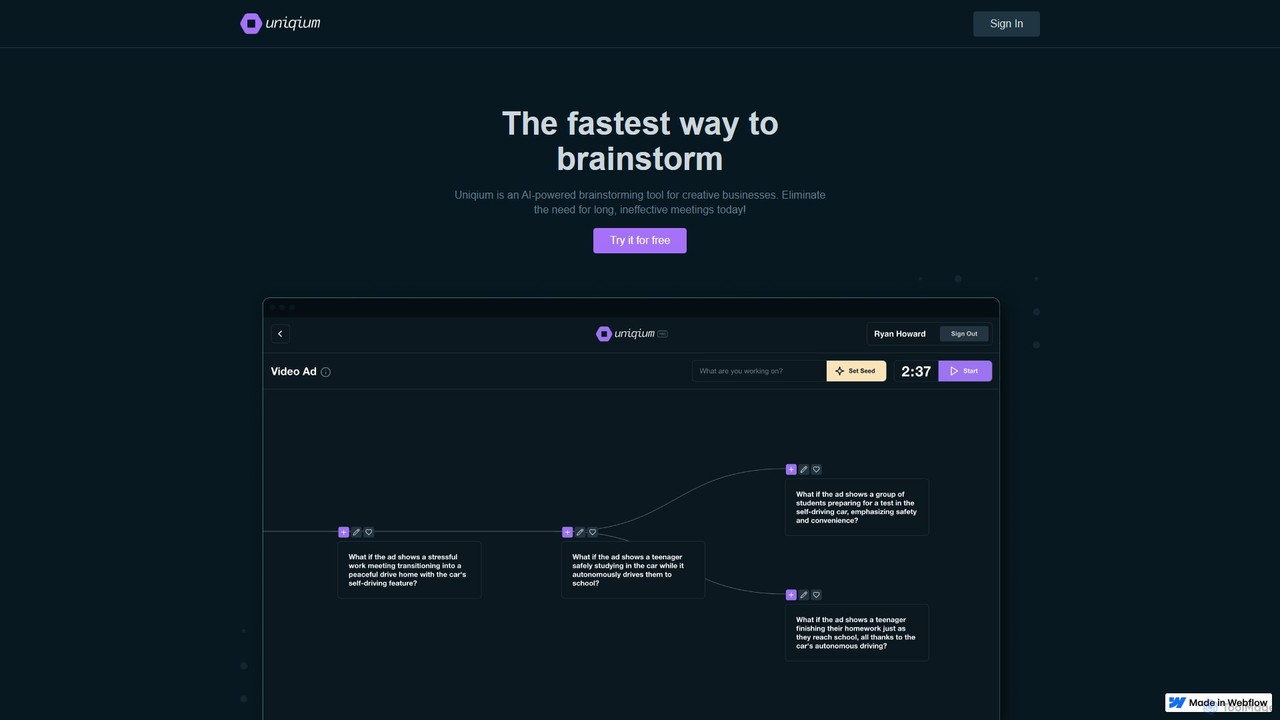
Uniqium is an AI-powered brainstorming platform designed for creative businesses. It replaces inefficient meetings with fast, focused, and individual AI-assisted sessions, helping teams generate high-quality ideas in minutes.

Collaboration
Visits 5.9KFavorites 152Likes 160
Draph
Freemium

Draph

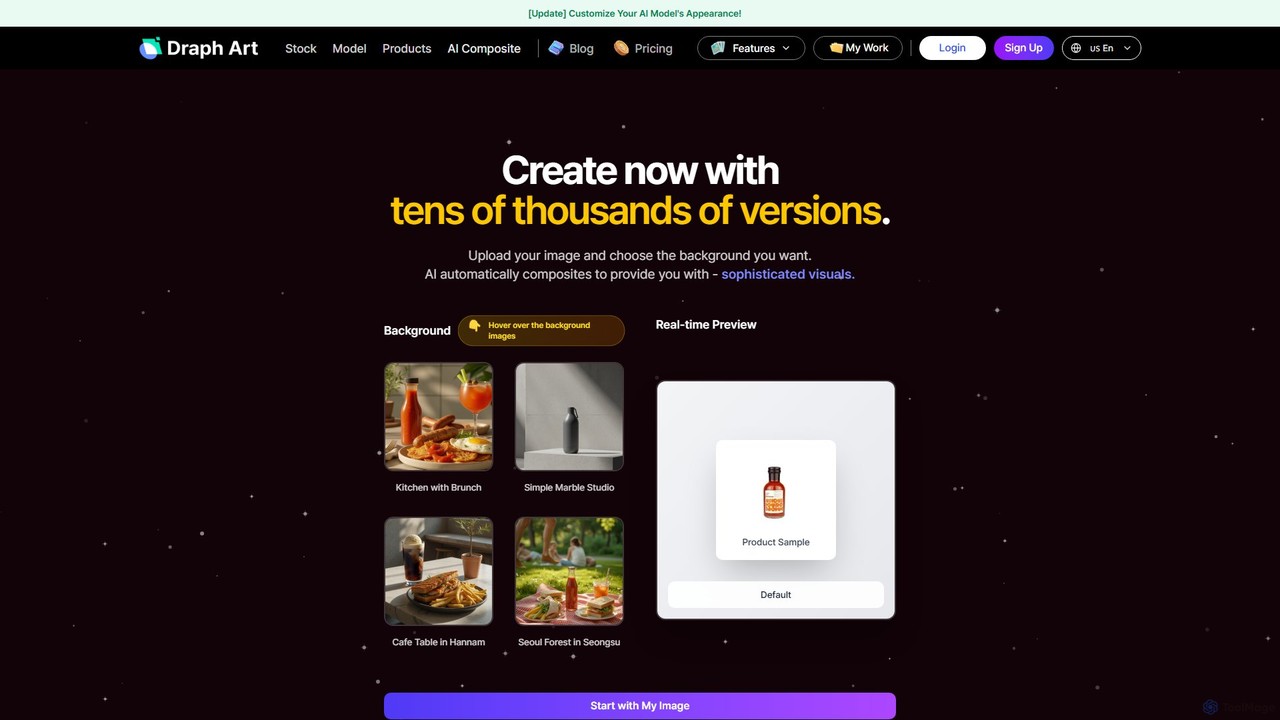
Draph is an AI-powered suite for e-commerce, offering tools for product photography, AI model generation, and marketing content creation. Instantly create stunning visuals, ad banners, and social media posts, eliminating the need for expensive photoshoots and long production times.

Product Images
Visits 66.6KFavorites 103Likes 117

About Advertising

AI Advertising tools are designed to automate and optimize various aspects of advertising campaigns. They leverage machine learning and data analytics to enhance targeting, content creation, and campaign management. These tools help businesses reach the right audience more effectively, improve ad performance, and maximize return on ad spend. By analyzing vast datasets, they provide actionable insights for strategic decision-making in the competitive digital advertising landscape.

Core Features

  • Audience Targeting & Segmentation: Precisely identify and segment target audiences based on demographics, behaviors, and interests.
  • Ad Creative Generation: Automatically generate diverse ad copy, headlines, and visual concepts tailored for different platforms.
  • Bid & Budget Optimization: Dynamically adjust ad bids and allocate budgets across channels for optimal campaign performance.
  • Performance Analytics & Reporting: Provide real-time insights into campaign metrics, identifying trends and areas for improvement.
  • Campaign Automation & Management: Automate scheduling, publishing, and monitoring of ad campaigns across multiple platforms.

Use Cases

Digital marketers utilize AI to personalize ad content for specific audience segments, while e-commerce businesses optimize ad spend across platforms like Google Ads and social media. Advertising agencies also benefit by automating campaign setup and reporting for multiple clients, streamlining operations and enhancing efficiency.

How to Choose

When selecting an AI Advertising tool, consider its integration capabilities with existing ad platforms and CRM systems. Evaluate the depth and accuracy of its audience segmentation and predictive analytics features. Assess the quality and variety of its ad copy and visual generation capabilities, and look for comprehensive, customizable dashboards with actionable recommendations.

Featured tool rankings

Advertising use cases

1

Automated Ad Creative Generation

For content marketers and advertisers who need to produce a high volume of diverse ad creatives quickly. AI tools can automatically generate multiple variations of ad copy, headlines, and even visual elements based on product descriptions, target audience profiles, and campaign goals. This significantly reduces the manual effort in design and copywriting, allowing for rapid A/B testing and personalization at scale across platforms like social media and search engines.

2

Generate High-Performing Ad Copy and Visuals

A marketing specialist needs to launch multiple ad campaigns across various platforms daily. AI advertising tools can automatically generate diverse ad copy, headlines, and visual concepts (e.g., product images, banner ads) based on product descriptions, target audience profiles, and campaign goals. This saves significant time in content creation, allowing for rapid A/B testing and iteration to find the most effective ad creatives.

3

Real-time Bid and Budget Optimization

Media buyers and performance marketers utilize AI Advertising tools to automatically manage and optimize their ad spend. The AI continuously analyzes real-time performance data, market trends, and competitor activity to dynamically adjust bids for keywords or audience segments. It also reallocates budgets across different campaigns or channels to maximize return on investment (ROI) and achieve specific performance targets, ensuring optimal efficiency 24/7.

4

Precisely Target Niche Audiences for Campaigns

An e-commerce business wants to promote a new product to a highly specific demographic. AI advertising tools analyze vast datasets of user behavior, purchase history, and online interactions to identify and segment the most receptive audiences. This enables hyper-targeted campaigns, reducing wasted ad spend on irrelevant impressions and significantly increasing conversion rates by reaching users most likely to be interested.

5

Optimize Ad Bids and Budgets in Real-Time

A digital advertising agency manages numerous campaigns with fluctuating performance and budget constraints. AI advertising tools continuously monitor campaign performance, market trends, and competitor activity to dynamically adjust bids and reallocate budgets across different ad channels (e.g., search, social, display). This ensures maximum return on ad spend (ROAS) by investing more in high-performing areas and minimizing expenditure on underperforming ones, all in real-time.

6

Hyper-personalized Ad Targeting

E-commerce businesses and direct-to-consumer brands leverage AI to deliver highly relevant advertisements to individual consumers. By analyzing vast amounts of user data, including browsing history, purchase patterns, and demographic information, AI can identify specific user preferences and intent. This enables the delivery of personalized product recommendations, dynamic retargeting ads, and custom offers that resonate deeply with each user, leading to higher engagement and conversion rates.

7

Deliver Personalized Ad Experiences to Users

A content publisher aims to increase engagement with their articles through personalized ads. AI advertising tools can analyze individual user preferences and past interactions to serve highly relevant ad content and offers. This personalization goes beyond basic demographics, adapting ad messages and visuals to resonate deeply with each user, leading to higher click-through rates and improved brand perception.

8

Predictive Campaign Performance Analysis

Marketing strategists and campaign managers use AI Advertising tools to gain foresight into future campaign outcomes. These tools can analyze historical data and current market conditions to predict potential performance trends, identify underperforming segments, or forecast the impact of budget changes. This predictive capability allows marketers to proactively adjust strategies, optimize resource allocation, and mitigate risks before campaigns are fully launched, ensuring more successful outcomes.

9

Automate Multi-Channel Ad Campaign Management

A small business owner struggles to manage advertising efforts across Google Ads, Facebook, Instagram, and LinkedIn simultaneously. AI advertising platforms provide a centralized dashboard to automate campaign setup, scheduling, and monitoring across all these channels. This streamlines operations, ensures consistent messaging, and allows the owner to scale their advertising efforts without needing a large marketing team.

10

Cross-Channel Ad Campaign Management

Advertising agencies and large enterprises with complex campaign structures benefit from AI-powered platforms that centralize management across multiple advertising channels. These tools provide a unified dashboard to monitor, optimize, and report on campaigns running simultaneously on Google Ads, Meta Ads, display networks, and more. AI automates cross-channel budget allocation, creative synchronization, and performance aggregation, simplifying complex operations and ensuring consistent messaging.

11

Predictive Analytics for Campaign Forecasting

A brand manager needs to plan future advertising strategies and allocate resources effectively. AI advertising tools utilize historical data and machine learning models to predict future campaign performance, identify emerging trends, and forecast potential challenges. This foresight enables proactive adjustments to strategies, helping to mitigate risks and capitalize on opportunities, ultimately leading to more successful long-term advertising outcomes.

12

Dynamic Landing Page Optimization

Performance marketers employ AI Advertising tools to enhance the post-click experience by dynamically optimizing landing pages. The AI analyzes the incoming ad creative, user segment, and real-time user behavior on the landing page to automatically generate and display the most relevant content, calls-to-action, and layouts. This ensures a seamless user journey from ad click to conversion, significantly improving the effectiveness of advertising spend by maximizing conversion rates.

Advertising FAQ

What are AI Advertising tools?

AI Advertising tools are software solutions that use artificial intelligence, machine learning, and data analytics to automate and optimize various aspects of digital advertising campaigns. They go beyond traditional rule-based systems by learning from vast datasets to make intelligent decisions on audience targeting, ad creative generation, bid management, and performance analysis. Their primary goal is to enhance campaign efficiency, personalization, and overall return on ad spend (ROAS).

What are AI Advertising tools?

AI Advertising tools are software solutions that use artificial intelligence, machine learning, and data analytics to automate, optimize, and personalize various aspects of digital advertising campaigns. They go beyond traditional automation by learning from data to make intelligent decisions, such as identifying optimal audiences, generating ad creatives, and managing bids in real-time. Their primary goal is to enhance campaign efficiency, effectiveness, and return on investment.

How do AI Advertising tools benefit businesses?

AI Advertising tools offer numerous benefits, including significantly improved audience targeting accuracy, leading to higher conversion rates and reduced wasted ad spend. They automate time-consuming tasks like creative generation and bid adjustments, freeing up marketing teams for strategic work. Furthermore, AI provides predictive insights into campaign performance, enabling proactive optimization and better budget allocation. The ability to deliver hyper-personalized ad experiences also strengthens customer engagement and brand loyalty.

How do AI Advertising tools differ from traditional advertising platforms?

Traditional advertising platforms often require significant manual input for targeting, bidding, and creative management. AI Advertising tools, while often integrating with these platforms, introduce an intelligent layer. They automate complex decision-making processes, learn from performance data to continuously improve, and can personalize content at scale, which is difficult or impossible with manual methods. This leads to more dynamic optimization, better targeting precision, and higher efficiency compared to purely rule-based or human-driven approaches.

What are the main benefits of using AI in advertising?

The main benefits include enhanced targeting precision, leading to reduced wasted ad spend and higher conversion rates. AI also enables the automation of repetitive tasks like bid management and creative generation, freeing up marketers' time for strategy. Furthermore, it provides deeper, real-time performance insights and predictive analytics, allowing for proactive campaign adjustments and improved overall return on ad spend (ROAS). Personalization at scale is another significant advantage, creating more engaging ad experiences.

How to choose the best AI Advertising tool?

To select the best AI Advertising tool, first assess its compatibility and integration capabilities with your existing advertising platforms (e.g., Google Ads, Facebook Ads) and CRM. Evaluate the specific features it offers, such as advanced targeting, creative automation, or predictive analytics, to ensure they align with your campaign goals. Consider its scalability to handle your current and future ad volume, the clarity and depth of its reporting, and the level of customer support provided. Finally, compare pricing models and ensure it fits within your budget.

What's the difference between AI Advertising and traditional digital advertising?

The core difference lies in automation, data processing, and decision-making. Traditional digital advertising often relies on manual setup, rule-based optimization, and human analysis of performance data. AI Advertising, conversely, automates these processes, leveraging machine learning algorithms to continuously analyze massive datasets, identify complex patterns, and make real-time adjustments to campaigns. This results in more precise targeting, dynamic creative optimization, proactive bid management, and a level of personalization unachievable through manual methods.

Who can benefit most from using AI Advertising tools?

A wide range of users can benefit. Digital marketing agencies can manage multiple client campaigns more efficiently and deliver better results. E-commerce businesses can optimize their product promotions and increase sales. Large enterprises can scale their advertising efforts and gain competitive insights. Even small to medium-sized businesses (SMBs) can leverage these tools to compete more effectively by automating complex tasks and maximizing their limited advertising budgets. Essentially, anyone looking to improve ad performance and efficiency can benefit.

What should I consider when choosing an AI Advertising tool?

When selecting an AI Advertising tool, evaluate its integration capabilities with your existing ad platforms and CRM. Assess its core AI features, such as the precision of audience targeting, the quality of ad creative generation, and the sophistication of its bid optimization algorithms. Consider the clarity and actionability of its reporting and analytics. Also, look into its ease of use, scalability, pricing model, and the level of customer support provided. Ensure it aligns with your specific campaign goals and budget.

What are the key features of AI Advertising platforms?

Key features of AI Advertising platforms typically include intelligent audience targeting and segmentation, which uses AI to identify and reach the most receptive audiences. Automated ad creative and copy generation helps produce diverse and personalized ad content at scale. Real-time bid and budget optimization dynamically adjusts spending for maximum efficiency. Predictive analytics and reporting offer insights into future performance and actionable data. Lastly, cross-channel campaign management allows for unified control and optimization across various advertising platforms.