ToolMage
Sign in

Best 1 Affiliate AI tools for Marketing

Popular Affiliate AI tools in Marketing include cocoleco, helping you work more efficiently.

cocoleco
Free

cocoleco

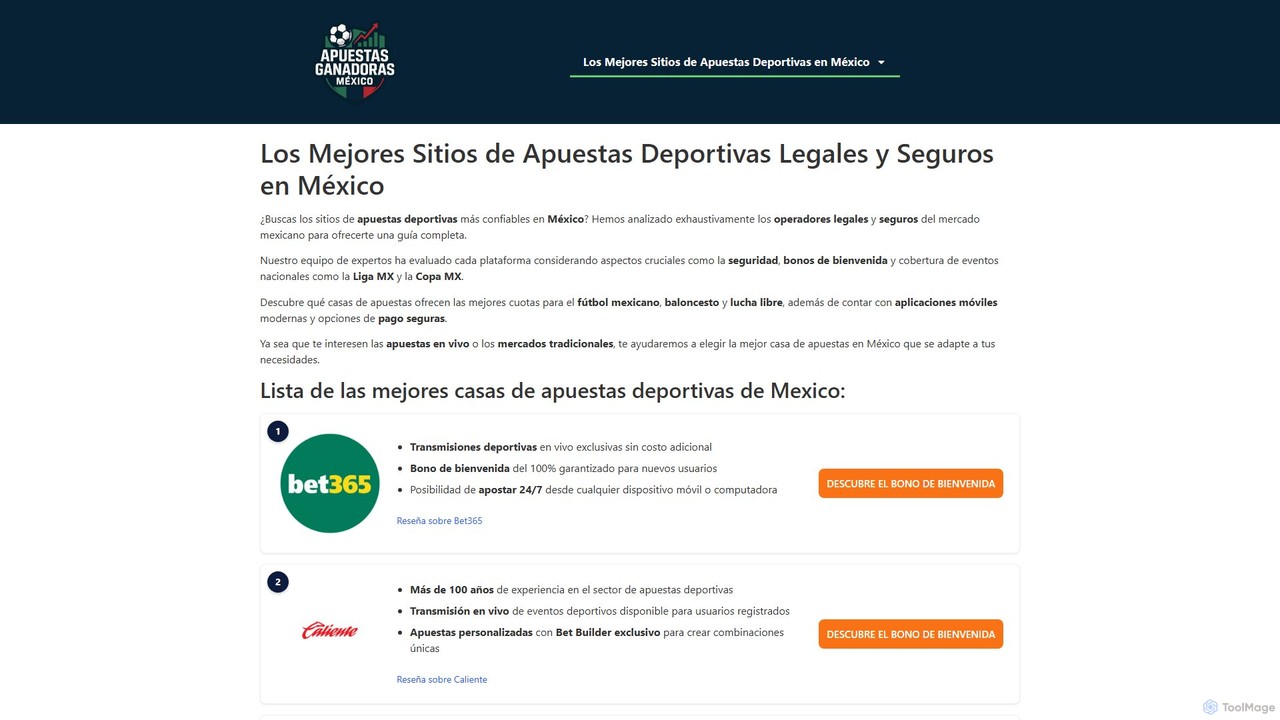
An AI-powered comparison platform that analyzes and ranks the best sports betting sites in Mexico. It provides in-depth reviews, bonus tracking, and data-driven recommendations to help users find secure and high-value betting operators, with a special focus on local leagues like Liga MX.

Sports Betting
Visits 5.6KFavorites 139Likes 130

About Affiliate

AI Affiliate tools are specialized platforms that use artificial intelligence to automate and optimize affiliate marketing programs. These tools leverage machine learning algorithms to analyze performance data, identify high-potential partners, and detect fraudulent activity in real-time. By automating key tasks like tracking, reporting, and partner recruitment, they enable businesses to scale their affiliate channels efficiently and maximize return on investment. Their predictive capabilities help forecast campaign outcomes and optimize commission strategies for better results.

Core Features

  • Predictive Partner Discovery: Uses AI to identify and score potential affiliates based on audience alignment, content quality, and performance potential.
  • Automated Fraud Detection: Employs machine learning to monitor traffic patterns and user behavior to proactively identify and block click fraud, cookie stuffing, and other violations.
  • Performance Analytics & Attribution: Provides deep insights into affiliate performance, using AI-driven attribution models to understand the true value of each partner in the customer journey.
  • Dynamic Commission Optimization: Automatically adjusts commission rates based on affiliate performance, product margin, or customer lifetime value to incentivize top partners.
  • Content Compliance Monitoring: Scans affiliate websites and promotions to ensure they adhere to brand guidelines and regulatory requirements.

Use Cases

AI Affiliate tools are primarily used by e-commerce businesses, SaaS companies, and digital publishers to manage and grow their partner marketing programs. Affiliate managers use them to streamline operations, from onboarding new partners to processing payments. Marketing analysts rely on these tools for accurate attribution and performance data to justify budget allocation and strategize for future growth.

How to Choose

When selecting an AI Affiliate tool, consider its integration capabilities with your existing e-commerce platform or CRM. Evaluate the sophistication of its fraud detection engine and the accuracy of its tracking technology (e.g., server-to-server tracking). Assess the platform's scalability to ensure it can support your program's growth. Finally, examine the pricing model to ensure it aligns with your business goals, whether it's based on revenue share, clicks, or a flat subscription fee.

Affiliate use cases

1

E-commerce Affiliate Program Optimization

An e-commerce manager overseeing a program with over 500 affiliates uses an AI tool to analyze partner performance. The system automatically segments affiliates based on conversion rates, traffic quality, and audience demographics. It flags underperforming partners for review and identifies high-potential affiliates, suggesting personalized commission tiers to motivate them. This data-driven approach allows the manager to focus on strategic relationship-building instead of manual data analysis, resulting in a 20% increase in revenue from the top affiliate quartile.

2

Automated Affiliate Recruitment for SaaS

A marketing lead for a B2B SaaS company needs to expand their affiliate network. They use an AI tool that scours the web to identify relevant blogs, YouTube channels, and industry influencers whose audiences match the company's ideal customer profile. The tool provides a ranked list of potential partners with contact details and an 'audience match' score. This automates the prospecting phase, allowing the marketing team to focus on outreach and relationship building, successfully onboarding 40 new, highly relevant affiliates in one quarter.

3

Proactive Affiliate Fraud Prevention

An affiliate network manager notices a spike in suspicious clicks from certain partners. Instead of manual investigation, an AI fraud detection tool is deployed. The system analyzes hundreds of data points in real-time, including IP reputation, device fingerprints, and click timing patterns. It automatically flags and blocks traffic that exhibits bot-like behavior or originates from known fraudulent sources. This proactive approach saves the company thousands of dollars in illegitimate payouts and protects the integrity of their advertisers' campaigns.

4

Dynamic Commission Strategy Management

A digital marketing strategist wants to incentivize affiliates to promote high-margin products. Using an AI affiliate tool, they set up dynamic commission rules. The system automatically increases the commission rate by 5% for sales of specific products during a promotional month. It also identifies affiliates whose audience is a strong match for these products and sends them automated notifications about the bonus opportunity. This targeted, automated incentive program leads to a 30% uplift in sales for the targeted high-margin products.

5

AI-Powered Content for Affiliate Reviews

A content creator running a tech review blog needs to produce high-quality, unique reviews for dozens of affiliate products. They use an AI tool that analyzes product specifications, user reviews, and key features to generate a detailed first draft of a review article. The creator then edits and adds their personal insights and experiences. This process reduces the research and writing time for each article by over 60%, allowing them to cover more products and increase their potential affiliate earnings while maintaining a unique voice.

6

Cross-Channel Performance Attribution

A performance marketing analyst struggles to understand the true impact of their affiliate channel, as customers often interact with multiple touchpoints (paid ads, social media) before converting. They implement an AI affiliate tool with multi-touch attribution capabilities. The AI model analyzes the entire customer journey, assigning fractional credit to each touchpoint. This reveals that certain affiliates are highly effective at introducing new customers, even if they don't get the final click. This insight justifies continued investment in top-of-funnel affiliates and leads to a more holistic marketing strategy.

Affiliate FAQ

What are AI Affiliate tools?

AI Affiliate tools are advanced software platforms designed to manage, automate, and optimize affiliate marketing programs using artificial intelligence. Unlike traditional platforms that focus on basic link tracking and reporting, AI tools provide predictive analytics for partner recruitment, real-time fraud detection, dynamic commission adjustments, and deep performance insights. They help businesses scale their affiliate programs more efficiently by automating manual tasks and making data-driven strategic decisions.

How to choose the right AI Affiliate tool?

To choose the right tool, consider these factors:

  • Integration: Ensure it seamlessly integrates with your e-commerce platform (e.g., Shopify, Magento), CRM, and other marketing tools.
  • Tracking Accuracy: Look for robust tracking methods like server-to-server (S2S) tracking to avoid issues with cookie blockers and ensure accurate attribution.
  • Fraud Detection: Evaluate the sophistication of its AI-powered fraud detection. Does it go beyond simple IP blocking to analyze behavioral patterns?
  • Scalability and Support: Choose a platform that can grow with your program and offers reliable customer support to assist with technical issues.
  • Pricing Model: Compare pricing structures (revenue share, subscription, per-transaction fees) to find one that aligns with your budget and business model.
What's the difference between AI Affiliate tools and traditional affiliate platforms?

The key difference lies in intelligence and automation. Traditional affiliate platforms primarily act as a ledger for tracking clicks, conversions, and managing payouts. They require significant manual effort for analysis and optimization. AI Affiliate tools add a layer of intelligence on top of these functions. They proactively identify opportunities (like new partners), mitigate risks (like fraud), and automate strategic decisions (like commission adjustments), transforming the role of an affiliate manager from a manual operator to a strategic overseer.

What are the main benefits of using AI in affiliate marketing?

Using AI in affiliate marketing offers several key benefits:

  • Increased Efficiency: Automates time-consuming tasks like partner discovery, performance tracking, and fraud monitoring, freeing up managers for strategic work.
  • Improved ROI: AI algorithms can identify the most profitable partners and campaigns, allowing for better allocation of resources and budget.
  • Enhanced Security: Proactively detects and prevents fraudulent activities, protecting your marketing spend and program integrity.
  • Data-Driven Decisions: Provides deep, actionable insights from complex data sets, enabling more effective strategy and optimization.
Who should use AI Affiliate tools?

AI Affiliate tools are most beneficial for businesses and individuals who manage affiliate programs at scale. This includes:

  • E-commerce Brands: Companies with a large number of products and affiliate partners who need to optimize performance and prevent fraud.
  • SaaS Companies: Businesses looking to scale their partner programs efficiently by automating recruitment and performance management.
  • Affiliate Networks: Platforms that manage programs for multiple advertisers and need robust tracking, security, and analytics capabilities.
  • Large Publishers & Content Creators: Individuals or teams who work with numerous affiliate programs and need a centralized way to track performance and optimize their content strategy.