ToolMage
Sign in

Best 1 Asset Generation AI tools for Marketing

Popular Asset Generation AI tools in Marketing include Kie AI, helping you work more efficiently.

Kie AI
Freemium

Kie AI

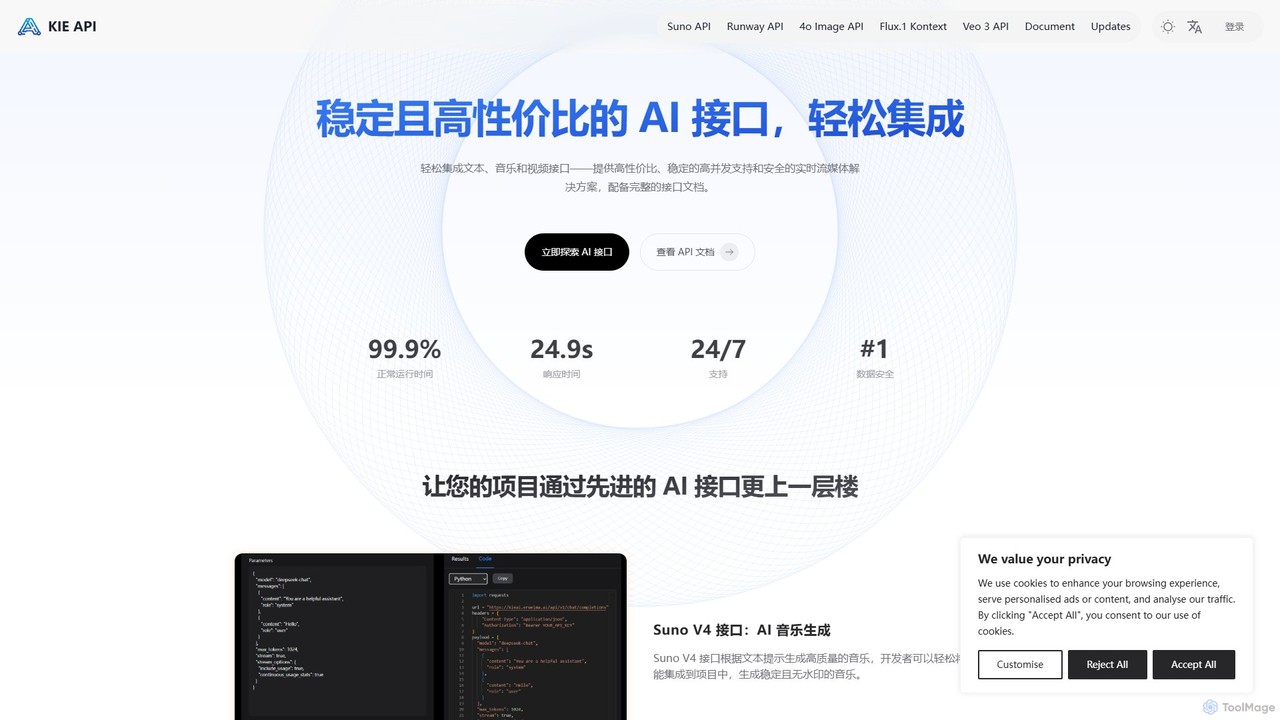
Kie AI provides affordable, stable, and high-performance AI APIs for seamless integration. Its flagship offering, the FLUX.1 Kontext API, enables advanced AI-powered image editing through natural language prompts. It's designed for developers, marketers, and designers to streamline creative workflows, offering both speed-optimized (Pro) and precision-focused (Max) versions for various professional needs.

Api
Visits 1.7MFavorites 154Likes 147

About Asset Generation

Asset Generation tools are a class of AI-powered software designed to automatically create marketing materials. These tools leverage generative models, such as LLMs and diffusion models, to transform text prompts or data inputs into ready-to-use content like ad copy, social media visuals, and product descriptions. Their primary value lies in enabling marketing teams to scale content production, conduct rapid A/B testing, and maintain brand consistency across multiple channels. This technology significantly reduces the time and resources required for creative development.

Core Features

  • Multi-Format Creation: Generate diverse assets including text (headlines, slogans), images (banners, social posts), and short video clips from a single platform.
  • Brand Kit Integration: Automatically apply predefined brand colors, fonts, and logos to all generated content for consistent branding.
  • Template-Based Generation: Utilize pre-built templates optimized for specific marketing channels like Instagram Stories, Google Ads, or email newsletters.
  • Bulk Content Production: Create hundreds of variations of an ad, post, or description from a single prompt or data source, ideal for large-scale campaigns.

Use Cases

These tools are widely used by digital marketing teams, social media managers, and e-commerce businesses. They are essential for workflows requiring a high volume of creative content for performance marketing, multi-channel advertising, content marketing, and personalized customer communication.

How to Choose

When selecting an Asset Generation tool, evaluate the specific types of assets it can create (text, image, video). Consider its integration capabilities with your existing marketing stack (e.g., ad platforms, social media schedulers), the robustness of its brand management features, and its pricing model relative to your content output needs.

Asset Generation use cases

1

Automate Social Media Campaign Content

A social media manager for a fashion brand needs to create a full week of content for Instagram, Facebook, and TikTok. Instead of manually designing each post, they use an AI asset generator. They input the campaign theme, 'Summer Collection Launch,' and upload product images. The tool generates a variety of on-brand visuals, carousels, and video clips, along with platform-specific captions and relevant hashtags. This process reduces content creation time from days to a few hours, allowing the manager to focus on community engagement and performance analysis.

2

Scale A/B Testing for Ad Creatives

A performance marketer is running a Google Ads campaign and wants to optimize click-through rates. They use an asset generation tool to create dozens of ad variations efficiently. By providing a core product benefit and target audience profile, the AI generates 10 different headlines, 5 descriptions, and 5 unique banner images. This allows the marketer to launch a comprehensive A/B test to identify the highest-performing combination of copy and visuals, ultimately improving return on ad spend (ROAS) without extensive design resources.

3

Generate E-commerce Product Descriptions

An online store owner is adding 200 new products to their Shopify site. Writing unique, SEO-friendly descriptions for each is a time-consuming task. They use an AI tool that connects to their product catalog. The tool analyzes product titles, images, and specifications to generate compelling and detailed descriptions for each item. It can also be instructed to adopt a specific brand tone of voice, ensuring all listings are consistent and optimized for search engines, which helps improve organic traffic and conversion rates.

4

Create Custom Blog and Article Visuals

A content marketer writes in-depth articles but lacks the design skills to create engaging visuals. Using an AI asset generator, they can create custom header images, simple infographics, and illustrations that match the article's topic. By simply describing the desired visual style and subject matter (e.g., 'a minimalist illustration of data analytics'), the tool produces several options. This enhances the article's visual appeal and readability, leading to longer reader engagement times without relying on generic stock photos.

5

Develop Video Ad Scripts and Storyboards

A small business wants to create a 30-second promotional video for social media but has a limited budget. The business owner uses an AI tool to generate a script and a visual storyboard. They input their product's key features and target audience. The AI outputs a concise script with a clear call-to-action and suggests a sequence of scenes (e.g., 'Scene 1: Show a person struggling with a common problem. Scene 2: Introduce the product as the solution.'). This provides a clear blueprint for filming, making video production faster and more structured.

6

Design Personalized Email Marketing Banners

An email marketing specialist aims to increase engagement in their weekly newsletter. They use an AI asset generator integrated with their email platform. The tool dynamically creates personalized banners for different customer segments. For example, a segment that recently viewed shoes will see a banner featuring the latest footwear collection. The AI generates these visual assets on the fly, ensuring the email content is highly relevant and visually appealing, which helps boost click-through rates and drive sales.

Asset Generation FAQ

What is AI Asset Generation in marketing?

AI Asset Generation refers to tools that use artificial intelligence to automatically create original marketing content, such as images, text, and videos. Unlike editing tools, they produce new materials from scratch based on user prompts or data. Key features include generating ad copy, social media posts, and product visuals. This technology is primarily used by marketers to scale content production and personalize campaigns efficiently.

How does Asset Generation differ from Marketing Analytics tools?

The primary difference lies in their function: Asset Generation tools create new marketing content, while Marketing Analytics tools measure and analyze the performance of existing content.

  • Asset Generation: Focuses on the creative production phase (e.g., writing a headline, designing a banner). Its output is the content itself.
  • Marketing Analytics: Focuses on the post-campaign analysis phase (e.g., tracking click-through rates, measuring engagement). Its output is data and insights.
In short, one creates the assets, and the other tells you how well those assets performed.

How do I choose the right AI Asset Generation tool?

To choose the right tool, consider these four key factors:

  • Asset Types: Does the tool generate the specific formats you need (e.g., text, static images, video, audio)?
  • Brand Controls: Can you upload a brand kit (logos, colors, fonts) to ensure all generated assets are on-brand?
  • Integration: Does it connect with your existing workflow tools, such as social media schedulers, ad platforms, or e-commerce sites?
  • Ease of Use: Evaluate the user interface and the level of technical skill required to get high-quality results.
Start by identifying your most frequent content needs and match them to a tool's capabilities.

What kinds of marketing assets can these tools create?

AI Asset Generation tools can create a wide variety of digital marketing materials. Common examples include:

  • Text-based Assets: Ad headlines and copy, social media captions, blog post ideas, email subject lines, and product descriptions.
  • Visual Assets: Social media graphics, ad banners, blog post headers, product photos with virtual backgrounds, and simple illustrations.
  • Video & Audio Assets: Short promotional video clips, scripts, and AI-generated voiceovers for ads.
The specific capabilities vary by tool, with some specializing in text and others in visuals.

Who should use AI Asset Generation tools?

These tools are most beneficial for individuals and teams who need to produce a high volume of marketing content regularly. Key users include:

  • Digital Marketing Teams: For creating assets for multi-channel campaigns and A/B testing.
  • Social Media Managers: For quickly generating daily or weekly post content.
  • E-commerce Businesses: For creating product descriptions and promotional images at scale.
  • Content Creators & Bloggers: For producing supporting visuals and copy for their content.
Essentially, anyone looking to streamline their creative workflow and increase content output can benefit.