iLuk
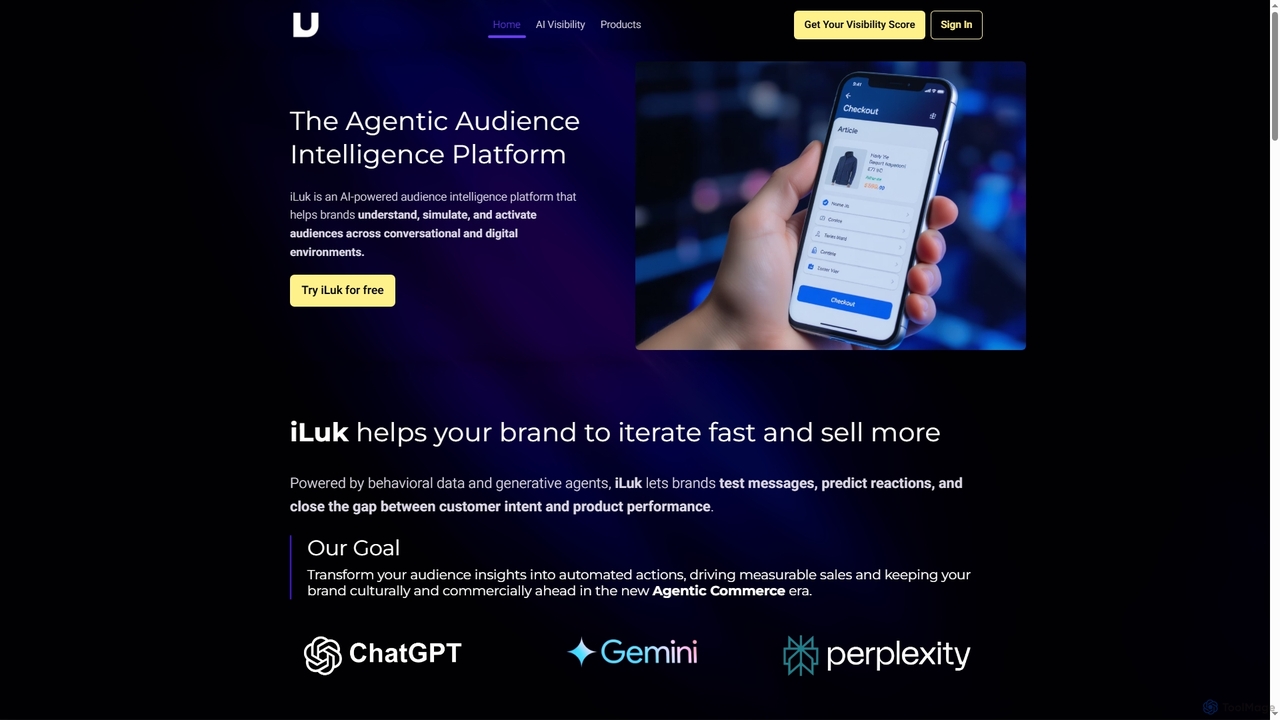
iLuk is an AI-powered audience intelligence platform that helps brands understand, simulate, and activate audiences across conversational and …
iLuk is an AI-powered audience intelligence platform that helps brands understand, simulate, and activate audiences across conversational and digital environments. It enables rapid iteration, predicts reactions, and optimizes brand visibility within large language models (LLMs) to drive sales in the Agentic Commerce era.
infiniteanalytics
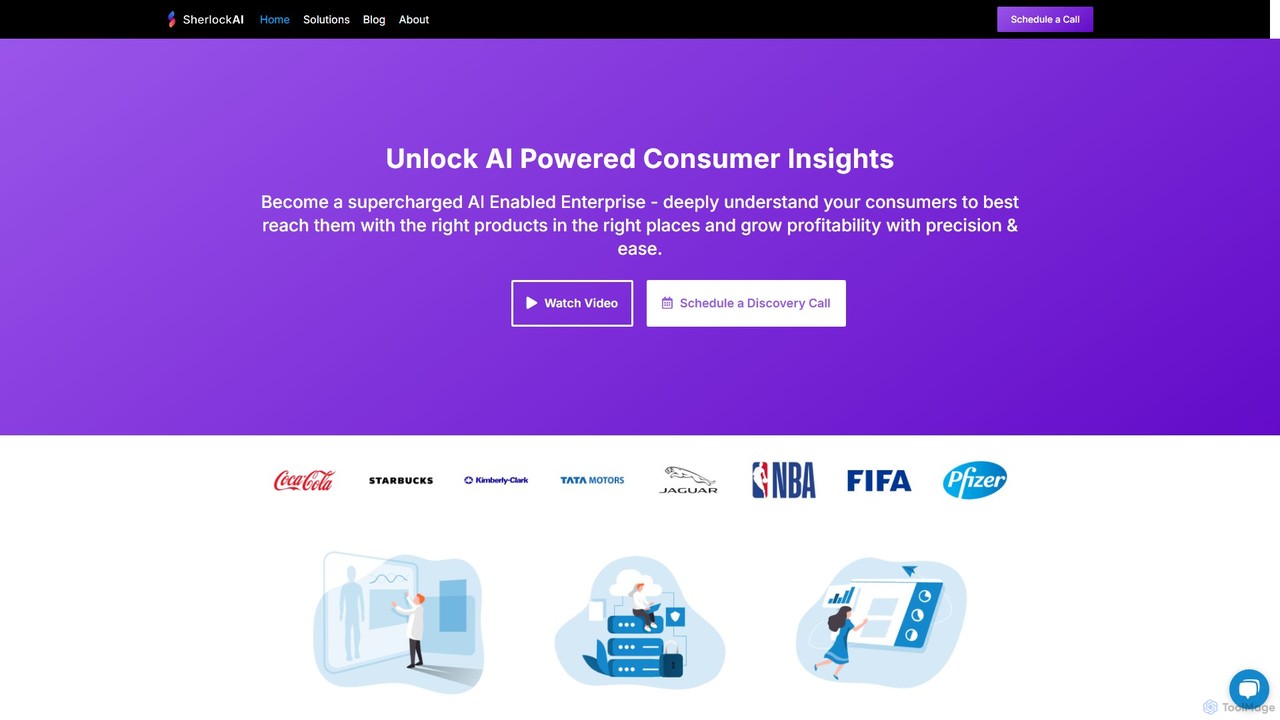
Infinite Analytics offers Sherlock AI, an enterprise-grade platform that provides deep consumer insights, marketing intelligence, and location analytics. …
Infinite Analytics offers Sherlock AI, an enterprise-grade platform that provides deep consumer insights, marketing intelligence, and location analytics. By analyzing data from over 350 million consumers, it helps businesses understand their audience, optimize marketing campaigns across channels like Meta and Google, and make strategic decisions for site selection and retail strategy. It's designed for data-driven growth and enhanced profitability.
About Audience Intelligence
Audience Intelligence tools are AI-powered solutions designed to gather, analyze, and interpret vast amounts of data about target audiences. These tools leverage machine learning and natural language processing to uncover deep insights into consumer behaviors, preferences, demographics, and psychographics. By providing a comprehensive understanding of who your customers are and what drives them, Audience Intelligence empowers businesses to create highly targeted marketing campaigns, develop relevant products, and optimize communication strategies. They offer a proactive approach to understanding market dynamics and consumer sentiment, moving beyond traditional, often reactive, market research methods.
Core Features
- Demographic & Psychographic Profiling: Analyzes age, gender, location, income, interests, values, and lifestyle to build detailed audience segments.
- Behavioral Analysis: Tracks online activities, purchase history, content consumption, and social media interactions to understand user journeys.
- Sentiment Analysis: Monitors public opinion and emotional tone towards brands, products, or topics across various digital channels.
- Trend Prediction: Identifies emerging consumer trends and shifts in market demand based on real-time data analysis.
- Competitor Audience Insights: Reveals the audience profiles and engagement strategies of competitors, highlighting opportunities and gaps.
Use Cases
Marketing strategists utilize Audience Intelligence to refine their segmentation and targeting, ensuring ad spend is directed towards the most receptive groups. Product managers leverage these insights to identify unmet customer needs and validate new feature ideas, aligning product development with actual market demand. Content creators use the data to understand what topics resonate most with their audience, informing content strategy and increasing engagement.
How to Choose
When selecting Audience Intelligence tools, consider the breadth and depth of data sources they integrate (e.g., social media, web analytics, CRM). Evaluate the accuracy and granularity of their analytical capabilities, especially for psychographic profiling and sentiment analysis. Assess the ease of integration with existing marketing and CRM platforms, and look for intuitive dashboards that provide actionable insights rather than just raw data. Finally, consider scalability to ensure the tool can grow with your business needs.

Audience IntelligenceUse Cases
Discovering Untapped Niche Markets
A marketing agency uses Audience Intelligence to analyze online conversations and search patterns related to a broad industry. By identifying underserved sub-segments with high engagement but low competition, they can advise clients on launching new products or services tailored to these specific, high-potential niche audiences, leading to increased market share and reduced acquisition costs.
Tailoring Content for Maximum Engagement
A content creator or media company employs Audience Intelligence to understand the specific interests, preferred formats, and consumption habits of different audience segments. This enables them to personalize content topics, tone, and distribution channels, ensuring that each piece of content resonates deeply with its intended audience, thereby boosting engagement rates and subscriber growth.
Enhancing Ad Campaign Performance
An e-commerce business utilizes Audience Intelligence to build highly precise audience profiles based on purchase history, browsing behavior, and psychographic data. These profiles are then used to refine targeting parameters for digital advertising platforms, leading to significantly higher click-through rates, lower cost-per-acquisition, and improved return on ad spend by reaching the most relevant consumers.
Gaining Competitor Audience Insights
A brand manager uses Audience Intelligence tools to analyze the audience demographics, interests, and engagement patterns of their direct competitors. This provides valuable insights into competitor strengths and weaknesses in attracting and retaining specific customer segments, informing strategic adjustments to their own marketing and product positioning to capture a larger share of the market.
Forecasting Consumer Trends for Innovation
A product development team leverages Audience Intelligence to monitor real-time conversations, emerging keywords, and sentiment shifts across social media and forums. By identifying nascent consumer needs and preferences before they become mainstream, they can proactively develop innovative products or features that align with future market demand, gaining a significant first-mover advantage.
Enhancing Customer Support with Insights
A customer service department integrates Audience Intelligence to analyze common pain points, sentiment, and frequently asked questions from different customer segments. This data helps them anticipate customer needs, personalize support interactions, and proactively address issues, leading to higher customer satisfaction, reduced churn, and more efficient service operations.