
ToolMage
Sign in

Best 1 Content Distribution AI tools for Marketing

Popular Content Distribution AI tools in Marketing include Allpub, helping you work more efficiently.

Allpub
Freemium

Allpub

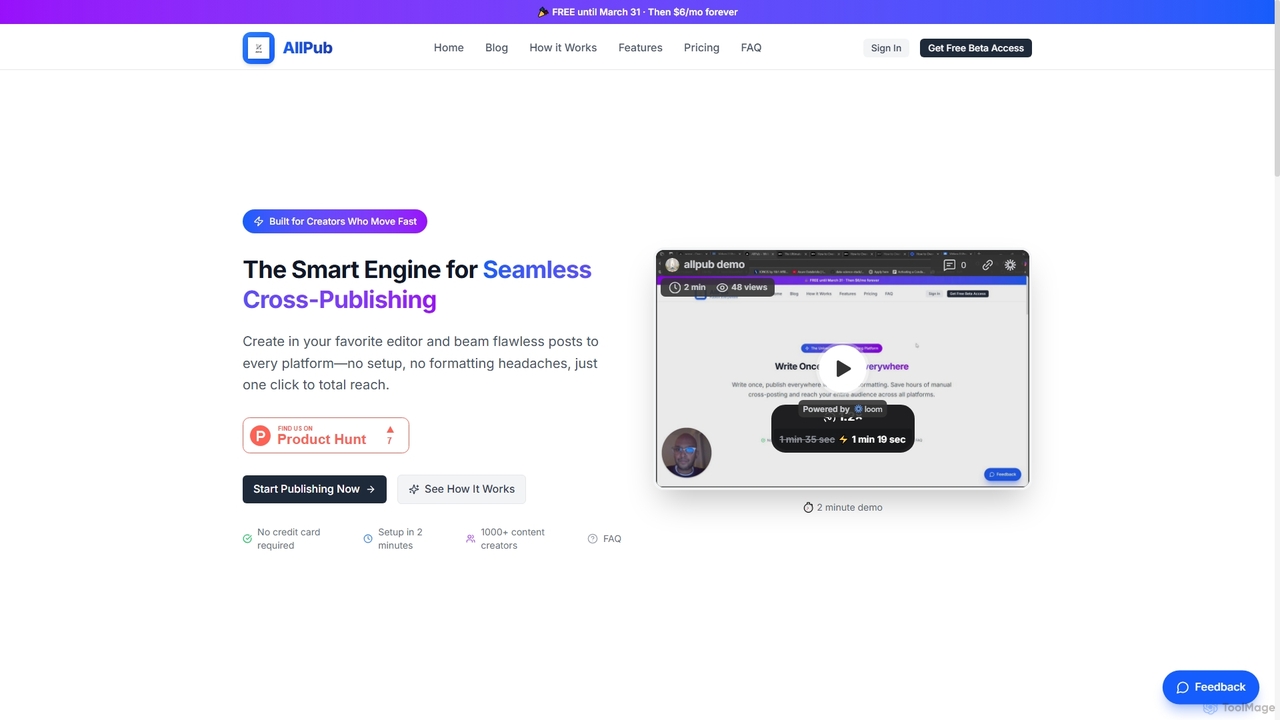
Allpub is an AI-powered cross-publishing platform designed for content creators. Write in your preferred editor like Notion, Google Docs, or Markdown, and seamlessly publish to multiple platforms such as Dev.to and Hashnode with a single click. It features smart formatting and AI enhancements for titles, summaries, and keywords to maximize your content's reach.

Blogging
Visits 6.6KFavorites 136Likes 152

About Content Distribution

Content Distribution tools are AI-powered platforms designed to automate and optimize the sharing of content across various digital channels. These tools use algorithms to determine the best times, formats, and platforms for posting, ensuring content reaches the most relevant audience for maximum impact. By automating scheduling, repurposing, and analysis, they help marketers scale their outreach efforts efficiently. This strategic dissemination moves beyond simple scheduling to actively enhance content visibility and engagement within the broader marketing ecosystem.

Core Features

  • Automated Scheduling: AI determines optimal posting times for each platform and automatically publishes content.
  • Content Repurposing: Automatically transforms long-form content like blog posts into social media snippets, threads, or video clips.
  • Multi-Channel Management: A centralized dashboard to plan, execute, and monitor content campaigns across social media, blogs, and newsletters.
  • Performance Analytics: Gathers data on engagement, reach, and conversions, providing insights to refine future distribution strategies.
  • Audience Targeting: Suggests the most effective channels and content formats based on target audience data and behavior.

Use Cases

These tools are ideal for marketing teams, content creators, and social media managers responsible for maintaining a consistent and impactful online presence. For instance, a B2B company can use them to distribute a whitepaper as a series of LinkedIn posts, a Twitter thread, and a newsletter highlight. A solo creator can repurpose a single YouTube video into dozens of short-form clips for TikTok and Instagram Reels, drastically increasing their content output.

How to Choose

When selecting a Content Distribution tool, consider the range of supported platforms and ensure your key channels are included. Evaluate the sophistication of its AI repurposing capabilities—does it simply extract text or can it create new formats? Assess the depth of the analytics and reporting features for measuring ROI. Finally, consider its integration capabilities with your existing content creation and CRM systems for a seamless workflow.

Content Distribution use cases

1

Automating Social Media Calendars for Marketing Teams

A corporate marketing team manages five social media channels (LinkedIn, Twitter, Facebook, Instagram, TikTok) and needs to post twice daily on each. Manually scheduling 70 posts a week is time-consuming and prone to error. Using an AI Content Distribution tool, they upload their approved content assets. The AI analyzes historical performance data to automatically schedule each post for its optimal engagement time on each specific platform. This saves the team over 10 hours per week and increases overall engagement by an average of 25% by avoiding suboptimal posting times.

2

Repurposing Blog Posts into Micro-Content

A content creator publishes one in-depth, 2000-word blog post per week. To maximize its reach, they use an AI distribution tool. The tool scans the blog post, identifies key takeaways, and automatically generates a 10-tweet thread, three distinct LinkedIn posts with different angles, and five Instagram post captions with relevant hashtags. This allows the creator to populate their social channels with high-quality, relevant content derived from a single source, multiplying their content output by nearly 20x without significant extra effort.

3

Coordinating Multi-Channel Product Launches

A SaaS company is launching a new feature. The campaign requires coordinated announcements across their blog, email newsletter, Twitter, LinkedIn, and a partner network. The product marketing manager uses a distribution tool to create a unified campaign timeline. They schedule a blog post to go live, an email to be sent 30 minutes later, and a series of social media posts to be published throughout the day, all from one interface. The tool ensures consistent messaging and timing, preventing accidental early leaks and maximizing the launch day impact.

4

Amplifying Corporate Announcements

A public relations team needs to distribute a press release about quarterly earnings. Instead of just sending it to news wires, they use an AI distribution tool to amplify the message. The tool helps them schedule simultaneous posts on the company's LinkedIn and Twitter accounts, targeting financial journalists and investors. It also repurposes the key financial highlights from the press release into an infographic-style summary for Instagram and a short video script for the CEO, ensuring the announcement reaches a wider audience across different formats and platforms.

5

Building Personal Brand Authority for Experts

A consultant wants to establish themselves as a thought leader in their industry. They write one insightful article per month. Using a distribution tool, they schedule the article to be published on their blog and LinkedIn. The AI then automatically creates 15-20 short, thought-provoking posts based on the article's content. These are scheduled to be drip-fed on Twitter and LinkedIn over the next month. This creates a consistent stream of valuable content, keeping them top-of-mind with their audience and building their authority without requiring daily content creation.

6

Scaling E-commerce Content Promotion

An online store owner adds 10 new products to their catalog each week. Manually creating promotional posts for each product on Pinterest, Instagram, and Facebook is unsustainable. They connect their e-commerce platform to an AI distribution tool. The tool automatically pulls new product images and descriptions, generates unique promotional copy for each social platform, and schedules the posts to go live throughout the week. This ensures every new product gets visibility without manual intervention, directly driving traffic and sales from social channels.

Content Distribution FAQ

What are AI Content Distribution tools?

AI Content Distribution tools are software platforms that use artificial intelligence to automate and optimize the process of sharing content across multiple channels like social media, blogs, and email. Their primary function is to analyze content and audience data to determine the best time, format, and channel for publication to maximize reach and engagement. Unlike simple schedulers, they often include features for content repurposing and performance analytics.

How to choose the right AI Content Distribution tool?

To choose the right tool, consider these factors:

  • Channel Integrations: Ensure it supports all the social media platforms, blog systems, and email services you use.
  • Repurposing Capabilities: Evaluate how well the AI can transform your core content. Can it create video clips from text, or just text snippets?
  • Analytics and Reporting: Look for a tool that provides clear, actionable insights into what content performs best on which channels and why.
  • Workflow and Usability: The interface should be intuitive and fit into your existing content creation and approval processes.
What's the difference between Content Distribution and Social Media Scheduling tools?

The main difference lies in intelligence and scope. A Social Media Scheduling tool primarily automates the posting of pre-made content at user-defined times. An AI Content Distribution tool is more strategic; it not only schedules posts but also uses AI to determine the optimal time, helps repurpose a single piece of content into multiple formats for different channels, and provides deeper analytics on cross-channel campaign performance. Distribution tools are a broader, more intelligent evolution of schedulers.

What are the main benefits of using AI for content distribution?

The primary benefits include:

  • Time Savings: Automating scheduling and repurposing frees up significant time for strategic work.
  • Increased Reach and Engagement: AI-optimized posting times and formats ensure content is seen by more of the right people when they are most active.
  • Content Maximization: It allows you to get more value from a single piece of content by easily turning it into dozens of smaller assets.
  • Data-Driven Strategy: Provides concrete performance data across all channels, enabling marketers to make smarter decisions about future content.
Who should use AI Content Distribution tools?

These tools are most beneficial for individuals and teams who manage multiple content channels and aim to scale their content marketing efforts. This includes:

  • Marketing Teams: To coordinate campaigns and maintain brand consistency across all digital touchpoints.
  • Content Creators & Bloggers: To maximize the reach of their original work without spending all their time on promotion.
  • Social Media Managers: To move beyond manual scheduling and adopt a more data-driven, efficient workflow.
  • Small Business Owners: To compete with larger companies by maintaining an active, professional online presence with limited resources.