ToolMage
Sign in

Best 49 Conversion Optimization AI tools for Marketing

Popular Conversion Optimization AI tools in Marketing include Intellimize, Digistore24, Unbounce, Plerdy, Landing Page AI, Heap, GetButton, Poper, Shogun, and Attention Insight, helping you work more efficiently.

crovert
Freemium

crovert

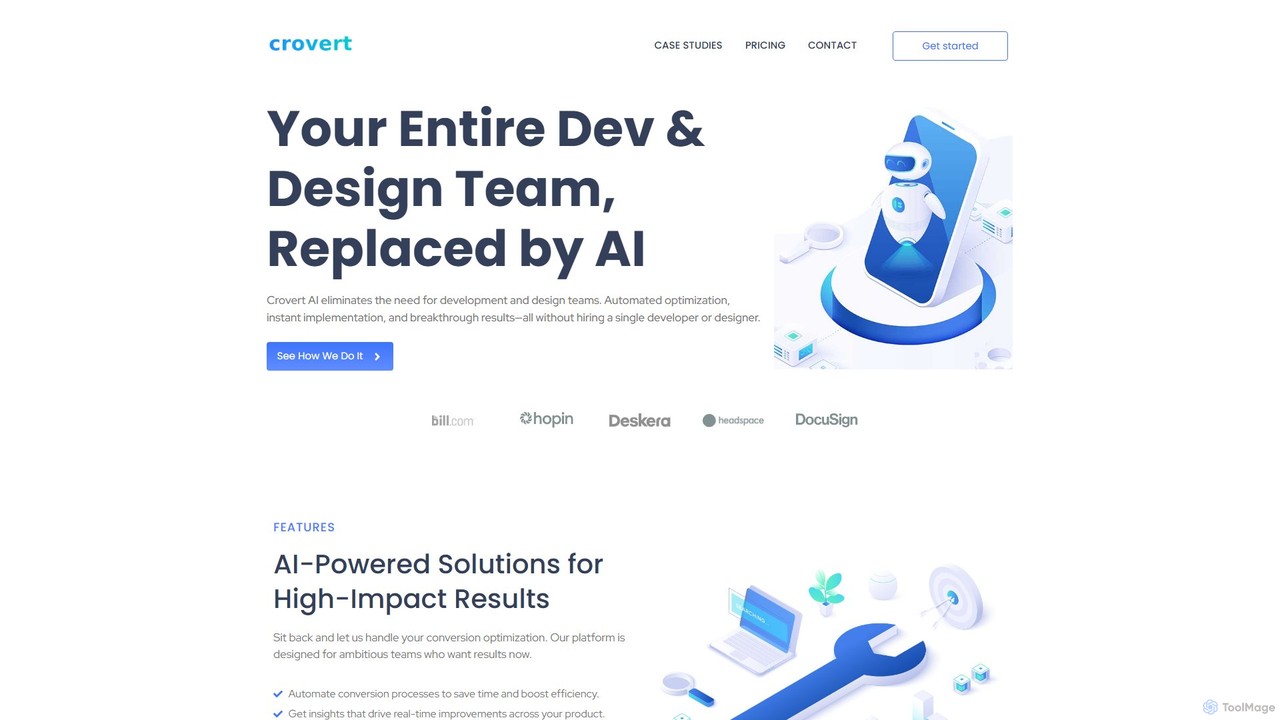
crovert is an AI-powered platform that automates conversion rate optimization (CRO), effectively replacing the need for dedicated development and design teams. It analyzes user behavior, runs automated A/B tests, personalizes content, and implements winning variations instantly to significantly boost website conversions, leads, and revenue for businesses of all sizes.

Website Analytics
Visits 5.5KFavorites 136Likes 122
About Conversion Optimization

Conversion Optimization tools are a specialized category of marketing AI designed to analyze user behavior and systematically improve the percentage of website visitors who complete a desired action. These tools utilize technologies like A/B testing, heatmaps, and personalization engines to identify friction points in the user journey. By enabling data-driven experimentation, they help businesses increase key metrics such as sales, sign-ups, or leads without needing to increase traffic. This focus on maximizing the value of existing visitors distinguishes them within the broader marketing technology landscape.

Core Features

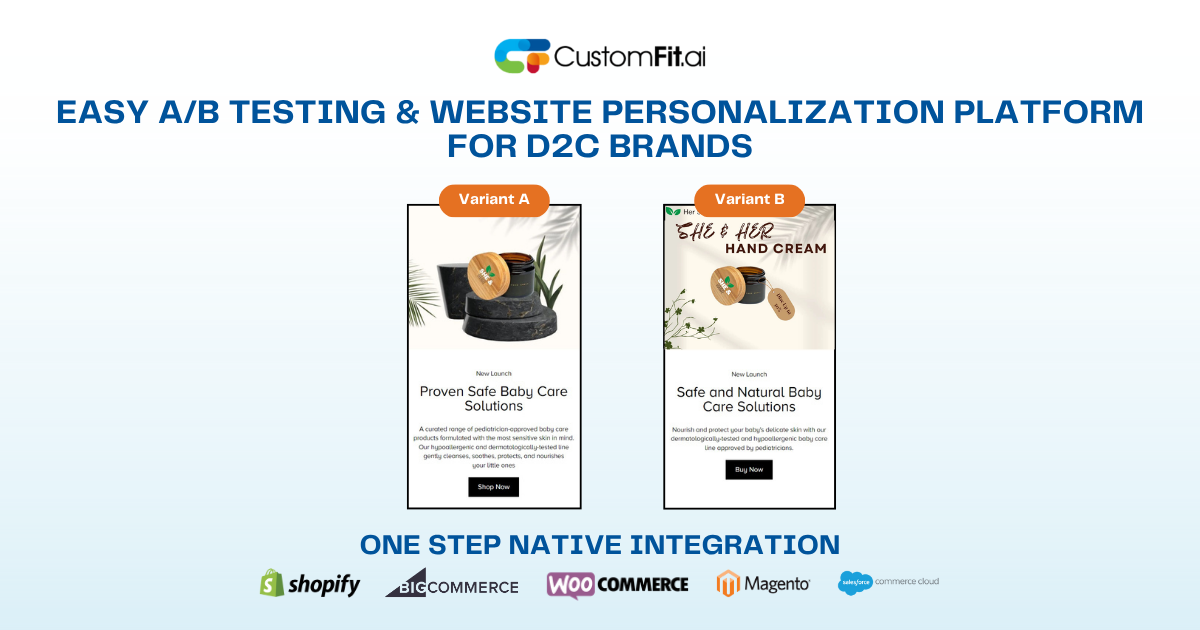
  • A/B & Multivariate Testing: Empirically test variations of headlines, images, layouts, and calls-to-action to determine the highest-performing version.
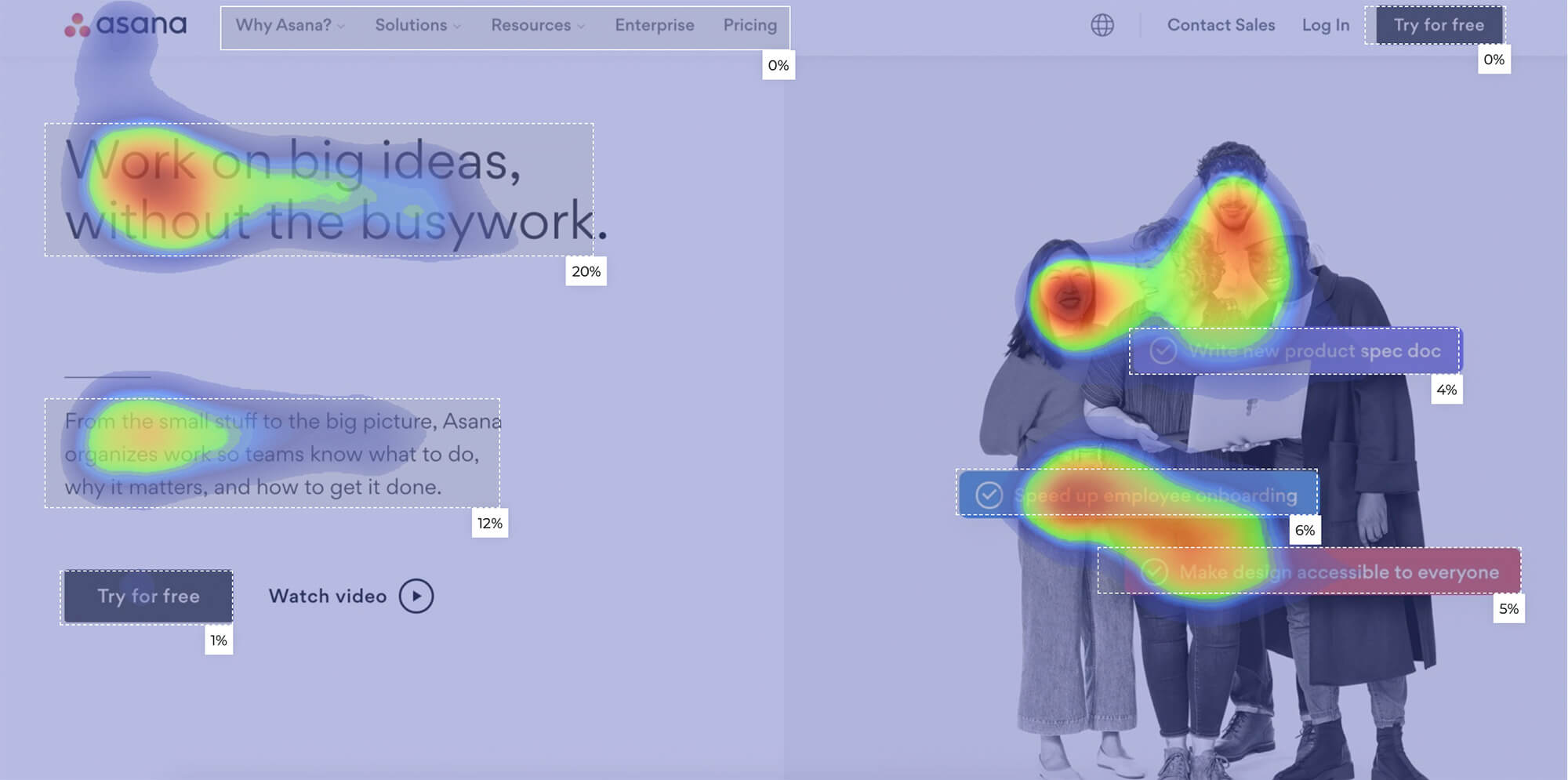
  • Heatmaps & Session Replays: Visually represent where users click, scroll, and move on a page, and record anonymous user sessions to understand behavior.
  • AI-Powered Personalization: Dynamically tailor website content, offers, and experiences to different user segments based on their behavior or demographics.
  • Funnel Analysis: Map and analyze user progression through key steps (e.g., checkout or sign-up) to identify where they drop off.
  • On-Site Surveys & Feedback: Collect direct qualitative feedback from visitors to understand their motivations and points of frustration.

Applicable Scenarios

These tools are essential for e-commerce businesses aiming to reduce cart abandonment, SaaS companies looking to increase trial sign-ups, and lead generation websites seeking to improve form submission rates. Roles such as digital marketers, product managers, and UX/UI designers use them to validate design changes, optimize landing pages, and enhance the overall user experience.

Selection Criteria

When choosing a tool, consider its integration capabilities with your existing platforms (e.g., CMS, analytics). Evaluate the scope of its testing features (A/B, multivariate, split URL) and the depth of its analytics. Also, assess the user interface's ease of use for non-technical team members and ensure its data privacy practices comply with regulations like GDPR or CCPA.

Featured tool rankings

Conversion Optimization use cases

1

Optimizing E-commerce Product Page Layouts

An e-commerce manager wants to increase the 'Add to Cart' rate for a best-selling product. Using a conversion optimization tool, they set up an A/B test. Version A is the current page layout. Version B moves the product description above the customer reviews and uses a larger, more prominent 'Add to Cart' button. The tool automatically splits incoming traffic between the two versions and tracks conversions. After running the test for two weeks, the data clearly shows that Version B has a 15% higher conversion rate. The manager then confidently implements the new layout as the permanent design, resulting in a direct and measurable increase in revenue.

2

Improving SaaS Sign-up Funnel with Heatmaps

A product manager for a SaaS company notices a high drop-off rate on their multi-step sign-up form. To understand why, they use a conversion optimization tool to generate heatmaps and scroll maps for each step. The heatmap reveals that very few users are clicking on the 'Learn More' link for the premium plan, and the scroll map shows most people don't scroll down to see the security badges. Based on these visual insights, the team redesigns the form to be a single page and places the security badges near the top. This change reduces friction and builds trust earlier, leading to a 25% increase in completed trial sign-ups.

3

Personalizing Homepage Offers for Visitor Segments

A digital marketer for an online course platform wants to increase course enrollments. They use a personalization tool to segment their website visitors into two groups: 'New Visitors' and 'Returning Users'. For new visitors, the homepage hero section displays a '10% Off Your First Course' offer. For returning users who have previously browsed courses, the same section dynamically shows a 'Continue Your Learning Journey' message with links to the courses they viewed. This targeted approach makes the content more relevant to each user's context. As a result, the platform sees a significant lift in engagement and a 12% increase in overall course enrollments.

4

Reducing Form Abandonment with Session Replays

A lead generation manager observes that many users start filling out their 'Request a Demo' form but don't complete it. To diagnose the issue, they use a conversion optimization tool to watch anonymized session replays of users interacting with the form. They discover a common pattern: users hesitate and often re-type information in the 'Phone Number' field, which has strict formatting requirements. Realizing this field is causing friction, they make it optional. After implementing the change, form completion rates increase by 30%, significantly boosting the number of qualified leads for the sales team.

5

Gathering User Feedback with Targeted On-Site Surveys

A UX researcher for a travel booking website wants to understand why visitors are abandoning the flight search results page. Instead of guessing, they use a conversion tool to deploy an exit-intent survey. When a user's cursor moves towards closing the tab, a small pop-up appears asking, 'What was missing from your search results today?'. The collected responses reveal that many users were looking for more flexible date options. Armed with this direct feedback, the product team prioritizes the development of a 'Flexible Dates' search feature, directly addressing a key user need and improving future conversion rates.

6

Validating a New Checkout Process with Split URL Testing

A development team has built a completely redesigned, single-page checkout process for their e-commerce store, believing it will be faster and more user-friendly. Before replacing the old multi-page process, the product manager uses a conversion optimization tool to run a split URL test. 50% of users who click 'Checkout' are sent to the old URL (e.g., /checkout-old), and the other 50% are sent to the new URL (/checkout-new). The tool measures the final conversion rate for both paths. The test confirms their hypothesis: the new single-page checkout increases completed purchases by 8%. This data-backed validation gives them the confidence to roll out the new process to all users.

Conversion Optimization FAQ

What are AI Conversion Optimization tools?

AI Conversion Optimization tools are software platforms that use artificial intelligence to help businesses increase the percentage of website or app users who complete a desired goal (a 'conversion'). They go beyond simple analytics by providing features for testing changes, understanding user behavior, and personalizing experiences. Key functions often include A/B testing to compare design variations, heatmaps to visualize user clicks and scrolls, and AI-driven personalization to show different content to different users. The primary purpose is to make data-driven decisions to improve user experience and achieve business objectives like more sales or sign-ups.

How do Conversion Optimization tools differ from standard Web Analytics tools?

Web Analytics tools (like Google Analytics) are excellent at telling you what is happening on your site. They provide quantitative data on traffic, page views, bounce rates, and conversion numbers. Conversion Optimization (CRO) tools, on the other hand, are designed to help you understand why it's happening and how to improve it. They provide qualitative insights through features like heatmaps and session replays, and allow you to act on those insights by running experiments like A/B tests. In short:

  • Analytics Tools: Focus on measurement and reporting (the 'what').
  • CRO Tools: Focus on diagnosis and experimentation (the 'why' and 'how').
The two types of tools are most powerful when used together.

How do I choose the right Conversion Optimization tool for my business?

Choosing the right tool depends on your specific needs. First, define your primary goal: are you an e-commerce site focused on sales, or a SaaS company focused on sign-ups? This will determine the features you need most. Consider these factors:

  • Key Features: Do you need basic A/B testing, or more advanced features like multivariate testing, personalization, and funnel analysis?
  • Ease of Use: Is the tool intuitive for marketers, or does it require developer support to implement tests?
  • Integrations: Does it connect seamlessly with your existing analytics, CMS, and marketing automation platforms?
  • Budget and Scalability: Evaluate the pricing model (often based on traffic) and ensure it can grow with your business.
Start by identifying your most critical conversion problem and select a tool with the strongest features to solve it.

What are the key features to look for in a Conversion Optimization tool?

While features vary, a comprehensive Conversion Optimization tool should offer a core set of capabilities. Look for:

  • Testing Framework: The ability to run A/B tests, split URL tests, and ideally multivariate tests to compare multiple changes at once.
  • Behavioral Analytics: Visual tools like heatmaps, scroll maps, and session replays to understand user interaction beyond just numbers.
  • Personalization Engine: The capacity to segment your audience and deliver targeted content, offers, or experiences to different groups.
  • Funnel Analysis: Tools to map out key user journeys (like a checkout process) and identify exactly where users are dropping off.
  • Feedback Collection: Features like on-site polls and surveys to gather direct, qualitative feedback from your visitors.
A good platform integrates these features to provide a complete cycle of insight, testing, and improvement.

Who in a company typically uses Conversion Optimization tools?

Conversion Optimization is a cross-functional discipline. While it's often led by the marketing department, several roles benefit from and contribute to using these tools:

  • Digital Marketers: To optimize landing pages for campaigns and improve lead generation.
  • Product Managers: To test new features, validate hypotheses, and improve user onboarding flows.
  • UX/UI Designers: To gather qualitative data on user behavior and test the effectiveness of new designs.
  • E-commerce Managers: To reduce cart abandonment, improve product page layouts, and increase average order value.
  • Data Analysts: To dig deeper into experiment results and uncover new opportunities for testing.
Effective use often involves a dedicated 'growth' or 'optimization' team that includes members from these different areas.