WC Contour
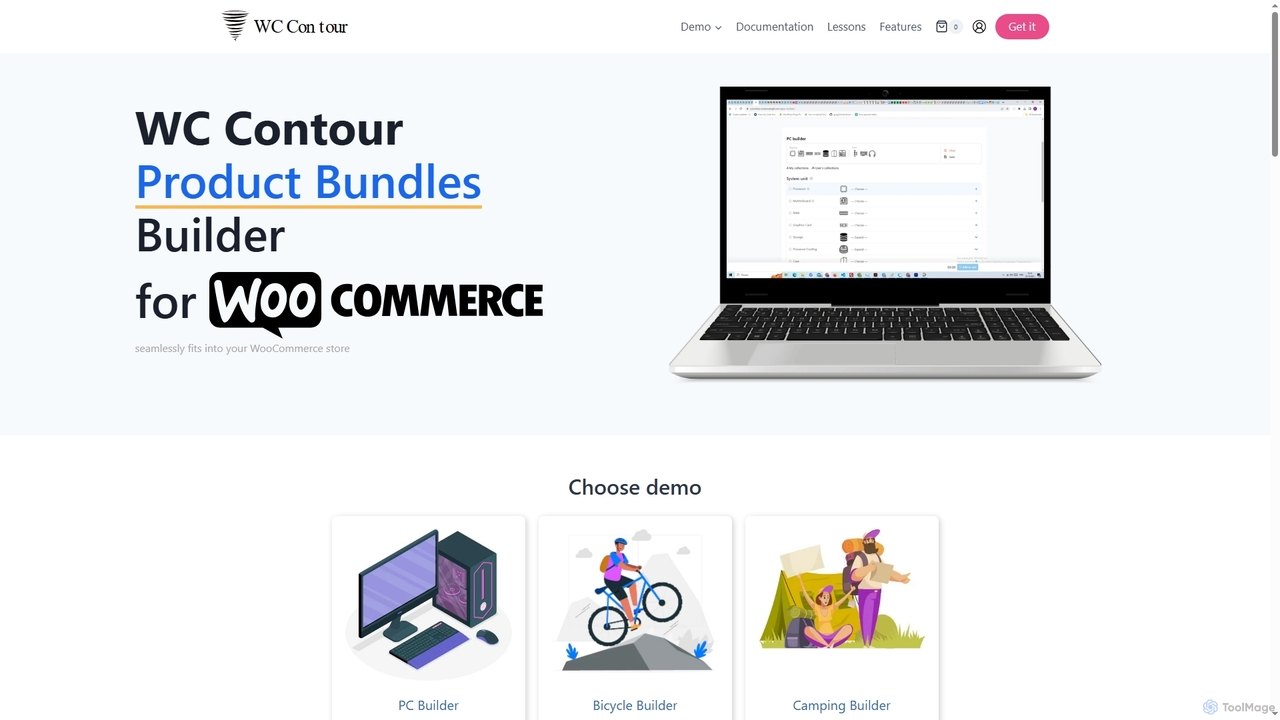
WC Contour is a powerful WooCommerce plugin designed to help shop owners create dynamic and interactive product bundles …
WC Contour is a powerful WooCommerce plugin designed to help shop owners create dynamic and interactive product bundles and configurators. It enables customers to build personalized product collections, enhancing cross-selling and improving the shopping experience directly on a single page.
About Cross Selling
AI Cross Selling tools are a specialized category of marketing software that uses machine learning to identify and recommend complementary products or services to existing customers. These tools analyze customer data, such as purchase history and browsing behavior, to predict which additional items a customer is most likely to buy. Their primary goal is to increase average order value (AOV) and enhance customer lifetime value (LTV) by making relevant, personalized suggestions. Unlike general recommendation engines, AI cross-selling tools focus specifically on suggesting different but related products, rather than just similar or popular ones.
Core Features
- Predictive Product Recommendations: Analyzes user data to suggest highly relevant complementary items at the point of sale or in marketing communications.
- Customer Segmentation: Automatically groups customers based on purchasing patterns and behavior for targeted cross-selling campaigns.
- Dynamic Personalization: Displays personalized cross-sell offers on websites, emails, or apps in real-time based on user actions.
- A/B Testing for Offers: Allows marketers to test different cross-selling strategies, placements, and product combinations to optimize conversion rates.
- Performance Analytics: Provides detailed reports on AOV, conversion rates, and revenue generated from cross-selling activities.
Use Cases
These tools are predominantly used in e-commerce, retail, SaaS, and financial services. Roles like marketing managers, e-commerce specialists, and sales teams leverage them to maximize revenue from their existing customer base. For example, an online fashion store uses it to suggest a matching belt with a pair of trousers, or a SaaS company offers an advanced analytics add-on to a user of their basic plan.
How to Choose
Selection should be based on integration capabilities with your existing CRM or e-commerce platform (e.g., Shopify, Salesforce). Also, consider the sophistication of the AI model, the level of personalization and control offered, and the clarity of the analytics dashboard. Finally, evaluate the pricing model—whether it's based on usage, revenue share, or a flat subscription fee.
Cross SellingUse Cases
Enhancing E-commerce Checkout Experience
An online electronics retailer integrates an AI cross-selling tool into their checkout page. When a customer adds a camera to their cart, the tool instantly suggests a compatible memory card, a camera bag, and an extended warranty based on data from thousands of previous purchases. This not only increases the average order value but also provides a more helpful shopping experience for the customer, who might have forgotten these necessary accessories.
Personalizing Post-Purchase Email Campaigns
A subscription box service uses an AI cross-selling tool to analyze a customer's past boxes and ratings. A week after delivery, the system automatically sends a personalized email offering a one-time purchase of a full-sized version of a sample product the customer rated highly. This targeted approach feels less like a generic ad and more like a thoughtful recommendation, increasing both sales and customer loyalty.
Offering Add-on Features in SaaS
A project management SaaS company uses an AI tool to monitor user behavior. When the system detects a team frequently reaching their plan's file storage limits, it triggers a contextual in-app message. The message offers a seamless upgrade to a higher-tier plan or an add-on module for more storage, presented at the exact moment the user feels the need for it, increasing the adoption of premium features.
Bundling Services in the Travel Industry
An online travel agency uses AI to cross-sell services. When a customer books a flight, the tool analyzes the trip details (duration, destination, season) and suggests relevant add-ons. For a family booking a beach vacation, it might offer airport transfers, travel insurance, and tickets to a local water park. For a business traveler, it might suggest car rentals and hotel loyalty program sign-ups, creating a more comprehensive and convenient travel package.
Offering Complementary Financial Products
A banking institution uses an AI cross-selling platform to analyze a customer's financial profile. When a customer is approved for a mortgage, the system identifies this as a key life event. It then automatically suggests relevant products like homeowner's insurance or a home equity line of credit through the customer's online banking portal, creating a holistic and timely service experience.
Increasing In-App Purchases for Mobile Games
A mobile game developer employs an AI cross-selling engine to analyze player behavior. After a player completes a difficult level, the tool might offer a special bundle containing power-ups and cosmetic items that are popular among other players at a similar skill level. This timely and relevant offer is more likely to convert than a generic pop-up, boosting in-app purchase revenue and improving player engagement by providing valuable items.