
ToolMage
Sign in

Best 1 Product Bundling AI tools for Ecommerce

Popular Product Bundling AI tools in Ecommerce include WC Contour, helping you work more efficiently.

WC Contour
Freemium

WC Contour

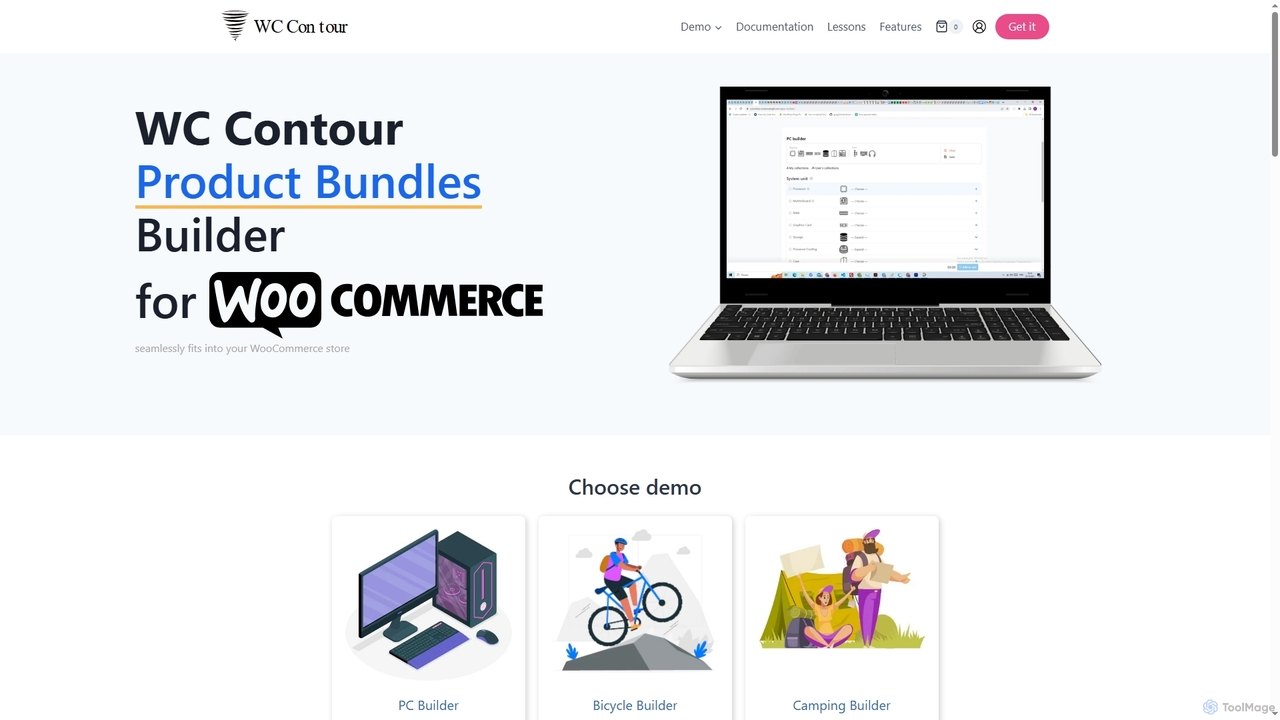
WC Contour is a powerful WooCommerce plugin designed to help shop owners create dynamic and interactive product bundles and configurators. It enables customers to build personalized product collections, enhancing cross-selling and improving the shopping experience directly on a single page.

Product Bundling
Visits 5.6KFavorites 141Likes 152

About Product Bundling

AI Product Bundling tools are a specialized category of ecommerce software that uses machine learning to intelligently group and sell multiple products as a single package. These tools analyze customer data, purchase history, and product correlations to automatically create high-conversion bundles. By offering relevant and attractive product combinations, they help online stores increase average order value (AOV), improve product discovery, and move inventory more effectively. They go beyond simple manual bundling by dynamically adapting suggestions based on real-time user behavior.

Core Features

  • Dynamic Bundle Creation: Automatically generates bundles based on sales data, user behavior, or specific inventory levels.
  • AI-Powered Recommendations: Suggests "frequently bought together" items or personalized add-ons on product and cart pages.
  • Pricing Optimization: Recommends optimal bundle prices to maximize both conversion rates and profit margins.
  • Performance Analytics: Provides detailed reports on bundle performance, sales lift, and customer engagement.

Use Cases

These tools are widely used by direct-to-consumer (DTC) brands across fashion, electronics, beauty, and home goods. For example, a cosmetics store can automatically create 'Get the Look' kits based on trending styles, while an electronics retailer can bundle a camera with a compatible lens and memory card to simplify the purchasing process for customers.

How to Choose

When selecting a tool, consider its integration capabilities with your ecommerce platform (like Shopify or Magento), the sophistication of its recommendation algorithm, the level of customization available for bundle presentation, and its analytics and reporting features to measure ROI.

Product Bundling use cases

1

Increase Average Order Value with Smart Upsells

An online fashion retailer uses an AI bundling tool to analyze cart contents in real-time. When a customer adds a dress, the tool automatically suggests a bundle including matching shoes and a handbag at a slight discount. This "Complete the Look" offer is presented as a one-click upsell in the cart, encouraging a larger purchase. This strategy directly increases the average order value (AOV) by transforming single-item purchases into multi-item sales without requiring manual setup for every product combination.

2

Automate "Frequently Bought Together" Sections

An electronics store integrates an AI bundling tool to replace its static "related products" section. The AI continuously analyzes purchase data to identify true product correlations. On a laptop's product page, it dynamically displays a bundle with a specific mouse, laptop sleeve, and software that are most frequently purchased by other customers. This provides more relevant recommendations than manual curation, improving cross-selling and enhancing the customer's shopping experience.

3

Create Personalized "Build Your Own" Bundles

A cosmetics brand allows customers to create their own personalized skincare kits. The AI tool guides the process by suggesting compatible products based on the customer's initial selections or skin type profile. For instance, after selecting a cleanser for oily skin, the AI recommends a matching toner and moisturizer. This interactive approach increases engagement and ensures customers build an effective, personalized regimen, leading to higher satisfaction and repeat purchases.

4

Liquidate Slow-Moving Inventory Strategically

A home goods store needs to clear out last season's cushion covers. Instead of deep-discounting them individually, they use an AI bundling tool to pair them with bestselling sofas or chairs. The AI identifies which bestsellers are most likely to drive the sale of the bundled cushion covers. The bundle is offered at an attractive price, effectively moving the excess stock without devaluing the popular items and recovering capital from slow-moving inventory.

5

Curate Themed Subscription Boxes

A gourmet food subscription service uses an AI tool to curate its monthly boxes. The system analyzes subscriber preferences, past ratings, and current inventory levels to assemble unique, personalized boxes for different customer segments. It ensures a good mix of new and popular items while optimizing for inventory usage. This data-driven curation enhances the customer experience, reduces churn, and makes the fulfillment process more efficient than manual selection.

6

Launch Effective Seasonal & Holiday Campaigns

For the holiday season, a gift shop uses an AI bundling tool to quickly create and test various gift sets. The AI suggests bundles like a "Cozy Winter Night" kit (blanket, mug, hot chocolate) based on trending products and past holiday sales data. The store can launch dozens of targeted bundles in minutes and use the tool's analytics to see which ones are performing best, allowing them to optimize their marketing efforts and maximize seasonal revenue.

Product Bundling FAQ

What are AI Product Bundling tools?

AI Product Bundling tools are ecommerce applications that use machine learning to automatically create and suggest groups of products to be sold together. Unlike manual bundling, they analyze customer behavior and sales data to identify the most effective product combinations, aiming to increase average order value and sales.

How do I choose the right AI Product Bundling tool?

When choosing a tool, evaluate these factors:

  • Platform Integration: Ensure it seamlessly connects with your ecommerce platform (e.g., Shopify, BigCommerce, Magento).
  • Algorithm Quality: Check if it offers dynamic, data-driven recommendations versus simple static rules.
  • Customization: Look for options to control the appearance and placement of bundle offers.
  • Analytics: A good tool provides clear reports on bundle performance and revenue lift.

What is the difference between AI bundling and manual bundling?

The key difference is intelligence and automation. Manual bundling requires a store manager to guess which products will sell well together and create fixed bundles. AI bundling uses data to discover non-obvious product relationships, personalizes recommendations for individual shoppers, and can dynamically adjust offers based on real-time trends, leading to higher conversion rates.

What are the main benefits of using AI for product bundling?

The primary benefits include: a significant increase in Average Order Value (AOV) through effective upselling and cross-selling; improved product discovery, helping customers find relevant items they might have missed; strategic inventory management by bundling slow-moving items with bestsellers; and an enhanced customer experience through personalized and relevant offers.

Which types of businesses benefit most from AI Product Bundling?

While almost any ecommerce store can benefit, businesses with a large catalog of complementary products see the most impact. This includes industries like fashion and apparel (e.g., "complete the look"), electronics (e.g., "starter kits"), beauty and cosmetics (e.g., "skincare routines"), and home goods (e.g., "room sets").