ToolMage
Sign in

Best 26 Customer Engagement AI tools for Marketing

Popular Customer Engagement AI tools in Marketing include Canny, Pushwoosh, Userpilot, EngageLab, Dynamo, Bettermode, Olark, Haut.AI, Plotline, and Bolten, helping you work more efficiently.

InnossistAI
Freemium

InnossistAI

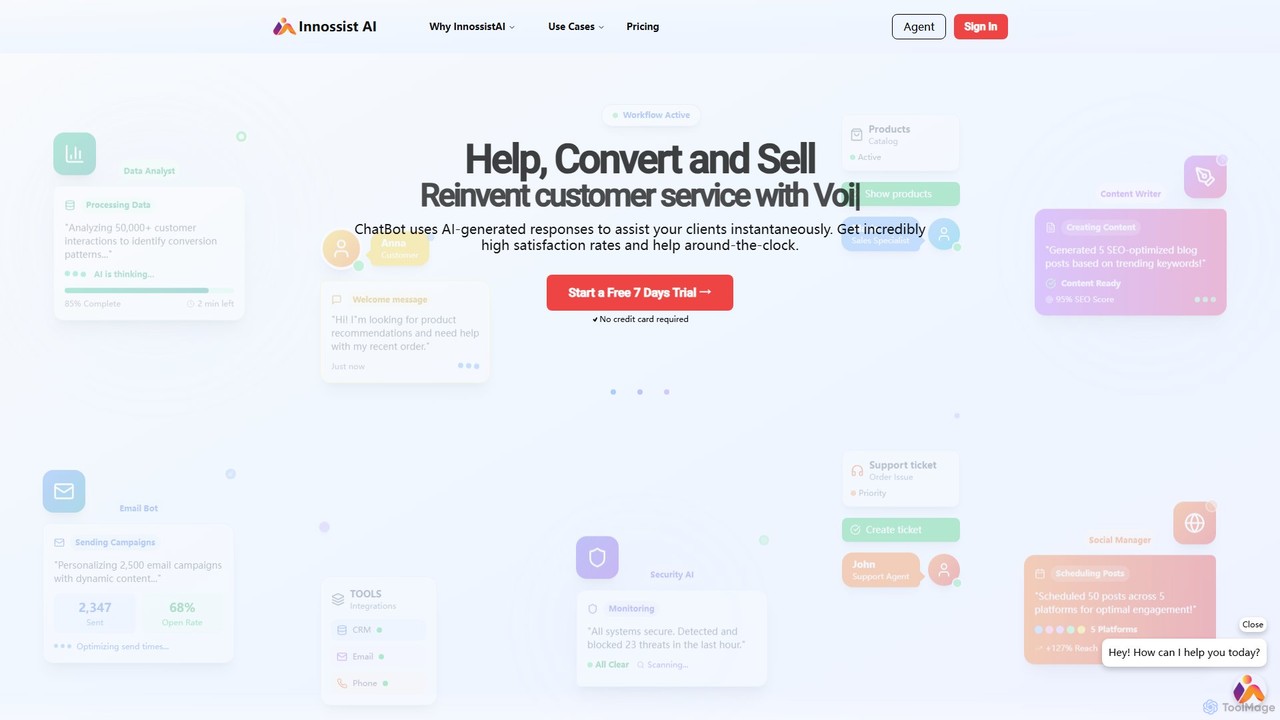
InnossistAI is an AI-powered support system that enables businesses to create custom chatbots for their websites. Train your AI assistant using your own content, such as websites, PDFs, or text, to provide instant, 24/7 customer service. It automates responses, enhances user satisfaction, and includes features like live agent transfer and audio calls for complex inquiries, streamlining your entire support workflow.

Chatbot
Visits 6KFavorites 95Likes 121
ngrow
Freemium

ngrow

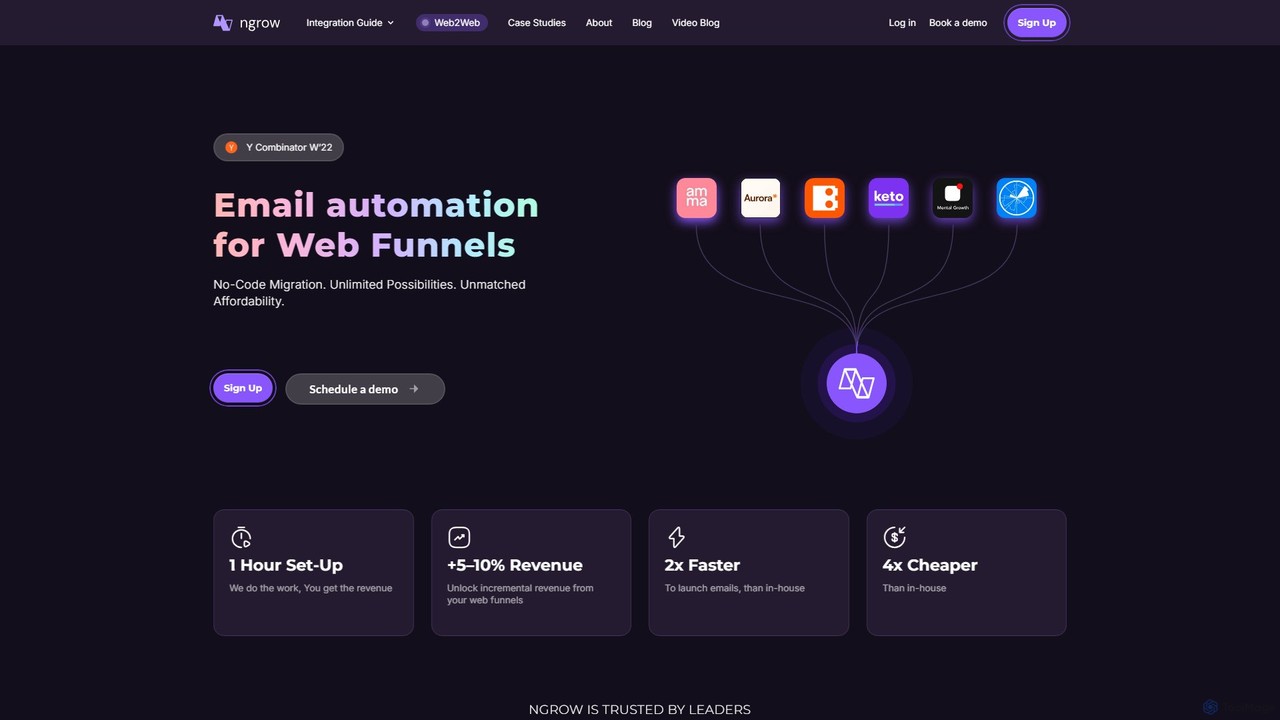
ngrow is an AI-driven customer engagement platform that boosts revenue and retention for mobile apps, games, and e-commerce. It automates personalized push notifications and emails using predictive segmentation, AI-optimized timing, and human-like content generation, all without requiring an SDK for fast, effortless integration.

Customer Engagement
Visits 10.7KFavorites 131Likes 156

About Customer Engagement

Customer Engagement AI tools are a category of artificial intelligence solutions designed to enhance and automate interactions between businesses and their customers across various touchpoints. These tools leverage advanced natural language processing (NLP), machine learning, and data analytics to understand customer needs, personalize communications, and streamline support processes. By providing timely, relevant, and consistent interactions, they aim to build stronger customer relationships, improve satisfaction, and drive loyalty, forming a critical component within broader marketing strategies.

Core Features

  • Personalized Communication: Delivers tailored messages, offers, and content based on individual customer behavior and preferences.
  • Automated Customer Support: Provides instant, 24/7 assistance through AI chatbots and virtual assistants, resolving common queries efficiently.
  • Sentiment Analysis: Analyzes customer feedback from various channels to gauge emotional tone and identify areas for improvement.
  • Proactive Outreach: Identifies potential issues or opportunities and initiates communication with customers before they arise.
  • Behavioral Analytics: Tracks and interprets customer actions to predict future needs and optimize engagement strategies.

Applicable Scenarios

These tools are vital for businesses in e-commerce, SaaS, financial services, and telecommunications seeking to scale their customer interactions without compromising quality. Customer service departments use them to offload routine inquiries, while marketing teams deploy them for hyper-personalized campaign delivery. Sales teams leverage AI for lead qualification and nurturing, ensuring more efficient follow-ups and improved conversion rates.

How to Choose

When selecting AI customer engagement tools, consider their integration capabilities with existing CRM and marketing automation platforms. Evaluate the sophistication of their NLP for understanding diverse customer queries and the level of personalization they can offer. Scalability to handle growing customer volumes and robust data privacy features are also crucial. Finally, assess the ease of customization to align with your brand voice and specific business processes.

Featured tool rankings

Customer Engagement use cases

1

Automating Personalized Email Campaigns

Marketing managers in e-commerce use AI customer engagement tools to segment audiences dynamically and generate personalized email content, product recommendations, and special offers. The AI analyzes past purchase history, browsing behavior, and engagement metrics to craft highly relevant messages, significantly increasing open rates and conversion efficiency compared to generic campaigns.

2

Providing Instant 24/7 Customer Support

Customer service departments deploy AI-powered chatbots on websites and messaging apps to handle common customer inquiries around the clock. These chatbots can answer FAQs, guide users through troubleshooting steps, and even process simple transactions, freeing human agents to focus on complex issues and improving overall customer satisfaction with immediate responses.

3

Analyzing Customer Feedback for Product Improvement

Product development teams and customer experience (CX) managers utilize AI tools to perform sentiment analysis on vast amounts of customer feedback from social media, reviews, and support tickets. The AI identifies recurring themes, pain points, and positive sentiments, providing actionable insights that directly inform product enhancements and service improvements.

4

Proactive Churn Prevention and Retention

Subscription-based businesses or SaaS providers use AI to monitor customer usage patterns and engagement levels. When the AI detects signs of disengagement or potential churn (e.g., reduced login frequency, declining feature usage), it triggers proactive outreach, such as personalized offers, tutorials, or direct contact from a success manager, to re-engage the customer.

5

Personalizing Website and App Experiences

Digital marketers and UX designers employ AI to dynamically adapt website content, product displays, and navigation paths based on individual visitor behavior, demographics, and preferences. This creates a highly personalized journey for each user, leading to increased time on site, higher conversion rates, and a more intuitive user experience.

6

Optimizing Sales Lead Qualification and Nurturing

Sales teams integrate AI conversational agents into their lead generation process. These AI tools engage with website visitors or inbound leads, asking qualifying questions, providing relevant information, and even scheduling appointments. This automates the initial stages of the sales funnel, ensuring that human sales representatives receive higher-quality, pre-qualified leads.

Customer Engagement FAQ

What are AI Customer Engagement tools?

AI Customer Engagement tools are software solutions that use artificial intelligence to automate, personalize, and optimize interactions between businesses and their customers. They leverage technologies like natural language processing (NLP), machine learning, and predictive analytics to understand customer needs, deliver tailored communications, and provide efficient support across various channels, ultimately aiming to build stronger relationships and improve customer loyalty.

How do AI tools enhance customer engagement?

AI tools enhance customer engagement by enabling hyper-personalization, providing instant 24/7 support, and offering proactive assistance. They analyze vast amounts of data to understand individual customer preferences, allowing businesses to deliver relevant content and offers. AI-powered chatbots and virtual assistants ensure immediate responses to queries, while predictive analytics help anticipate needs and prevent issues, leading to more satisfying and efficient customer journeys.

How to choose the best AI customer engagement platform?

To choose the best AI customer engagement platform, evaluate its core functionalities such as personalization capabilities, automation features (e.g., chatbots, email sequences), and analytics for sentiment and behavior. Consider its integration with your existing CRM, marketing automation, and support systems. Assess scalability for future growth, data security and compliance, and the level of customization offered to match your brand's unique voice and operational needs. Finally, review vendor support and pricing models.

What's the difference between AI Customer Engagement and traditional CRM?

Traditional CRM (Customer Relationship Management) systems primarily focus on managing customer data, tracking interactions, and streamlining sales/service processes. AI Customer Engagement tools, while often integrating with CRM, go a step further by actively engaging with customers using intelligent automation and personalization. They leverage AI to understand and predict customer behavior, automate proactive outreach, and deliver dynamic, context-aware interactions, transforming passive data management into active relationship building.

Who benefits most from using AI customer engagement solutions?

Businesses across various sectors benefit significantly, especially those with large customer bases or complex service needs, such as e-commerce, SaaS, financial services, and telecommunications. Customer service teams gain efficiency by automating routine inquiries. Marketing teams achieve higher conversion rates through hyper-personalized campaigns. Sales teams improve lead qualification, and product teams gain deeper insights from sentiment analysis, leading to better product development and overall customer experience.