Marketing Best in category 3 results Customer Intelligence AI Tool

Popular AI tools in the Customer Intelligence field of Marketing include Plat.AI、Lifemind、Foqus, etc., helping you quickly improve efficiency.

Plat.AI

Plat.AI

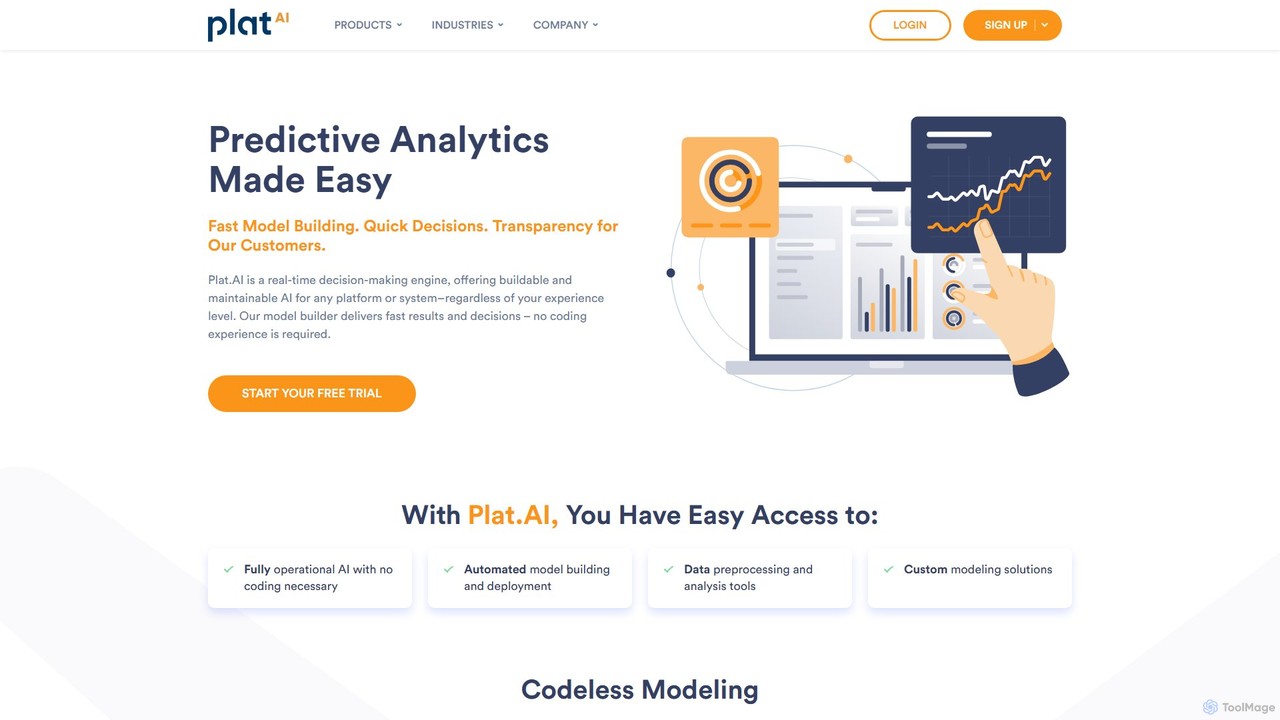
Plat.AI is an automated predictive analytics platform for businesses. It transforms existing company data into real-time, actionable insights …

7.6K
Lifemind

Lifemind

Lifemind is an AI-powered marketing platform that provides deep customer insights through values-based audience segmentation. It helps businesses …

5.5K
Foqus

Foqus

Foqus is an AI-powered behavioral intelligence platform designed for marketing teams. It provides deep customer profiling and automated …

4.7K

About Customer Intelligence

Customer Intelligence tools are AI-powered platforms that leverage advanced data analytics and machine learning to provide deep, actionable insights into customer behavior and preferences. These tools transform raw customer data from various touchpoints—including sales, marketing, and service interactions—into a comprehensive understanding of individual and collective customer journeys. By analyzing patterns, identifying trends, and predicting future actions, Customer Intelligence empowers businesses to make data-driven decisions, optimize marketing strategies, and foster stronger, more personalized customer relationships within the broader marketing landscape.

Core Features

  • Customer Segmentation: Automatically group customers based on demographics, purchase history, behavioral patterns, and value for highly targeted marketing and sales strategies.
  • Predictive Analytics: Forecast future customer actions, such as purchase likelihood, churn risk, engagement levels, and lifetime value, enabling proactive interventions.
  • Sentiment Analysis: Analyze customer feedback from reviews, social media, surveys, and support interactions to gauge overall sentiment and identify specific pain points or delights.
  • Personalized Recommendations: Deliver tailored product, service, or content suggestions to individual customers based on their unique profiles, past interactions, and real-time behavior.
  • Customer Journey Mapping: Visualize and understand the complete customer lifecycle, from initial awareness to post-purchase support, identifying key touchpoints and opportunities for improvement.

Applicable Scenarios

Customer Intelligence tools are vital for businesses aiming to personalize experiences, optimize marketing efforts, and enhance customer satisfaction. E-commerce platforms extensively use them to deliver individualized product recommendations and dynamic pricing. Marketing teams refine campaigns by understanding audience segments and predicting campaign effectiveness. Customer service departments leverage insights to proactively address potential issues, personalize support, and improve overall satisfaction, ultimately driving more effective marketing and sales strategies and fostering long-term loyalty.

How to Choose

When selecting a Customer Intelligence platform, prioritize its data integration capabilities with existing systems like CRM, ERP, and marketing automation platforms to ensure a unified data view. Evaluate the depth and breadth of its analytical features, including advanced predictive modeling, real-time insights, and customizable reporting. Consider the platform's scalability to accommodate future data growth and its user-friendliness for various team members. Finally, assess its compliance with global data privacy regulations (e.g., GDPR, CCPA) and the quality and responsiveness of its customer support and training resources.

Customer IntelligenceUse Cases

1

Optimize Marketing Campaigns with Targeted Segmentation

Marketing managers utilize Customer Intelligence tools to segment their audience with precision, moving beyond basic demographics to include behavioral data and purchase history. By understanding which customer groups respond best to specific messaging or channels, they can tailor campaigns for higher engagement and conversion rates. This leads to more efficient ad spend and a stronger return on investment by reaching the right customers with the right message at the right time.

2

Enhance Product Development with Customer Insights

Product development teams leverage Customer Intelligence to gather and analyze customer feedback, feature requests, and usage patterns. By identifying common pain points or unmet needs across customer segments, they can prioritize new features or product improvements that genuinely resonate with their target market. This data-driven approach ensures that product roadmaps are aligned with actual customer desires, reducing development risks and increasing market adoption.

3

Personalize Customer Experiences in E-commerce

E-commerce businesses use Customer Intelligence to deliver highly personalized shopping experiences. By analyzing browsing behavior, purchase history, and real-time interactions, the tools can recommend relevant products, offer dynamic pricing, or suggest complementary items. This level of personalization not only increases conversion rates and average order value but also enhances customer satisfaction and loyalty, making each customer feel uniquely understood and valued.

4

Improve Customer Retention by Identifying At-Risk Customers

Customer service and retention teams deploy Customer Intelligence to proactively identify customers who show signs of churn. By analyzing engagement metrics, support ticket history, and sentiment analysis, the tools can flag customers with declining activity or negative feedback. This allows businesses to initiate targeted outreach, offer personalized solutions, or provide incentives to re-engage these customers before they fully disengage, significantly improving retention rates and customer lifetime value.

5

Predict Customer Churn and Lifetime Value

Data analysts and business strategists employ Customer Intelligence platforms for advanced predictive modeling. These tools can forecast which customers are most likely to churn in the near future or estimate the potential lifetime value of new customers. By understanding these probabilities, businesses can allocate resources more effectively, focusing retention efforts on high-value, at-risk customers and optimizing acquisition strategies to attract customers with higher long-term potential, thereby maximizing profitability.

6

Identify High-Value Customer Segments for Loyalty Programs

Businesses use Customer Intelligence to pinpoint their most valuable customer segments. By analyzing purchase frequency, average transaction value, and engagement levels, these tools can identify top-tier customers who contribute most to revenue. This insight enables companies to design exclusive loyalty programs, personalized rewards, and VIP experiences tailored to these segments, fostering stronger relationships and encouraging continued high-value purchases, thereby maximizing customer lifetime value and advocacy.

Customer IntelligenceFrequently Asked Questions