Marketing Best in category 6 results Audience Segmentation AI Tool

Popular AI tools in the Audience Segmentation field of Marketing include enhencer、ExactBuyer、Versium、Lifemind、CherryPick、AudiencePlus, etc., helping you quickly improve efficiency.

AudiencePlus

AudiencePlus

AudiencePlus is an AI-powered Meta optimization layer for e-commerce brands, specifically designed for Shopify stores. It connects Shopify …

2.9K
Lifemind

Lifemind

Lifemind is an AI-powered marketing platform that provides deep customer insights through values-based audience segmentation. It helps businesses …

5.6K
ExactBuyer

ExactBuyer

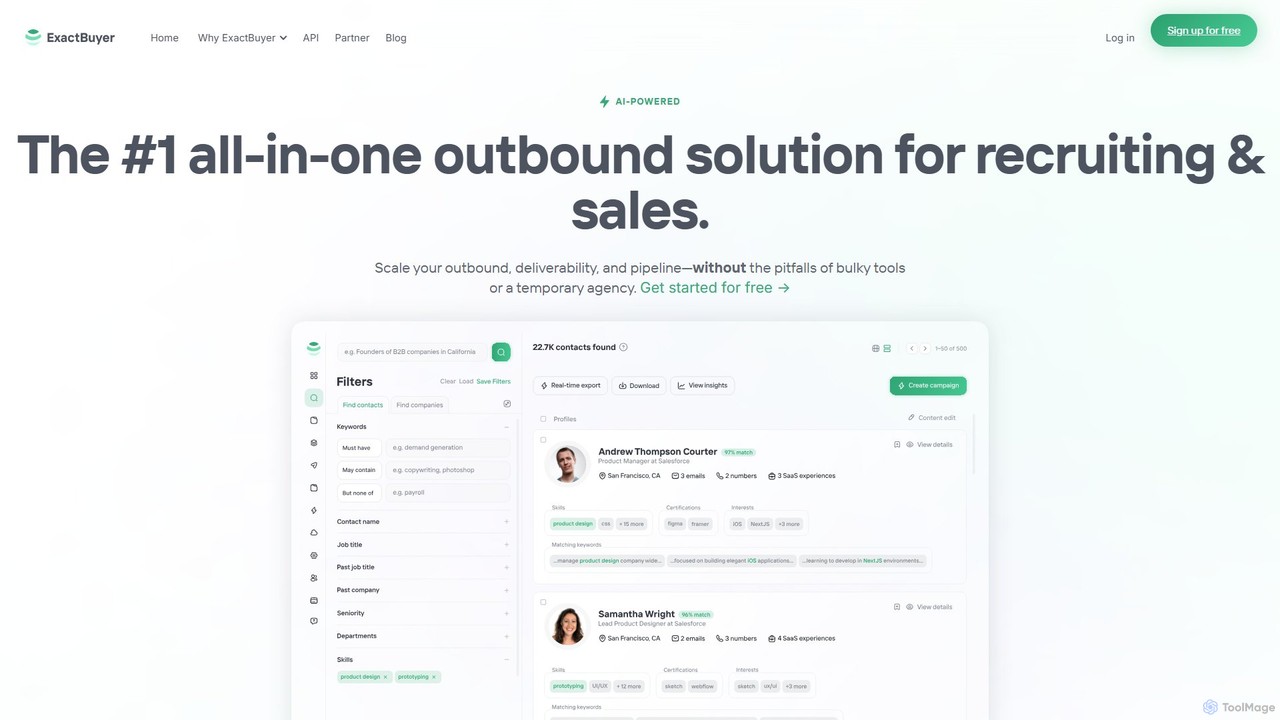
ExactBuyer is an AI-powered B2B acquisition platform for sales, marketing, and recruiting teams. It provides real-time, verified contact …

12.6K
enhencer

enhencer

enhencer is an AI-powered advertising platform for e-commerce, designed to maximize Return on Ad Spend (ROAS) on Facebook, …

33.8K
Versium

Versium

Versium is a data technology platform that helps B2B and B2C marketers identify, understand, and reach their ideal …

11.5K
CherryPick

CherryPick

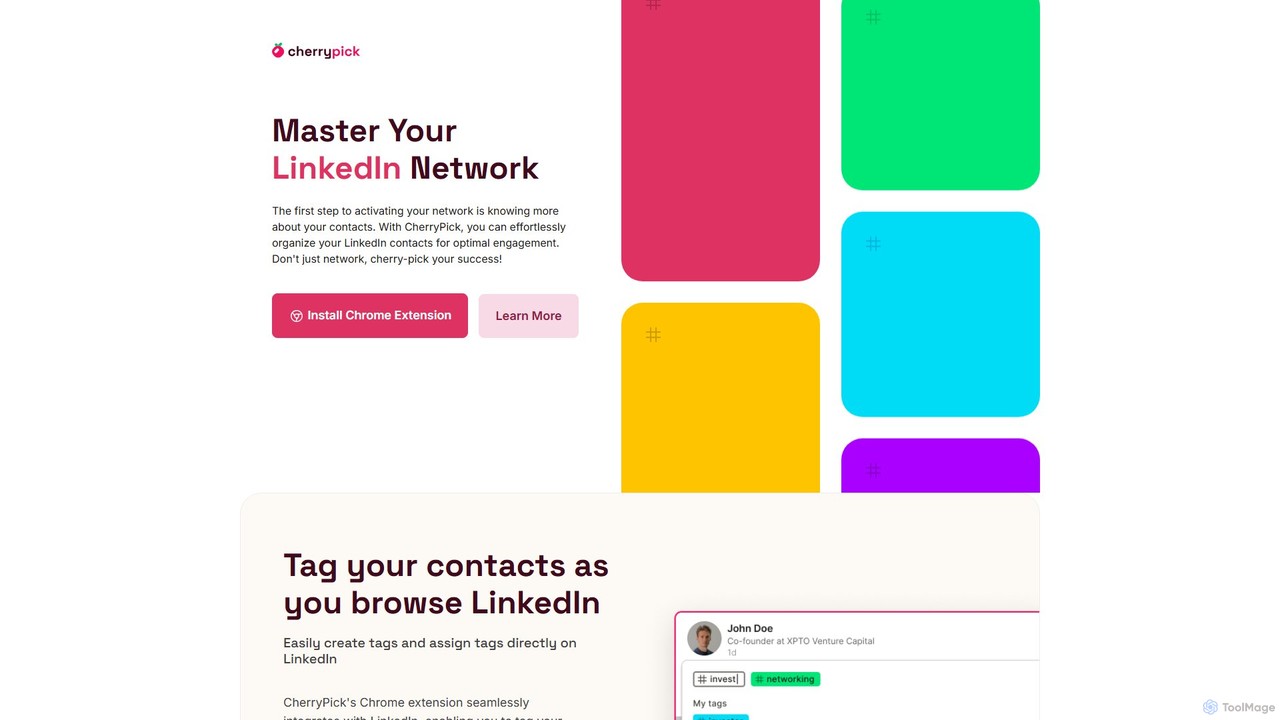
CherryPick is a Chrome extension designed to organize your LinkedIn network. It allows you to add custom tags …

3.0K

About Audience Segmentation

Audience Segmentation tools are AI-powered platforms that automatically classify users into distinct groups based on behavioral, demographic, and predictive data. These tools utilize machine learning algorithms to analyze vast datasets, uncovering complex patterns and correlations that manual analysis would miss. This enables businesses to move beyond basic segmentation and implement highly personalized marketing strategies, ultimately improving engagement and conversion rates. The core value lies in creating dynamic, data-driven segments that adapt to changing customer behaviors in real time.

Core Features

  • Predictive Clustering: Uses machine learning to identify users who are likely to convert, churn, or perform a specific action in the future.
  • Behavioral Analysis: Automatically groups users based on their interactions, such as purchase history, website navigation, and feature usage.
  • Dynamic Segmentation: Segments are continuously updated in real-time as new user data becomes available, ensuring accuracy.
  • Multi-Source Data Integration: Connects with various data sources like CRM, analytics platforms, and marketing automation tools for a unified customer view.
  • Segment Activation: Directly pushes defined audience segments to advertising platforms, email marketing tools, and other channels for immediate use.

Use Cases

These tools are widely used in e-commerce, SaaS, media, and B2B marketing. For instance, an e-commerce store can identify a segment of 'high-value bargain hunters' to send targeted promotions. A SaaS company can create a 'high churn risk' segment to proactively engage users with support and incentives. This level of detail allows for precise and effective communication strategies.

How to Choose

When selecting an Audience Segmentation tool, consider its integration capabilities with your existing tech stack (e.g., CRM, email platform). Evaluate the sophistication of its AI models—does it offer predictive capabilities or just descriptive clustering? Also, assess the ease of use for non-technical users and the platform's ability to activate segments directly into your marketing channels. Finally, consider the pricing model and whether it scales with your user base.

Audience SegmentationUse Cases

1

Identify High-Value Customers for E-commerce

An e-commerce marketing manager needs to boost sales from their most valuable customers. Instead of using simple rules like 'total spend', they use an AI segmentation tool to analyze thousands of data points, including browsing frequency, product categories viewed, time between purchases, and discount sensitivity. The tool automatically identifies a 'Loyal High-Spender' segment. The manager then activates this segment in their email marketing platform to send exclusive early access to new collections, resulting in a 25% higher conversion rate compared to general campaigns.

2

Reduce SaaS Customer Churn with Predictive Segmentation

A product manager at a SaaS company wants to proactively reduce customer churn. They integrate their product analytics and CRM data into an AI segmentation tool. The tool's predictive model identifies a segment of users exhibiting behaviors that correlate with past churned accounts, such as decreased feature usage and fewer logins. This 'At-Risk' segment is then automatically synced to their customer success platform, triggering a workflow for the team to reach out with personalized support, training resources, or special offers, successfully reducing churn in this group by 15%.

3

Personalize Content for a Media Publisher

A content strategist for a digital media outlet aims to increase newsletter open rates and on-site engagement. They use an AI segmentation tool to analyze the reading history of their subscribers. The tool automatically creates clusters like 'Tech Early Adopters', 'Political News Junkies', and 'Business & Finance Analysts'. Instead of sending one generic newsletter, they tailor three different versions with content specific to each segment's interests. This personalization leads to a 40% increase in click-through rates and longer average session durations on the website.

4

Optimize Ad Spend with Lookalike Audience Creation

A digital advertising specialist wants to improve the return on ad spend (ROAS) for a new campaign. They first use an AI segmentation tool to identify the profile of their top 10% converting customers from past campaigns. The tool analyzes hundreds of attributes to create a detailed persona. This high-value segment profile is then used as a seed audience to build a 'lookalike' audience on social media and ad networks. By targeting users who share similar characteristics with their best customers, the campaign achieves a 50% lower cost per acquisition (CPA) compared to broad targeting methods.

5

Enhance User Onboarding for a Mobile App

The growth team for a new productivity app notices a high drop-off rate during the first week. Using an AI segmentation tool, they analyze the initial in-app actions of new users. The tool identifies two main segments: 'Power Users' who immediately explore advanced features, and 'Basic Users' who stick to core functions. The team then personalizes the onboarding experience. 'Power Users' receive tips on advanced integrations, while 'Basic Users' get a guided tour of fundamental features. This tailored approach increases the 7-day retention rate by 20%.

6

Prioritize Leads for B2B Sales Teams

A B2B marketing team generates hundreds of leads per month, but the sales team struggles to identify the best ones to contact first. They use an AI segmentation tool connected to their CRM and website analytics. The AI analyzes firmographics (company size, industry) and behavioral data (pages visited, content downloaded). It creates a predictive 'High-Intent' segment of leads from companies that match their ideal customer profile and have shown strong engagement. This segment is flagged in the CRM, allowing sales reps to focus their efforts on the most promising opportunities, increasing lead-to-opportunity conversion rates.

Audience SegmentationFrequently Asked Questions