ToolMage
Sign in

Best 2 Performance Marketing AI tools for Advertising

Popular Performance Marketing AI tools in Advertising include Drope and AudiencePlus, helping you work more efficiently.

AudiencePlus

AudiencePlus

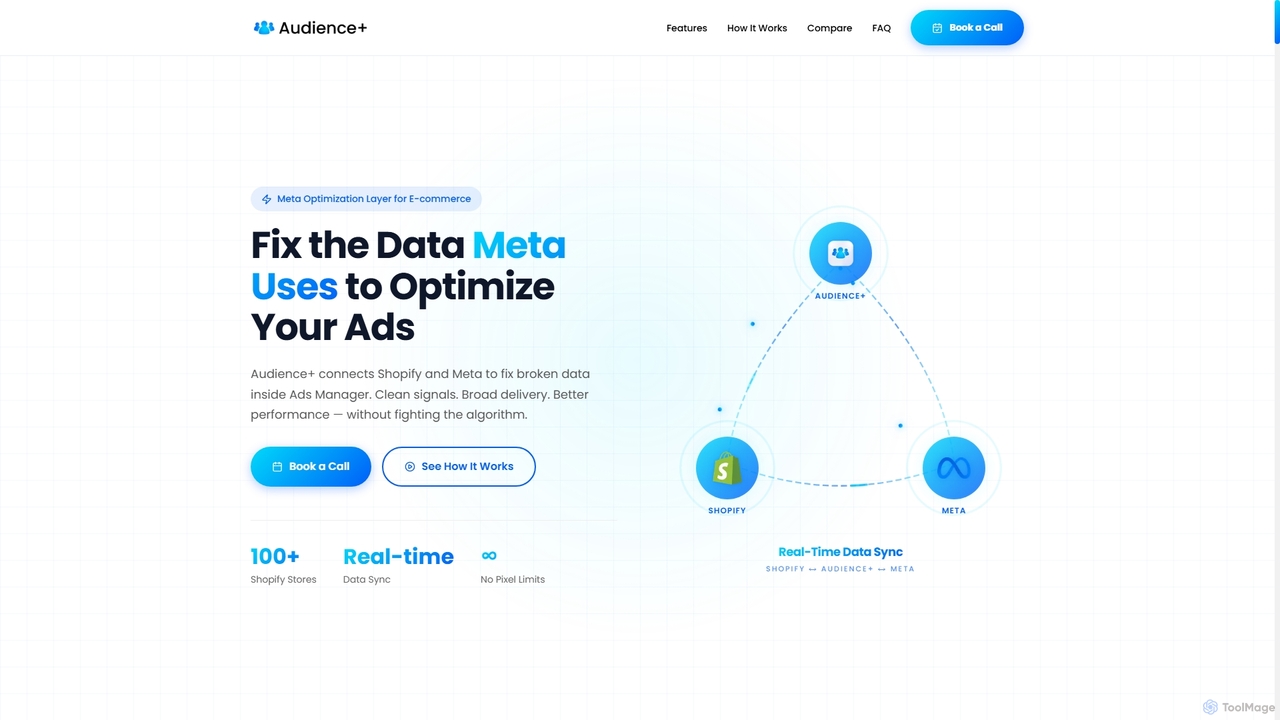
AudiencePlus is an AI-powered Meta optimization layer for e-commerce brands, specifically designed for Shopify stores. It connects Shopify and Meta to rectify broken data within Ads Manager, providing clean, structured, and algorithm-friendly signals. This enhances broad campaign performance by overcoming limitations like the 180-day pixel window and incomplete iOS tracking data, ultimately improving ad optimization and ROAS.

Performance Marketing
Visits 5.3KFavorites 59Likes 59
Drope
Paid

Drope

Drope is a performance-based influencer marketing platform designed for the gaming industry. It connects game developers and publishers with a vast network of micro-streamers and their communities, enabling them to launch scalable promotional campaigns and pay only for tangible results like stream hours or game installs.

Performance Marketing
Visits 14.7KFavorites 116Likes 119

About Performance Marketing

Performance Marketing AI tools are a class of sophisticated solutions designed to optimize advertising campaigns where payment is contingent on specific, measurable actions like clicks, leads, or sales. These tools leverage advanced artificial intelligence and machine learning algorithms to analyze vast datasets, predict user behavior, and automate complex bidding strategies across various digital channels. They empower marketers to achieve precise business goals, such as maximizing return on ad spend (ROAS), reducing customer acquisition costs (CAC), and driving measurable growth with unparalleled efficiency. By continuously learning from real-time campaign data, these AI systems adapt strategies dynamically to improve overall performance and ensure optimal budget allocation within the broader context of digital advertising.

Core Features

  • Automated Bidding & Budget Optimization: AI algorithms dynamically adjust bids and allocate budgets across platforms like Google Ads, Meta Ads, and programmatic channels to maximize conversions and achieve target ROAS.
  • Audience Segmentation & Predictive Targeting: AI identifies high-value audience segments based on historical data and predicts their likelihood to convert, enabling hyper-targeted ad delivery and personalized messaging.
  • Creative Optimization & Personalization: Tools analyze the performance of various ad creatives (images, videos, copy) and generate optimized or personalized variations to resonate more effectively with different audience segments.
  • Fraud Detection & Prevention: AI systems monitor ad traffic for suspicious patterns, identifying and mitigating fraudulent clicks, impressions, or conversions to protect ad spend and ensure data integrity.
  • Real-time Analytics & Performance Insights: Provides instant, granular insights into campaign performance, identifying trends, bottlenecks, and opportunities for optimization across all key performance indicators (KPIs).

Applicable Scenarios

Performance Marketing AI tools are indispensable for digital marketing agencies managing multiple client campaigns, e-commerce businesses aiming to scale online sales efficiently, and app developers focused on driving user acquisition and in-app purchases. They are crucial for optimizing paid search, social media advertising, display advertising, and affiliate marketing efforts, ensuring every marketing dollar contributes directly to measurable business outcomes.

Key Selection Criteria

When selecting Performance Marketing AI tools, consider their compatibility with your primary advertising platforms (e.g., Google, Meta, TikTok), the depth of their optimization capabilities (e.g., bid management, audience targeting, creative testing), and their integration potential with your existing CRM or analytics platforms. Evaluate the transparency of their AI models, the granularity of their reporting, and the level of human oversight or customization allowed to align with your specific campaign strategies and compliance needs.

Performance Marketing use cases

1

Optimizing E-commerce Ad Spend for ROAS

E-commerce managers use AI performance marketing tools to automatically adjust bids and allocate budgets across Google Shopping and social media ads. The AI analyzes product performance, customer lifetime value, and conversion data to maximize return on ad spend (ROAS), ensuring that high-profit products receive optimal visibility while minimizing wasted expenditure on underperforming items. This leads to increased sales and improved profitability.

2

Automating Lead Generation for B2B SaaS

B2B SaaS marketing teams leverage AI tools to identify and target high-intent prospects on LinkedIn and other professional networks. The AI optimizes ad delivery based on engagement metrics and lead quality, automatically pausing underperforming campaigns and scaling successful ones. This significantly reduces customer acquisition cost (CAC) and increases the volume of qualified leads for the sales team, streamlining the entire sales funnel.

3

Scaling User Acquisition for Mobile Apps

Mobile app developers utilize AI performance marketing platforms to drive cost-effective user acquisition campaigns across various ad networks. The AI predicts which users are most likely to install and engage with the app, optimizing bids for specific in-app actions (e.g., subscription, purchase). This ensures a higher quality user base and a lower cost per install (CPI), accelerating app growth and monetization.

4

Personalizing Ad Creatives for Diverse Audiences

Digital marketing agencies employ AI tools to generate and test multiple variations of ad creatives (images, headlines, copy) for different audience segments. The AI identifies which creative elements resonate best with specific demographics or interests, automatically serving the most effective versions. This enhances ad relevance, boosts click-through rates (CTR), and improves overall campaign performance without manual A/B testing.

5

Detecting and Preventing Ad Fraud

Advertisers use AI-powered fraud detection systems within their performance marketing stack to monitor ad traffic in real-time. The AI identifies suspicious click patterns, bot activity, and other fraudulent behaviors that inflate costs and skew data. By automatically blocking fraudulent sources, these tools protect ad budgets, ensure accurate campaign reporting, and maintain the integrity of performance metrics.

6

Dynamic Pricing and Promotion for Travel Industry

Travel companies use AI performance marketing to dynamically adjust ad bids and promotional offers based on real-time demand, competitor pricing, and inventory levels. The AI analyzes market fluctuations and user search intent to present highly relevant deals to potential customers at the optimal moment. This maximizes bookings during peak seasons and fills capacity during off-peak times, optimizing revenue.

Performance Marketing FAQ

What are Performance Marketing AI tools?

Performance Marketing AI tools are software solutions that use artificial intelligence and machine learning to automate and optimize digital advertising campaigns where advertisers pay only for measurable results, such as clicks, leads, or sales. They analyze vast amounts of data to predict outcomes, manage bids, target audiences, and personalize creatives, aiming to maximize return on investment (ROI) and efficiency.

How do Performance Marketing AI tools differ from traditional advertising platforms?

Traditional advertising platforms provide the infrastructure for running ads, often requiring significant manual input for optimization. Performance Marketing AI tools, however, layer on top of or integrate with these platforms, using AI to automate and enhance decision-making. They offer real-time, data-driven optimization of bids, budgets, and targeting, going beyond manual adjustments to continuously learn and adapt for superior results and efficiency.

What are the key benefits of using AI in Performance Marketing?

The key benefits include significantly improved return on ad spend (ROAS) through intelligent bidding and budget allocation, reduced customer acquisition costs (CAC) by identifying and targeting high-value audiences, and increased operational efficiency through automation of repetitive tasks. AI also enables hyper-personalization of ad creatives and robust fraud detection, leading to more effective campaigns and protected ad budgets.

How do Performance Marketing AI tools optimize ad budgets?

Performance Marketing AI tools optimize ad budgets by continuously analyzing campaign data, including conversion rates, cost per acquisition, and audience behavior. They use predictive analytics to forecast the likelihood of a conversion and dynamically adjust bids in real-time across different ad placements and audience segments. This ensures that budget is allocated to the most effective channels and keywords, maximizing conversions within the set budget constraints.

What should I consider when integrating Performance Marketing AI tools with my existing tech stack?

When integrating Performance Marketing AI tools, consider their compatibility with your current advertising platforms (e.g., Google Ads, Meta Ads), CRM, and analytics systems. Ensure they offer robust APIs or native integrations for seamless data flow. Evaluate the ease of setup, the level of technical expertise required, and the support provided for integration. A smooth integration is crucial for leveraging the AI's full potential and maintaining data consistency.