
Advertising Best in category 1 results Audience Targeting AI Tool

Popular AI tools in the Audience Targeting field of Advertising include Vector, etc., helping you quickly improve efficiency.

Vector

Vector

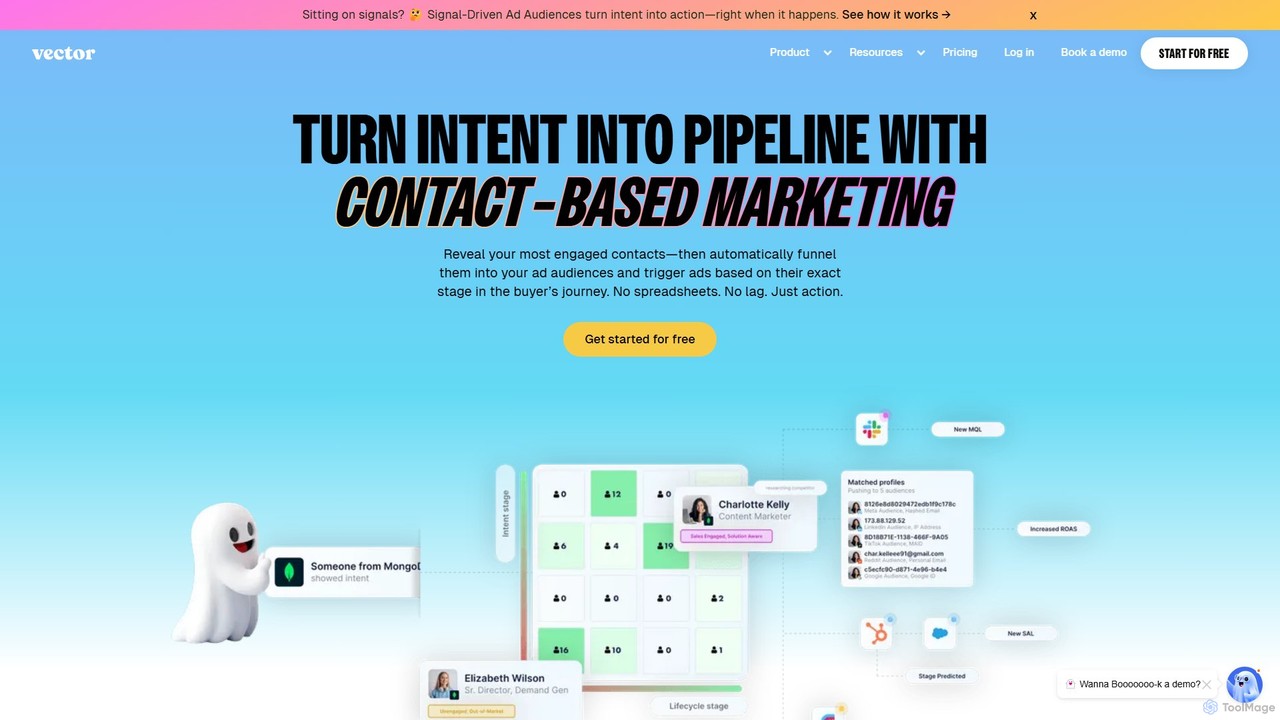
Vector is a contact-based marketing platform that helps B2B teams identify and engage high-intent buyers. It moves beyond …

56.3K

About Audience Targeting

Audience Targeting tools are a class of AI-powered software used within advertising to identify and segment the most relevant customer groups. These tools analyze vast datasets, including demographics, behaviors, and psychographics, to build precise audience profiles. By leveraging machine learning, they enable marketers to move beyond broad generalizations and connect with high-intent individuals, significantly improving campaign efficiency and return on investment. This precision ensures that advertising messages reach those most likely to convert.

Core Features

  • Predictive Modeling: Analyzes historical data to forecast which user segments are most likely to convert or engage.
  • Lookalike Audience Generation: Identifies and targets new users who share key characteristics with your best existing customers.
  • Dynamic Segmentation: Automatically groups users into segments based on their real-time actions, interests, and intent signals.
  • Cross-Channel Identity Resolution: Creates a unified customer view by identifying the same user across multiple devices and platforms.
  • Psychographic Analysis: Interprets data from social media and other sources to understand audience values, interests, and lifestyles.

Use Cases

These tools are essential for digital marketers, e-commerce managers, and campaign strategists in any industry. For instance, an online retailer can use them to target users who have shown interest in a specific product category. A B2B SaaS company can identify decision-makers within target industries who are actively researching similar solutions.

How to Choose

When selecting an Audience Targeting tool, consider its data integration capabilities with your existing CRM and ad platforms. Evaluate the granularity of its segmentation features and its ability to create custom audiences. Assess its compliance with privacy regulations like GDPR and CCPA. Finally, consider the platform's ease of use and whether it provides actionable insights or simply raw data.

Audience TargetingUse Cases

1

Launch Campaign for a Niche E-commerce Product

An e-commerce manager for a sustainable cosmetics brand needs to launch a new vegan product line. Instead of broad advertising, they use an AI audience targeting tool to build a hyper-specific audience. The tool analyzes data to identify users who follow eco-conscious influencers, have previously purchased from ethical brands, and show interest in keywords like 'cruelty-free' and 'organic skincare'. This creates a high-intent segment, allowing the manager to run highly relevant ads on social media and search engines, resulting in a higher conversion rate and lower customer acquisition cost compared to traditional demographic targeting.

2

Identify High-Value Leads for B2B SaaS

A marketing team at a B2B SaaS company selling project management software wants to improve lead quality. They use an audience targeting tool that integrates with professional networks and firmographic data providers. The tool helps them build a target audience of individuals with titles like 'Head of Operations' or 'Project Manager' at companies with 50-500 employees in the tech industry. It further refines this list by identifying those who have recently engaged with content about productivity or visited competitor websites. This allows the sales team to focus their outreach on highly qualified leads, increasing the efficiency of their sales pipeline.

3

Optimize Ad Spend by Creating Lookalike Audiences

A mobile game developer has a list of their most profitable players—those who make frequent in-app purchases. To acquire more users like them, they upload this customer list to an AI audience targeting platform. The platform analyzes the shared characteristics of these high-value users (demographics, interests, other apps used) and generates a 'lookalike audience'. This new audience consists of people who are not yet customers but share a strong statistical similarity to the best ones. The developer then runs user acquisition campaigns targeting this lookalike audience, resulting in a more efficient ad spend and a higher likelihood of attracting profitable new players.

4

Personalize Content for Media Subscribers

A digital news publisher wants to increase engagement and reduce churn among its subscribers. They use an audience targeting tool to dynamically segment their reader base in real-time. The tool tracks which topics each user reads most frequently (e.g., technology, finance, politics). Based on this data, it creates segments like 'Tech Enthusiasts' or 'Financial News Junkies'. The publisher then uses these segments to personalize the homepage content, send targeted email newsletters with relevant articles, and promote premium content related to each user's specific interests, leading to higher reader satisfaction and retention.

5

Target Local Customers for a Service Business

The owner of a chain of high-end yoga studios wants to attract new members. They use an AI targeting tool to combine geographic and psychographic data. The tool identifies individuals who live or work within a 3-mile radius of each studio location. It then filters this group to only include people who have shown interest in 'wellness', 'organic food', 'meditation', or follow popular fitness influencers online. This creates a highly relevant local audience for their digital ad campaigns, ensuring that marketing efforts are focused on nearby residents with a pre-existing interest in a healthy lifestyle, maximizing the effectiveness of their local marketing budget.

6

Reduce Ad Waste by Excluding Irrelevant Segments

A large online retailer notices that a significant portion of their ad budget is spent on users who are unlikely to convert, such as recent purchasers or customers with a high return rate. Using an AI audience tool, their marketing analyst creates 'exclusion audiences'. The tool automatically identifies users who have made a purchase in the last 30 days and those who have returned more than 50% of their orders. These segments are then excluded from top-of-funnel advertising campaigns. This simple action prevents ad spend on low-potential audiences, reallocating the budget towards acquiring new, high-quality customers and improving the overall return on ad spend (ROAS).

Audience TargetingFrequently Asked Questions