
ToolMage
Sign in

Best 1 Ad Platform for Advertising

Popular Ad Platform in Advertising include PodRoll, helping you work more efficiently.

PodRoll
Paid

PodRoll

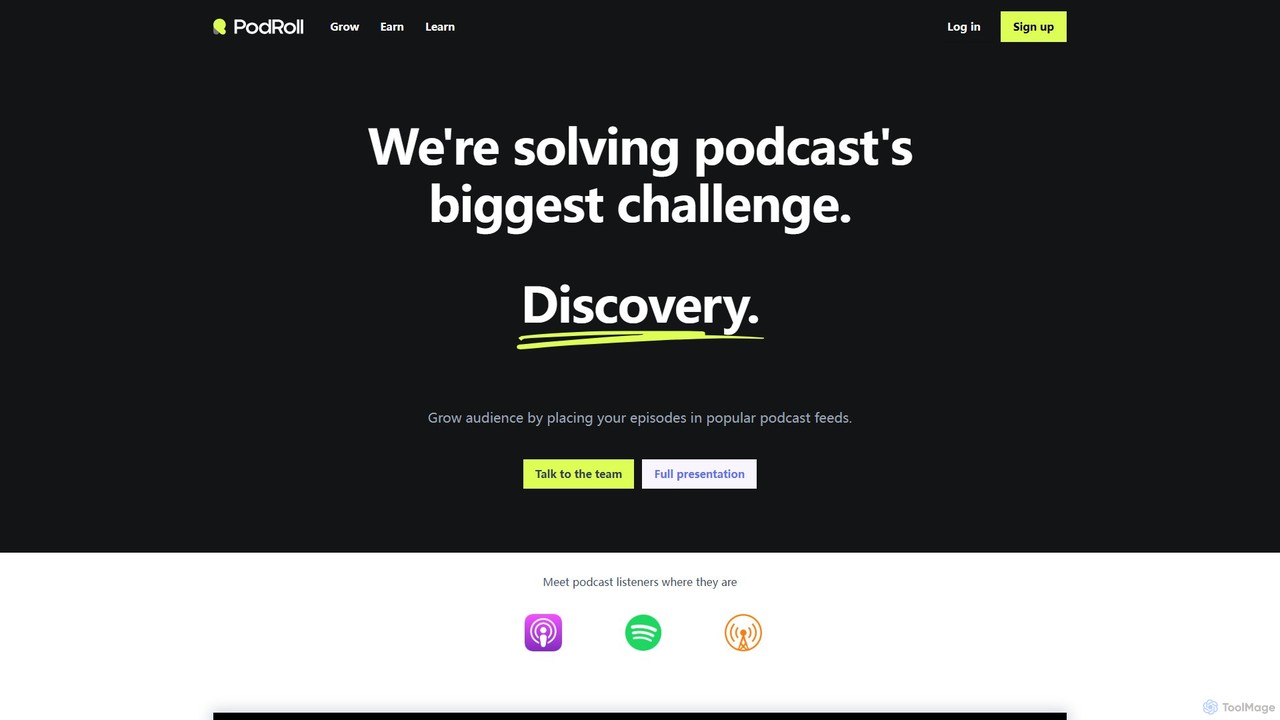
PodRoll is an AI-powered marketplace for podcasters to grow their audience and monetize their content. It facilitates the buying and selling of cross-podcast recommendations, connecting shows with relevant listeners in a non-intrusive way.

Ad Platform
Visits 5.3KFavorites 151Likes 146

About Ad Platform

Ad Platforms are AI-powered tools designed to automate and optimize digital advertising campaigns across various channels. These platforms leverage machine learning algorithms to analyze vast datasets, predict campaign performance, and make real-time adjustments. Their primary value lies in enhancing ad efficiency, improving targeting accuracy, and maximizing return on investment for advertisers. They offer a sophisticated approach to managing complex ad ecosystems.

Core Features

  • AI-driven Audience Targeting: Automatically identifies and segments high-value audiences based on behavioral data and predictive analytics.
  • Automated Bid Management: Optimizes bidding strategies in real-time across multiple ad networks to achieve campaign goals within budget.
  • Creative Optimization & Generation: Analyzes ad creative performance and can suggest improvements or even generate new variations using generative AI.
  • Performance Forecasting & Analytics: Provides predictive insights into campaign outcomes and detailed reports on key metrics for continuous improvement.
  • Cross-Channel Campaign Management: Centralizes the management and optimization of ads across platforms like Google, Facebook, Instagram, and more.

Use Cases

Businesses of all sizes utilize AI Ad Platforms to streamline their marketing efforts and achieve superior results. They are particularly valuable for managing large-scale campaigns, optimizing ad spend, and reaching niche audiences with personalized messages. These platforms empower marketers to focus on strategy rather than manual adjustments.

How to Choose

When selecting an AI Ad Platform, consider its integration capabilities with your existing ad networks and CRM, the depth of its AI-driven optimization features (e.g., targeting, bidding, creative), its analytics and reporting functionalities, and the level of customer support. Scalability and pricing models that align with your budget and campaign volume are also crucial.

Ad Platform use cases

1

Automating Real-Time Bid Optimization

Digital marketing managers for e-commerce brands use AI Ad Platforms to automatically adjust bids for thousands of keywords and ad placements across Google Ads and Microsoft Advertising. The AI continuously analyzes competitor bids, user behavior, and conversion rates to ensure ads are shown at the optimal price, maximizing conversions while staying within budget. This saves hours of manual work and significantly improves campaign ROI.

2

Personalizing Ad Creatives at Scale

Large enterprises with diverse product lines leverage AI Ad Platforms to generate and optimize personalized ad creatives for different audience segments. By feeding product data and audience profiles into the platform, the AI can automatically create numerous ad variations (images, headlines, descriptions) that resonate with specific user groups, leading to higher engagement rates and better conversion performance across social media and display networks.

3

Cross-Channel Campaign Budget Allocation

Marketing agencies managing multiple client campaigns utilize AI Ad Platforms to intelligently allocate budgets across various channels like Facebook, Instagram, LinkedIn, and Google. The AI monitors real-time performance metrics for each channel and dynamically shifts budget towards the best-performing campaigns or platforms, ensuring maximum efficiency and preventing overspending on underperforming ads.

4

Predictive Performance Forecasting for New Campaigns

Product launch teams use AI Ad Platforms to forecast the potential performance of new advertising campaigns before they go live. By inputting historical data, target audience demographics, and creative assets, the AI can predict likely reach, impressions, clicks, and conversions, allowing marketers to refine their strategy and budget allocation for optimal impact from day one.

5

Identifying High-Value Audience Segments

SaaS companies employ AI Ad Platforms to discover previously untapped, high-value audience segments for their subscription services. The platform analyzes vast amounts of user data, including website interactions, demographic information, and purchase history, to identify patterns and create precise audience profiles that traditional manual targeting might miss, leading to more effective and cost-efficient customer acquisition.

6

Optimizing Ad Copy for Improved Click-Through Rates

Content marketers and advertisers use AI Ad Platforms to generate and test various ad copy variations for their campaigns. The AI analyzes existing successful ad copy, industry trends, and target audience preferences to suggest or create compelling headlines and descriptions. Through A/B testing and machine learning, the platform identifies the most effective copy that drives higher click-through rates and engagement.

Ad Platform FAQ

What are AI Ad Platforms?

AI Ad Platforms are advanced software solutions that use artificial intelligence and machine learning to automate, optimize, and manage digital advertising campaigns. They go beyond basic ad management by providing intelligent insights for audience targeting, bid optimization, creative analysis, and performance forecasting, aiming to maximize advertising ROI and efficiency.

How do AI Ad Platforms differ from traditional ad management tools?

Traditional ad management tools primarily offer manual control and reporting features. In contrast, AI Ad Platforms leverage machine learning to automate complex tasks like real-time bidding, dynamic audience segmentation, and predictive analytics. This allows them to make data-driven decisions autonomously, adapt to market changes faster, and achieve superior optimization results that manual methods cannot match.

What are the core benefits of using an AI Ad Platform?

The core benefits include significantly improved campaign performance through optimized targeting and bidding, increased operational efficiency by automating repetitive tasks, better budget allocation across channels, and deeper insights into audience behavior and ad effectiveness. Ultimately, they help advertisers achieve higher return on ad spend (ROAS) and save valuable time.

Who should consider using an AI Ad Platform?

Businesses of all sizes, from small e-commerce shops to large enterprises and marketing agencies, can benefit. They are particularly valuable for advertisers managing complex campaigns, those with large ad budgets seeking to maximize ROI, or anyone looking to scale their advertising efforts efficiently without increasing manual workload.

How do I choose the right AI Ad Platform for my business?

To choose the right platform, evaluate its compatibility with your primary advertising channels (e.g., Google, Facebook), the sophistication of its AI features (e.g., predictive analytics, creative generation), its reporting and integration capabilities, and its pricing model. Also, consider the level of support offered and how well it aligns with your team's technical expertise.