Data Best in category 11 results Data Enrichment AI Tool

Popular AI tools in the Data Enrichment field of Data include Clay、getcargo、LeadGenius、ResonateHQ、PredictLeads、Tabula、Ciro、ExactBuyer、Versium、naratix, etc., helping you quickly improve efficiency.

Clay

Clay

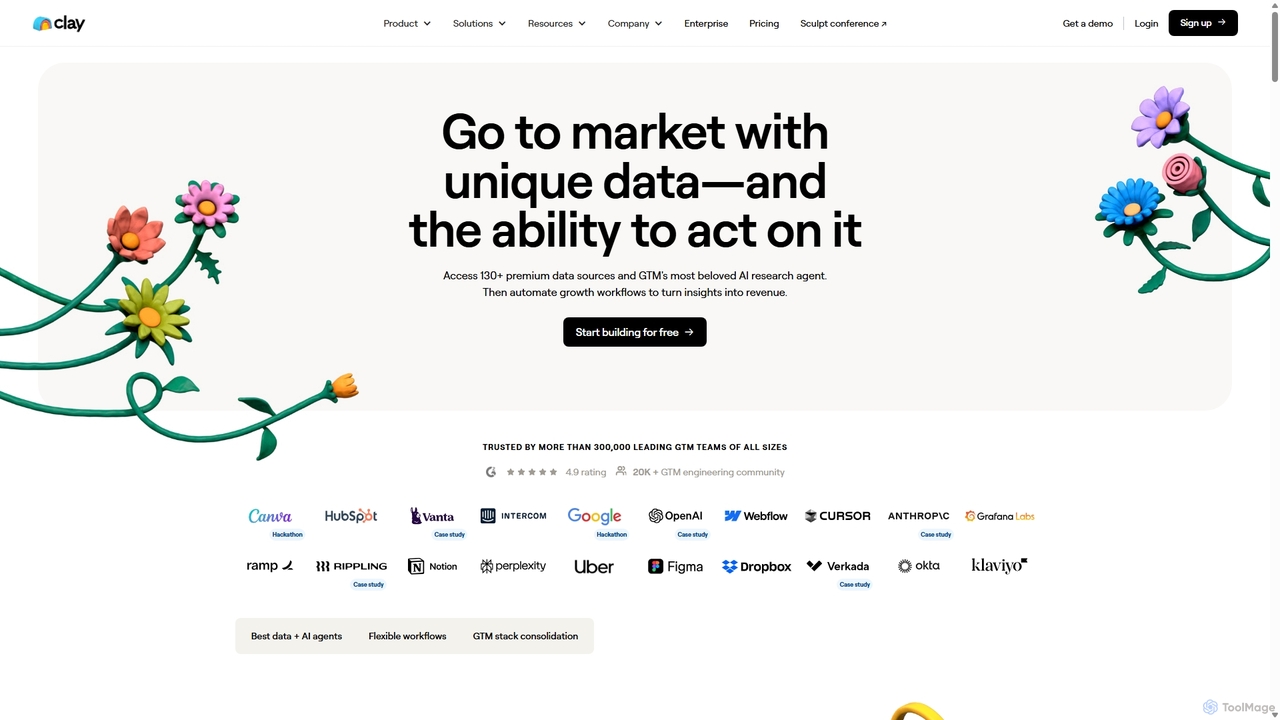
Clay is a powerful Go-To-Market (GTM) automation platform that combines over 130 data sources with an advanced AI …

1.5M
LeadGenius

LeadGenius

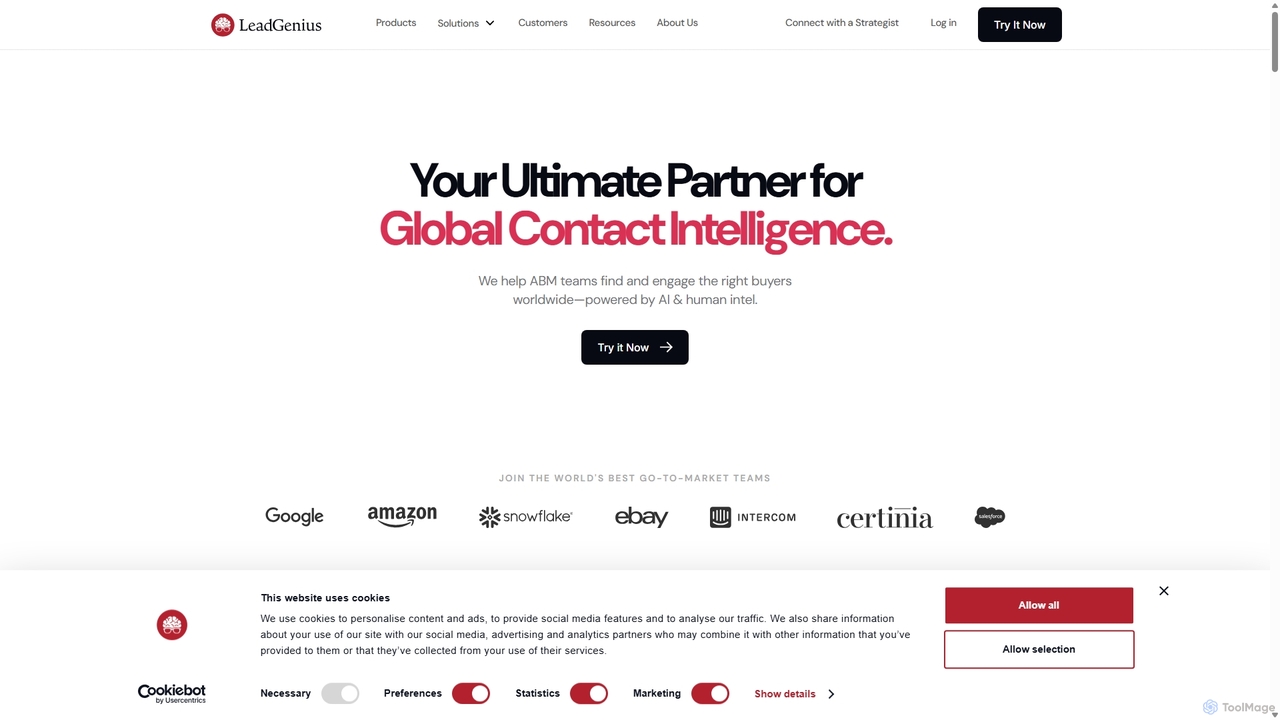
LeadGenius is a B2B data and growth automation platform combining AI with human intelligence to deliver highly accurate, …

27.3K
ResonateHQ

ResonateHQ

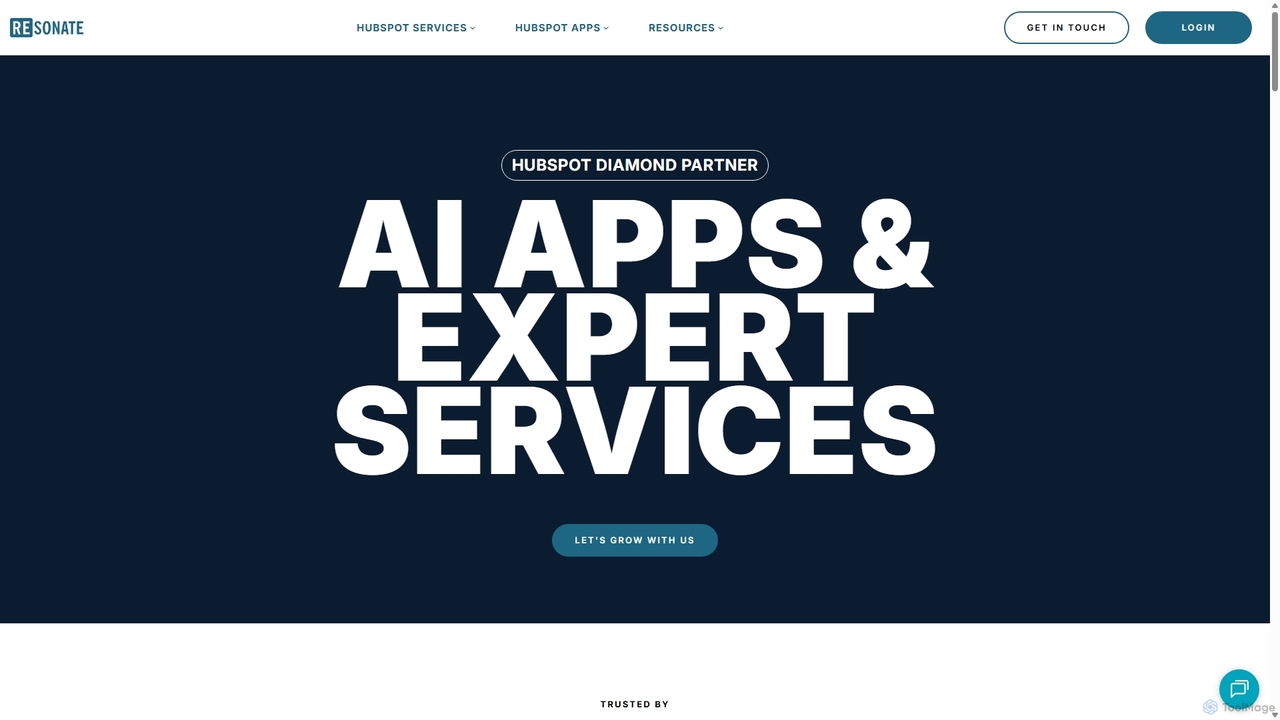
ResonateHQ is a HubSpot Diamond Partner that supercharges your CRM with AI-powered applications and expert services. Its suite …

16.1K
Ciro

Ciro

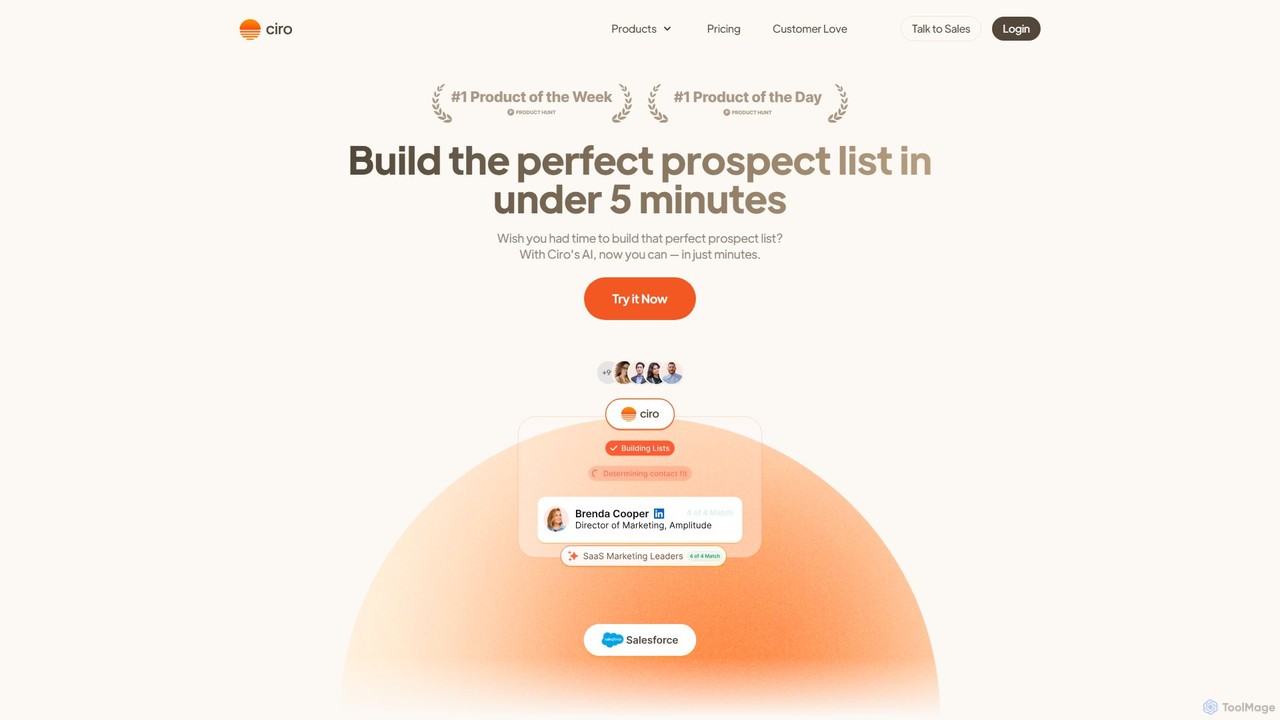
Ciro is an AI-powered sales prospecting platform designed to build perfect prospect lists. It automates lead discovery using …

12.1K
ExactBuyer

ExactBuyer

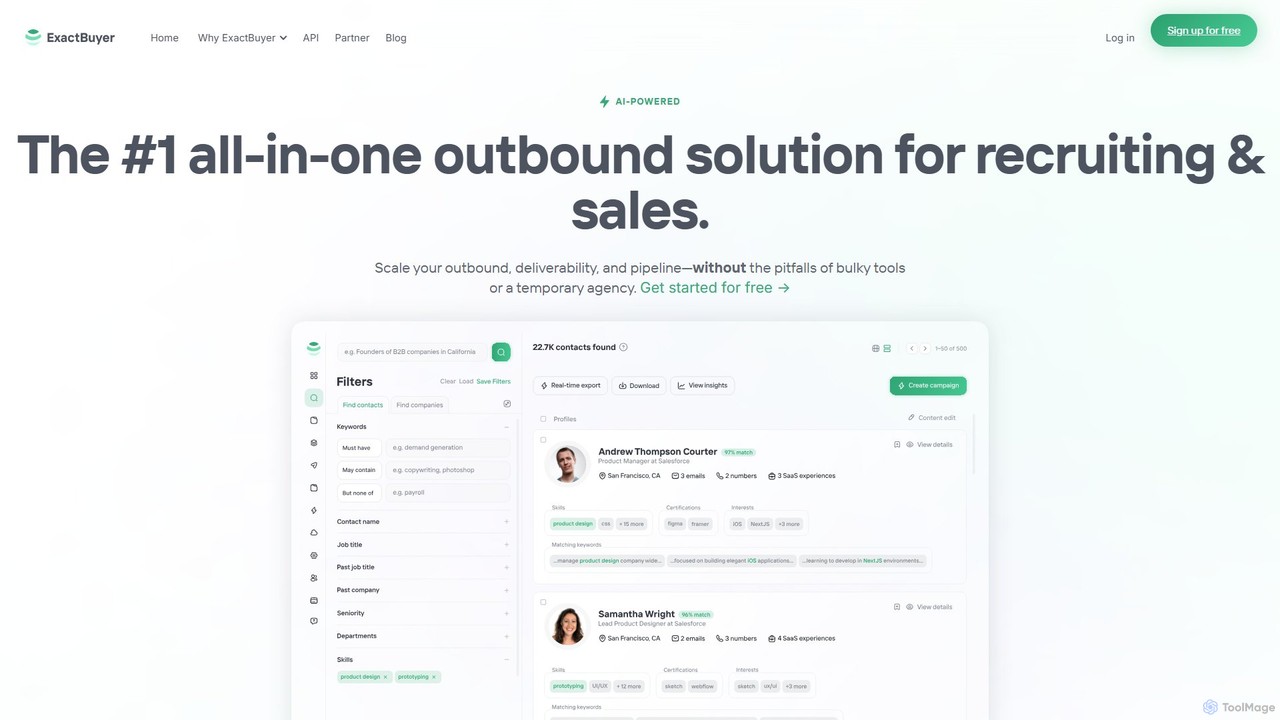
ExactBuyer is an AI-powered B2B acquisition platform for sales, marketing, and recruiting teams. It provides real-time, verified contact …

11.9K
ProfileAPI

ProfileAPI

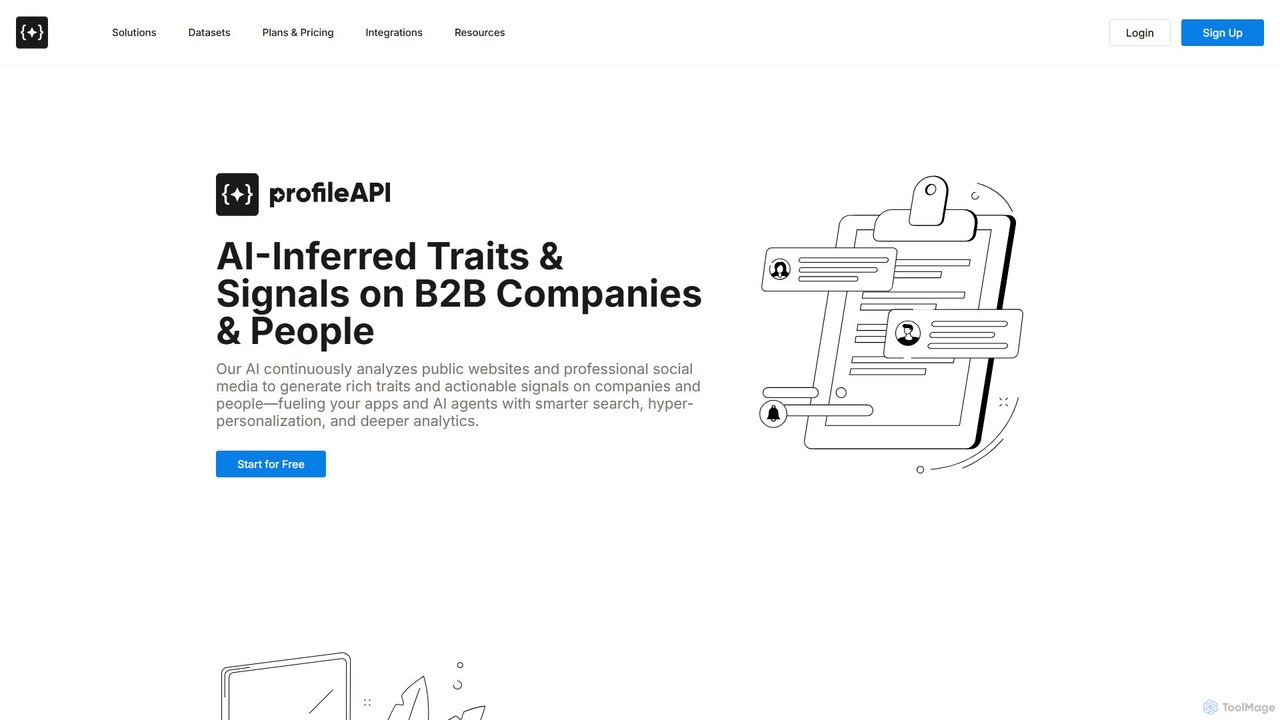
ProfileAPI is an AI-powered data enrichment service that provides actionable traits and signals on B2B companies and professionals. …

2.4K
naratix

naratix

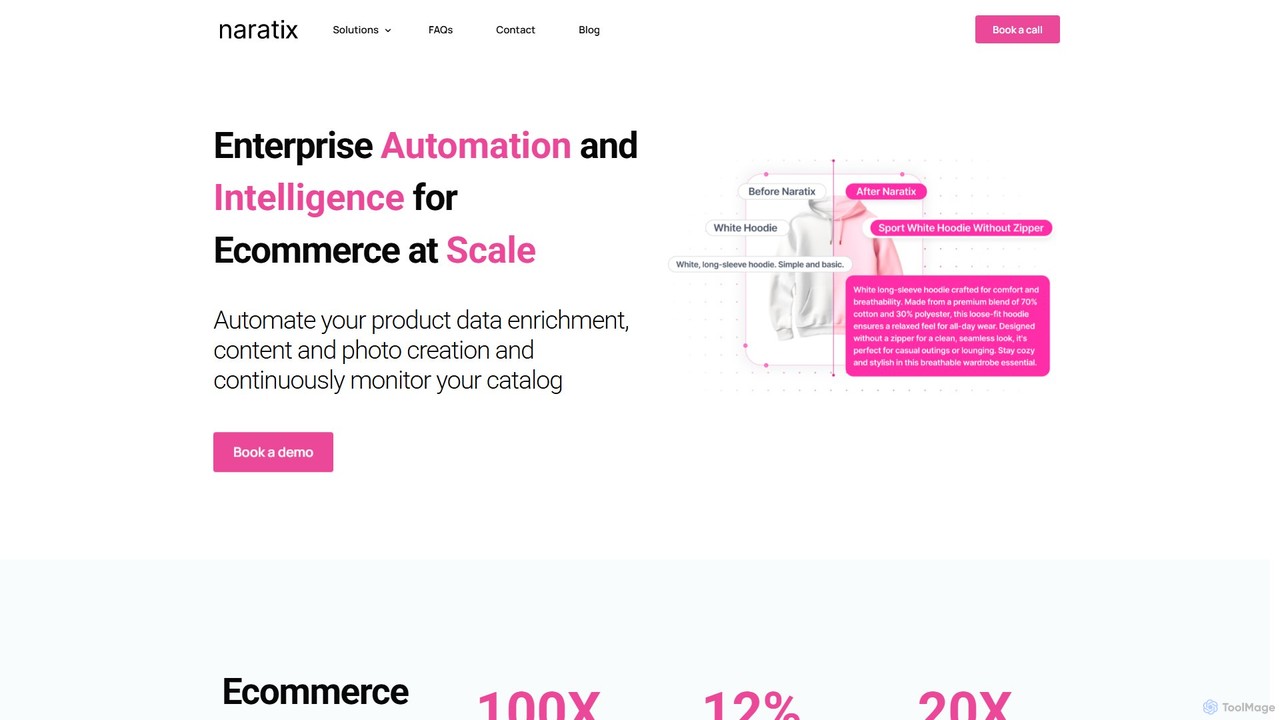
Naratix is an enterprise-grade AI platform for e-commerce automation and intelligence. It streamlines the entire product catalog workflow, …

6.7K
getcargo

getcargo

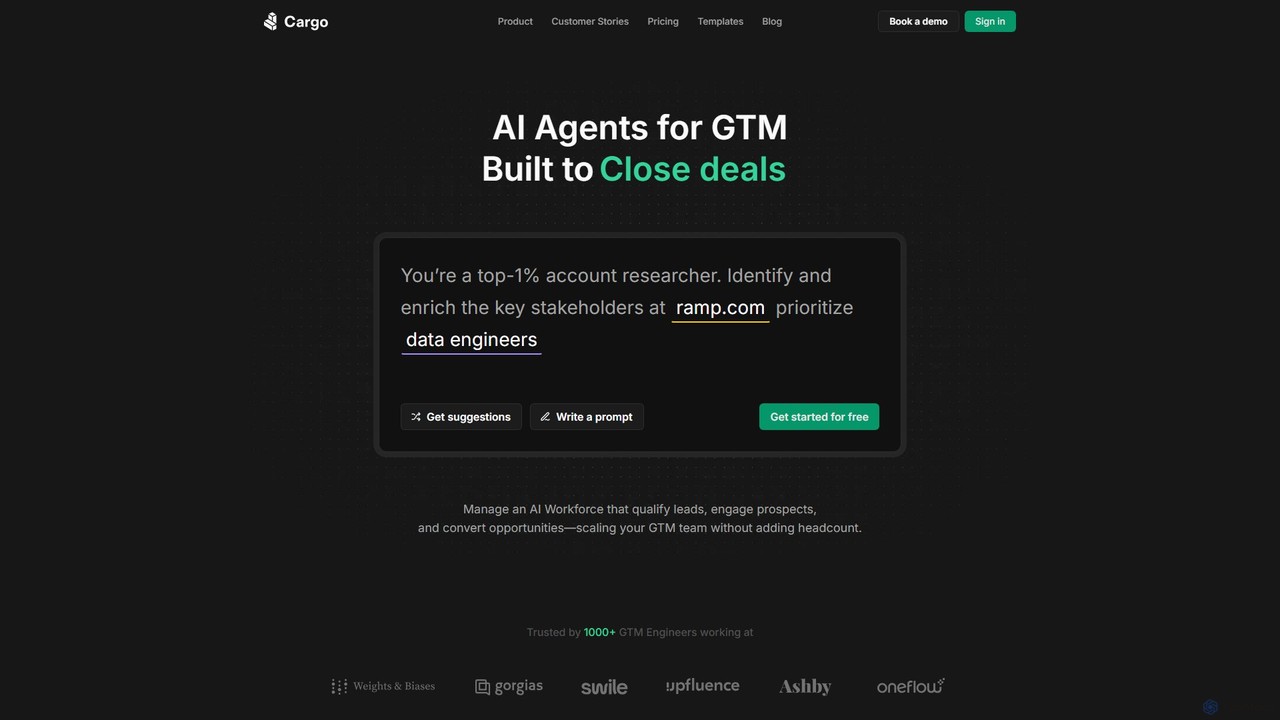
getcargo is an AI Revenue Orchestration Platform that enables Go-to-Market (GTM) teams to build and deploy custom AI …

38.9K
Versium

Versium

Versium is a data technology platform that helps B2B and B2C marketers identify, understand, and reach their ideal …

10.7K
PredictLeads

PredictLeads

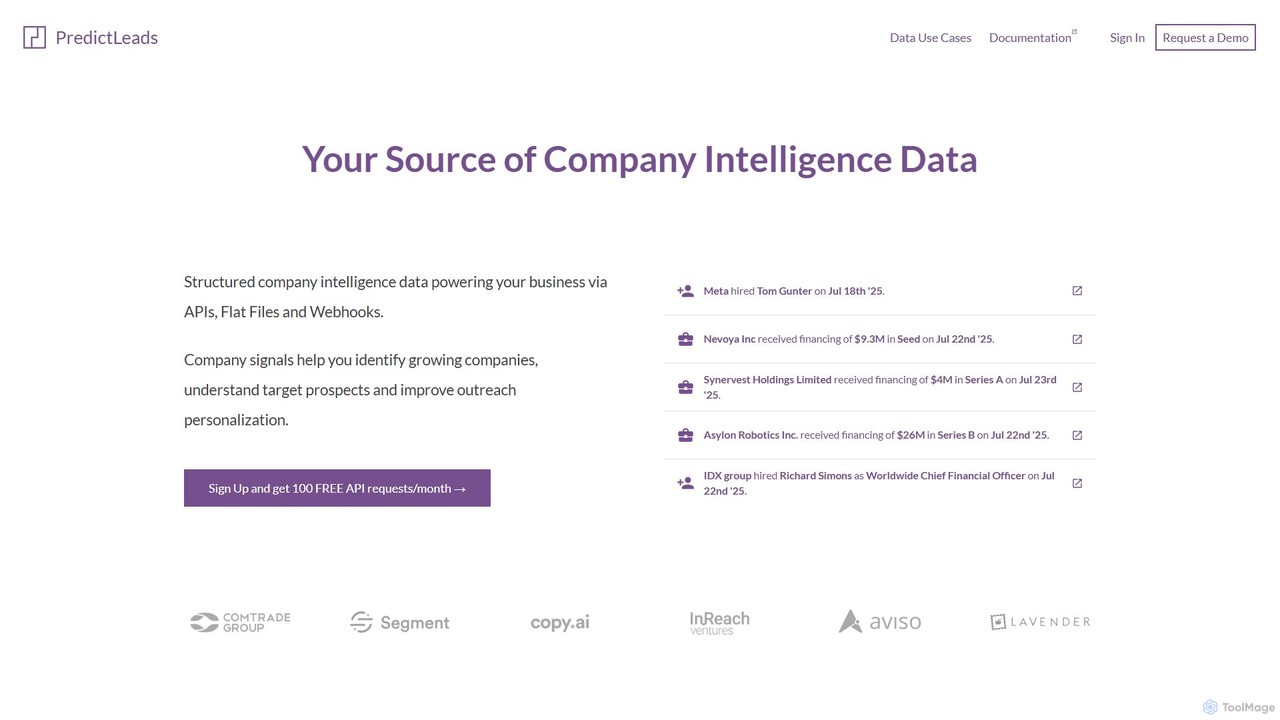
PredictLeads is a company intelligence data provider that delivers structured data on business events through APIs, Webhooks, and …

15.2K
Tabula

Tabula

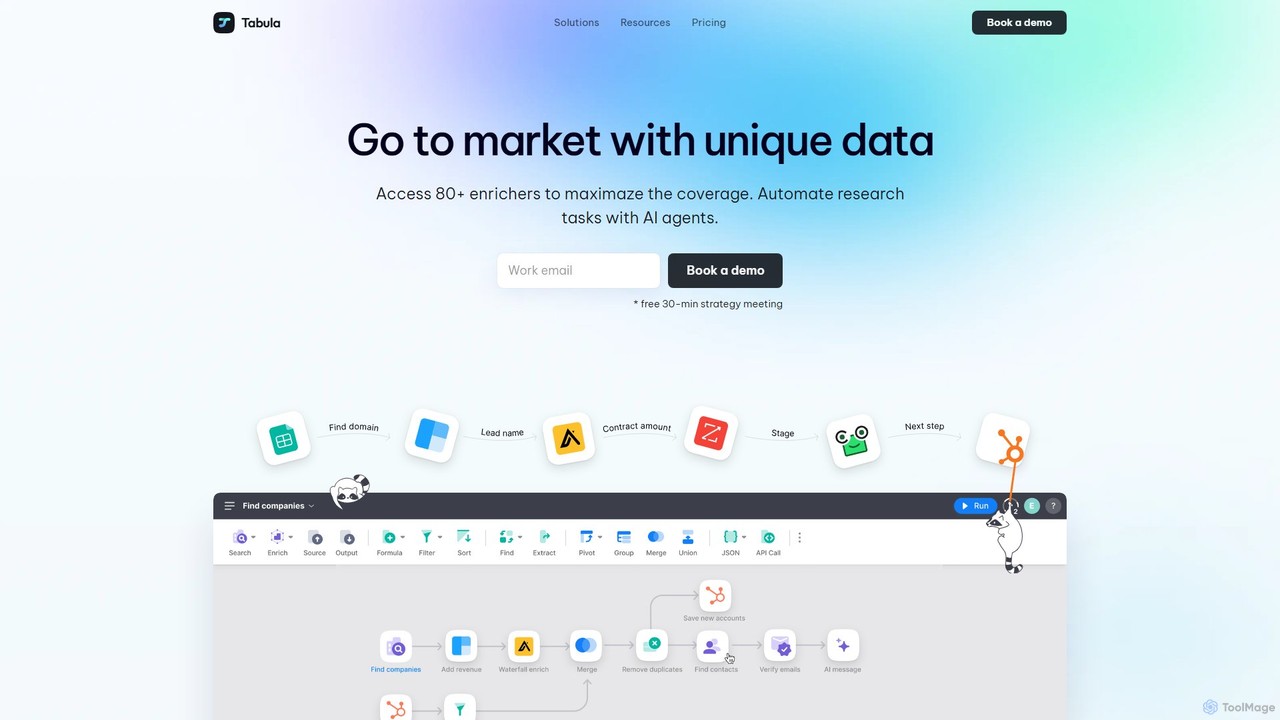
Tabula is a powerful Go-To-Market (GTM) automation platform for building targeted lead lists, enriching data from over 80 …

14.6K

About Data Enrichment

Data Enrichment tools are AI-powered solutions designed to enhance, refine, and augment existing datasets. They operate by appending missing information, correcting inaccuracies, and adding valuable context from vast external databases. This process transforms raw, incomplete data into a comprehensive and actionable asset, enabling businesses to gain deeper insights. By providing a more complete picture of customers, leads, or market trends, these tools directly support more precise decision-making and personalization strategies.

Core Features

  • Contact & Account Appending: Automatically adds missing data points like email addresses, phone numbers, job titles, and company firmographics to incomplete records.
  • Data Verification & Cleansing: Identifies and corrects errors, typos, and outdated information in real-time to maintain data hygiene.
  • Demographic & Behavioral Enrichment: Appends consumer data such as age, interests, location, and online behavior to create detailed customer profiles.
  • Lead Scoring & Prioritization: Enriches lead data with signals that help rank their potential value and readiness to purchase, focusing sales efforts.
  • Technographic Data Appending: Identifies the technology stack (e.g., CRM, marketing automation) used by a company for targeted B2B sales.

Use Cases

Data Enrichment tools are widely used by sales, marketing, and data science teams. In B2B sales, they are essential for qualifying leads and understanding target accounts. Marketing teams use them to segment audiences for personalized campaigns, while data analysts rely on them to create more robust models for prediction and analysis.

How to Choose

When selecting a Data Enrichment tool, consider the quality and coverage of its data sources. Evaluate its integration capabilities with your existing CRM or marketing automation platforms. Assess its compliance with data privacy regulations like GDPR and CCPA. Finally, compare pricing models, which may be based on subscription tiers, API call volume, or the number of records enriched.

Data EnrichmentUse Cases

1

Enhancing Sales Lead Profiles for Prioritization

A B2B sales development representative (SDR) receives a list of 500 new leads from a webinar, but only has their names and email addresses. Manually researching each lead would take days. By using a data enrichment tool, the SDR uploads the list and the tool automatically appends crucial firmographic data, including company size, industry, revenue, and the lead's specific job title. Within minutes, the SDR can filter the list to prioritize leads from target industries and companies of a certain size, focusing their outreach efforts on the most promising prospects and significantly increasing conversion rates.

2

Personalizing Marketing Automation Campaigns

A marketing manager for an e-commerce brand wants to move beyond generic email blasts. Their customer database contains purchase history but lacks demographic or interest data. They integrate a data enrichment API with their marketing automation platform. As new users sign up, their email is enriched in real-time with data like age, gender, location, and inferred interests. This allows the platform to automatically segment users into dynamic lists, triggering personalized email sequences with relevant product recommendations, which leads to higher open rates, click-through rates, and overall customer lifetime value.

3

Improving Customer Segmentation for Analytics

A data analyst at a retail company is tasked with understanding different customer cohorts. The internal data is limited to transaction records. To build richer segments, the analyst uses a data enrichment service to append lifestyle attributes, income levels, and household composition data to their customer database. With this enriched dataset, they can identify high-value segments like 'High-Income Urban Families' or 'Budget-Conscious Students'. These insights inform inventory management, store placement strategies, and targeted promotions, leading to more effective business decisions.

4

Fraud Detection and Risk Assessment

A fintech company needs to verify user identities and assess risk for new account applications. When a user signs up with an email and IP address, the system uses a data enrichment tool to instantly gather more information. It can check if the email is from a disposable domain, determine the user's geolocation from the IP address, and cross-reference the email with known data breach lists. This enriched data provides a real-time risk score, allowing the company to automatically flag suspicious applications for manual review, thereby preventing fraud and securing their platform.

5

Cleansing and Standardizing a CRM Database

A company's CRM system has accumulated thousands of contacts over several years, resulting in duplicate entries, outdated job titles, and inconsistent formatting (e.g., 'USA' vs. 'United States'). A CRM administrator uses a data enrichment tool that integrates directly with their system. The tool scans the entire database, merges duplicate contacts, corrects spelling errors in names and companies, standardizes address formats, and updates job titles for contacts who have changed roles. This data hygiene project results in a more reliable and accurate CRM, improving sales team efficiency and the accuracy of marketing reports.

6

Conducting B2B Market Research and Analysis

A market research analyst is tasked with identifying emerging competitors in the SaaS industry. They start with a list of known companies. Using a data enrichment tool, they append technographic data to see what software stacks these companies use, as well as firmographic data like employee growth rate and recent funding rounds. The tool can also identify similar companies based on these enriched profiles. This allows the analyst to quickly map out the competitive landscape, identify fast-growing newcomers, and present a comprehensive market analysis to stakeholders without weeks of manual data gathering.

Data EnrichmentFrequently Asked Questions