ToolMage
Sign in

Best 1 Developer Relations AI tools for Marketing

Popular Developer Relations AI tools in Marketing include Waldium, helping you work more efficiently.

Waldium
Freemium

Waldium

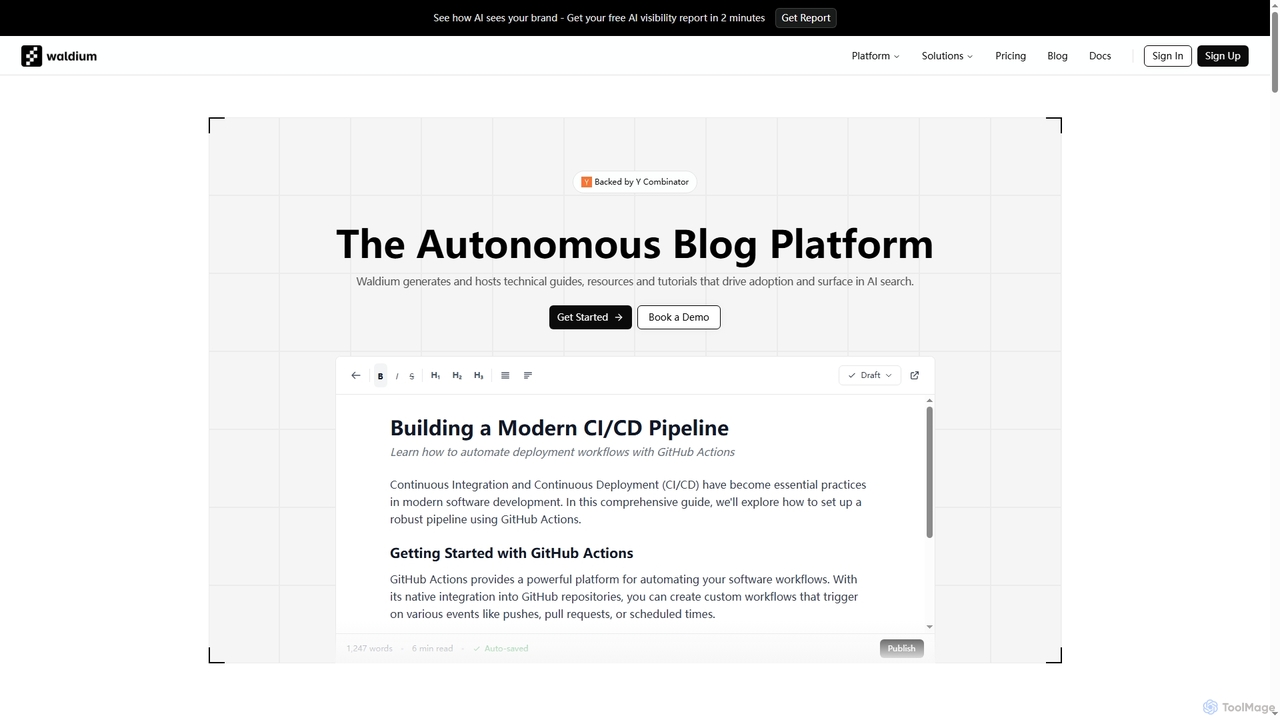
Waldium is an autonomous blog platform designed for developer tools, leveraging AI to generate and host technical guides, tutorials, and resources. It optimizes content for AI search engines like ChatGPT and Claude, ensuring developer products are discoverable and drive adoption.

Content Performance
Visits 12.5KFavorites 190Likes 184

About Developer Relations

Developer Relations (DevRel) tools are specialized platforms designed to foster and manage the relationship between a company and its developer community. These tools leverage automation and data analytics to streamline communication, provide resources, gather feedback, and support developers using a company's APIs, SDKs, or platforms. As a crucial component of modern marketing strategies, DevRel tools help companies build strong ecosystems, drive adoption, and ensure the long-term success of their developer-facing products by empowering and engaging developers effectively.

Core Features

  • Community Management: Facilitate forums, chat groups, and event registrations to connect developers.
  • Content & Resource Hubs: Centralize documentation, tutorials, code samples, and SDKs for easy access.
  • Feedback & Analytics: Collect developer feedback, track API usage, and measure community engagement metrics.
  • Event & Workshop Tools: Manage developer events, hackathons, and workshops from planning to execution.
  • Advocate Programs: Identify, nurture, and empower developer advocates to spread product awareness.

Applicable Scenarios

Companies with developer-centric products, such as API providers, cloud platforms, or software libraries, heavily rely on DevRel tools. They are used by DevRel managers, community managers, and product teams to onboard new developers, support existing ones, and gather insights for product improvement. For instance, a cloud service provider might use these tools to host virtual workshops, distribute updated SDKs, and monitor API adoption rates across its global developer base.

How to Choose

When selecting Developer Relations tools, consider the breadth of community management features, the ease of integrating with existing documentation and support systems, and the robustness of analytics for tracking developer engagement and product usage. Evaluate the platform's scalability to accommodate a growing developer community and its flexibility to support various communication channels, from forums to live events, ensuring it aligns with your specific DevRel strategy and budget.

Developer Relations use cases

1

Streamlining Developer Onboarding & Support

A new API provider uses DevRel tools to create an automated onboarding flow for developers. This includes personalized welcome emails, access to interactive tutorials, and a dedicated support forum. The tools track progress, identify common pain points, and provide analytics on successful integrations, significantly reducing manual support efforts and accelerating developer adoption.

2

Managing Global Developer Events & Hackathons

A software company organizes a series of virtual hackathons across different time zones. DevRel tools are used to manage event registration, distribute challenges and resources, facilitate team collaboration, and host live Q&A sessions. Post-event, the tools collect project submissions, gather feedback, and analyze participant engagement, ensuring smooth execution and valuable insights.

3

Building & Nurturing a Developer Advocate Program

A platform company identifies active community members and invites them to an exclusive developer advocate program. DevRel tools help manage advocate profiles, distribute early access to features, track their content contributions (blogs, talks), and reward their efforts. This fosters a loyal network of evangelists who promote the platform organically.

4

Gathering Product Feedback & Driving Iteration

A team developing a new SDK uses DevRel tools to create a dedicated feedback channel for beta testers. Developers can report bugs, suggest features, and vote on priorities. The tools integrate with the product roadmap, allowing the team to directly incorporate developer insights, demonstrate responsiveness, and build a product that truly meets user needs.

5

Analyzing API Usage & Developer Engagement

An analytics company provides APIs for data integration. DevRel tools monitor API call volumes, error rates, and feature adoption across its developer base. This data helps the DevRel team identify popular endpoints, detect potential issues, and tailor communication strategies to specific developer segments, optimizing API performance and developer satisfaction.

6

Centralizing Documentation & Learning Resources

A large tech company with multiple developer-facing products uses DevRel tools to create a unified developer portal. This portal centralizes all API documentation, SDKs, code samples, and learning paths. The tools track which resources are most accessed and provide version control, ensuring developers always have access to the most current and relevant information.

Developer Relations FAQ

What are Developer Relations (DevRel) tools?

Developer Relations (DevRel) tools are specialized software platforms designed to help companies build, engage, and support their developer communities. They provide functionalities for communication, content sharing, event management, and feedback collection, acting as a bridge between product teams and external developers. These tools are crucial for fostering a vibrant ecosystem around APIs, SDKs, and developer platforms.

How do Developer Relations tools benefit companies?

DevRel tools significantly benefit companies by accelerating product adoption, improving product quality through direct developer feedback, and building brand loyalty within the developer community. They streamline communication, automate routine tasks, and provide valuable analytics on developer engagement, ultimately leading to a stronger ecosystem, increased usage of developer products, and a competitive advantage in the market.

What are the key features to look for in DevRel tools?

Key features to look for in DevRel tools include robust community management capabilities (forums, chat), comprehensive content and documentation hosting, powerful analytics for tracking API usage and developer engagement, and integrated event management functionalities. Additionally, consider tools that offer feedback mechanisms, advocate program management, and seamless integration with your existing development and marketing stacks.

How do DevRel tools differ from traditional marketing tools?

While both aim to drive adoption, DevRel tools specifically target developers, focusing on technical enablement, community building, and support, rather than broad promotional messaging. Traditional marketing tools often focus on lead generation, brand awareness, and sales conversions for a general audience. DevRel tools prioritize technical content, peer-to-peer interaction, and direct product feedback, fostering a relationship built on trust and utility within the developer ecosystem.

Who typically uses Developer Relations tools?

Developer Relations tools are primarily used by DevRel teams, including DevRel managers, community managers, technical writers, and developer advocates. Product managers and engineering teams also leverage these tools to gather direct feedback and insights from the developer community, ensuring their products meet real-world needs. Essentially, anyone involved in fostering a healthy relationship with external developers benefits from these platforms.