Marketing Best in category 3 results Digital Strategy AI Tool

Popular AI tools in the Digital Strategy field of Marketing include Website AI Score、Aggentic AI、CollabNut, etc., helping you quickly improve efficiency.

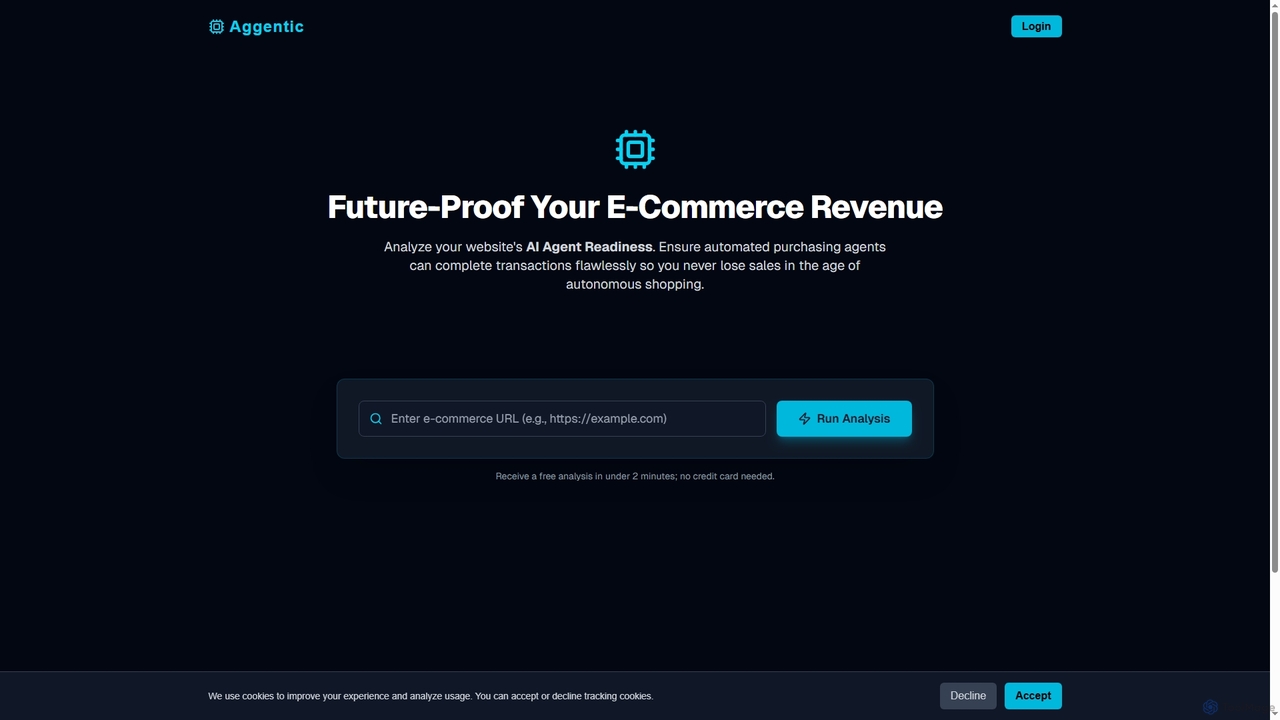
Aggentic AI

Aggentic AI

Aggentic AI helps e-commerce businesses future-proof their revenue by analyzing their website's readiness for AI agents and autonomous …

5.0K
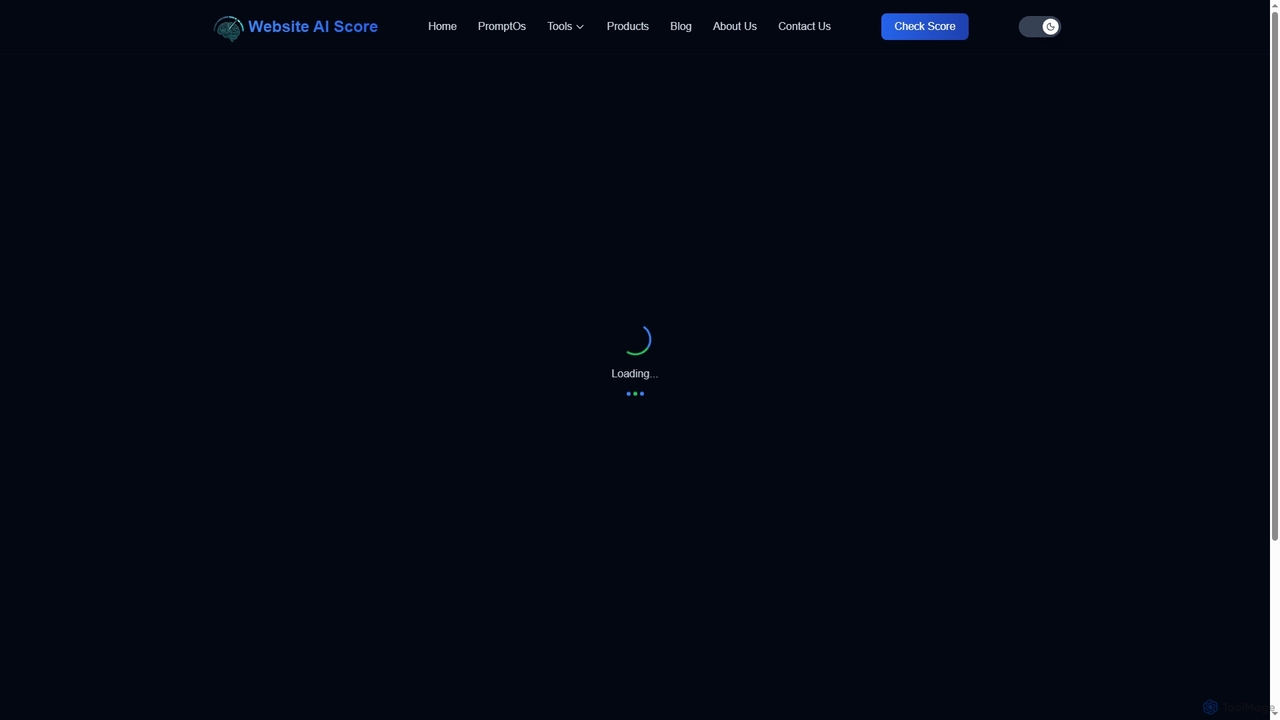
Website AI Score

Website AI Score

Website AI Score is an AI-powered analytics and optimization platform designed for modern marketers. It diagnoses your website's …

5.2K
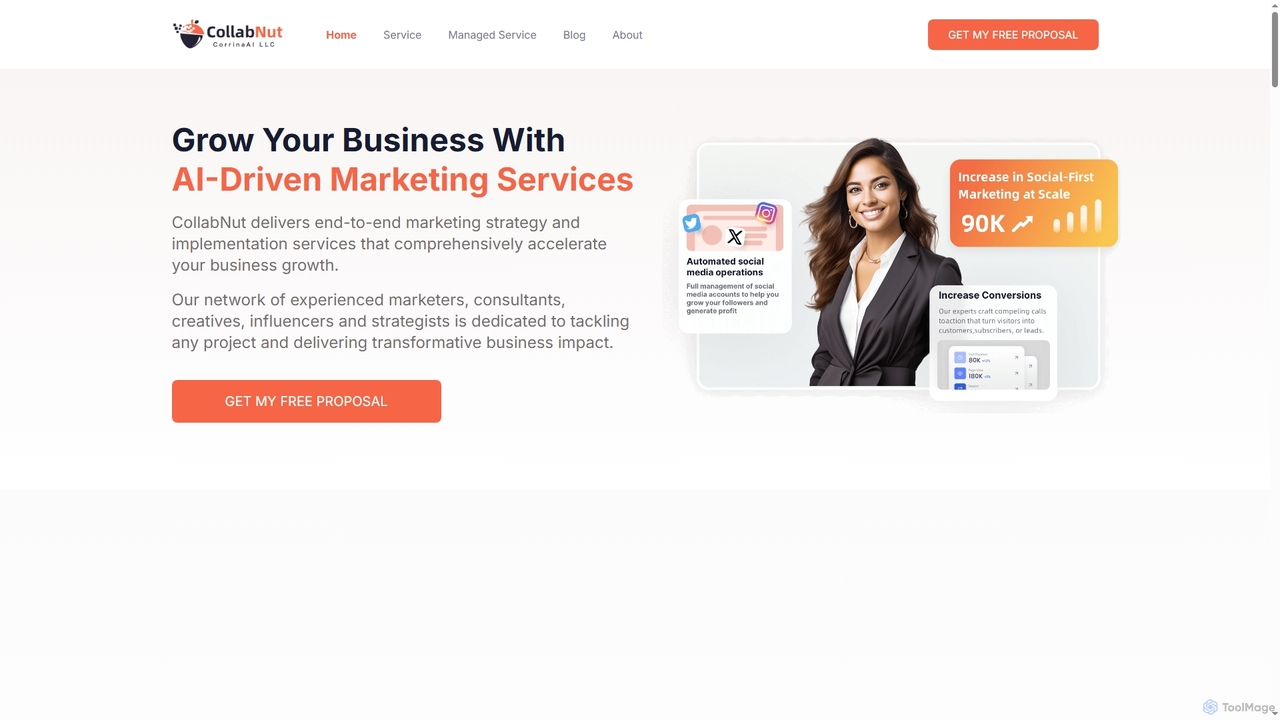
CollabNut

CollabNut

CollabNut is an AI-driven marketing agency and platform offering end-to-end services to accelerate business growth. Specializing in social-first …

3.4K

About Digital Strategy

AI Digital Strategy tools are a class of analytical platforms that use machine learning to formulate, simulate, and optimize marketing plans. These tools process vast datasets from market trends, competitor activities, and internal performance to provide data-driven strategic recommendations. They empower marketers to move beyond intuition-based decisions, enabling precise budget allocation, accurate forecasting, and the identification of high-impact growth opportunities. As a core component of modern marketing, they provide the high-level intelligence that guides tactical execution across all channels.

Core Features

  • Predictive Analytics: Forecasts market trends, campaign performance, and customer lifetime value based on historical data and external signals.
  • Competitor Intelligence: Automatically tracks and analyzes competitors' advertising spend, content strategies, and social media presence.
  • Multi-Channel Budget Optimization: Recommends the most effective allocation of marketing funds across various channels like PPC, social media, and content marketing to maximize ROI.
  • Audience Segmentation: Identifies and profiles high-value customer segments using complex behavioral and demographic data.
  • Strategy Simulation: Allows marketers to model the potential outcomes of different strategic approaches before committing resources.

Use Cases

These tools are primarily used by marketing leaders, digital strategists, and business analysts. They are essential for quarterly and annual planning, new product launches, market entry analysis, and competitive positioning. For example, a CMO can use an AI strategy tool to simulate the impact of shifting 20% of their budget from search ads to influencer marketing, or a startup can identify underserved market niches by analyzing competitor weaknesses.

How to Choose

When selecting an AI Digital Strategy tool, first evaluate its data integration capabilities; it must connect seamlessly with your existing analytics, CRM, and ad platforms. Second, assess the depth and transparency of its analytical models—can you understand how it arrives at its conclusions? Also, consider the actionability of its recommendations. Finally, ensure the platform's reporting and visualization features are clear and can be easily shared with stakeholders.

Digital StrategyUse Cases

1

Planning a Go-to-Market Strategy for a SaaS Startup

A marketing lead at a new SaaS company is tasked with developing a comprehensive go-to-market strategy. They use an AI Digital Strategy tool to analyze the competitive landscape, identifying key players and their market share. The tool processes industry reports and social listening data to pinpoint underserved customer segments and their primary pain points. Based on this analysis, the AI recommends a focused channel mix, suggesting an initial emphasis on content marketing targeting specific long-tail keywords and a targeted LinkedIn ad campaign. This data-driven approach allows the startup to allocate its limited budget effectively and avoid crowded marketing channels.

2

Optimizing Quarterly Ad Spend for an E-commerce Brand

A performance marketing manager for an online retail brand needs to allocate a $500,000 quarterly advertising budget. They connect their Google Ads, Meta Ads, and internal sales data to an AI strategy platform. The AI analyzes past campaign performance, seasonality, and competitor spending patterns. It then runs simulations to predict the ROI for different budget allocation scenarios. The final recommendation suggests shifting 15% of the budget from generic search ads to high-intent Google Shopping campaigns and increasing investment in TikTok video ads by 20% to capture a younger demographic, projecting a 12% increase in overall ROI compared to the previous quarter's strategy.

3

Analyzing Competitor Content Strategy

A content marketing team for a B2B tech company wants to outperform its main rival. They use an AI strategy tool to conduct an in-depth analysis of the competitor's content. The tool crawls the rival's blog, social media, and resource center, identifying their top-performing articles, content formats (e.g., whitepapers vs. webinars), and primary topic clusters. The analysis reveals a significant content gap around 'AI integration for legacy systems.' The AI tool then generates several data-backed blog post ideas and a webinar topic to fill this gap, helping the team create content that directly addresses an unmet need in the market and captures valuable organic traffic.

4

Identifying New Market Expansion Opportunities

A global consumer electronics brand is exploring expansion into Southeast Asia. The strategy team uses an AI platform to analyze market potential. The tool aggregates data on consumer spending habits, social media trends, local competitor presence, and logistical challenges across several countries. It identifies Vietnam as a high-potential market due to a rapidly growing middle class and high social media engagement around tech products, despite strong local competition. The AI recommends a market entry strategy focused on partnerships with local influencers and an emphasis on e-commerce channels over traditional retail, providing a clear, data-backed roadmap for expansion.

5

Developing Data-Driven User Personas

A product marketing team is refreshing its user personas, moving away from anecdotal descriptions. They feed customer survey data, CRM information, and support ticket logs into an AI strategy tool. The AI performs cluster analysis to identify distinct behavioral groups. It reveals a previously unknown 'Power User' segment that uses advanced features but generates the most support tickets. The tool generates detailed personas for each segment, including their primary goals, common challenges, and preferred communication channels. This allows the marketing and product teams to tailor their messaging and feature development more precisely to the needs of each actual user group.

6

Forecasting Campaign ROI Before Launch

A CMO is planning a major multi-channel brand awareness campaign with a budget of $2 million. Before securing final approval, they use an AI strategy tool to forecast the potential outcomes. By inputting the proposed channel mix, budget allocation, target audience, and creative concepts, the tool simulates the campaign's reach, engagement, and potential impact on brand lift and lead generation. The forecast predicts a 150% ROI over six months and identifies the video advertising component as the key driver. This simulation provides the CMO with the confidence and data needed to justify the investment to the board and set realistic KPIs for the marketing team.

Digital StrategyFrequently Asked Questions