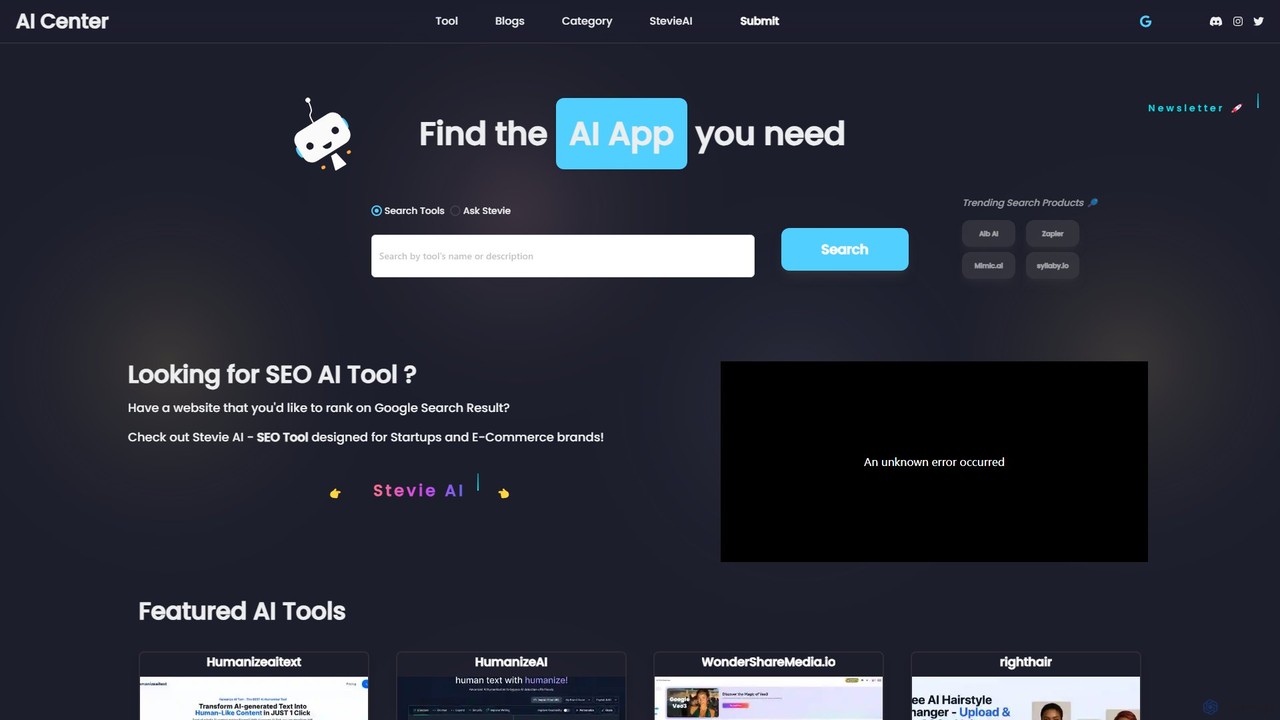
Discovery tools are AI-powered platforms designed to uncover valuable insights and opportunities within the vast landscape of marketing data. Leveraging machine learning, natural language processing, and advanced analytics, these tools help marketers identify emerging trends, understand audience behaviors, analyze competitor strategies, and pinpoint new avenues for growth. They provide data-driven intelligence essential for crafting more effective and targeted marketing campaigns, moving beyond traditional manual research methods and enabling proactive strategic planning.
Core Features
- Market Trend Analysis: Identifies and predicts emerging industry trends, consumer interests, and market shifts by analyzing vast datasets from social media, news, and search queries.
- Audience Segmentation & Insights: Analyzes demographic, psychographic, and behavioral data to segment target audiences, revealing deep insights into their preferences, pain points, and purchasing drivers.
- Competitor Intelligence: Monitors competitor activities, marketing strategies, ad campaigns, and performance metrics across various channels to identify strengths, weaknesses, and opportunities.
- Content & Influencer Identification: Discovers relevant content topics, high-performing content formats, and suitable influencers for campaigns based on audience engagement and topical authority.
- Keyword & Opportunity Spotting: Uncovers high-potential keywords, search gaps, and untapped market niches by analyzing search engine data and user queries.
Applicable Scenarios
These tools are crucial for marketing strategists planning new product launches, content teams seeking high-impact topics, and competitive intelligence analysts benchmarking against rivals. They empower businesses to make proactive, informed decisions by transforming raw, unstructured data into actionable marketing intelligence, optimizing resource allocation and campaign performance.
How to Choose
When selecting a Discovery tool, consider its data sources and coverage, ensuring they align with your target markets and channels. Evaluate the depth of its analytical capabilities, including predictive modeling and sentiment analysis, and its integration with existing marketing platforms like CRM or analytics dashboards. Assess the customization options for reports and dashboards, and verify the tool's ability to provide actionable recommendations tailored to your specific marketing goals and industry needs, rather than just raw data.