Marketing Best in category 2 results Feedback Collection AI Tool

Popular AI tools in the Feedback Collection field of Marketing include Indie Polls、SurveySwan, etc., helping you quickly improve efficiency.

Indie Polls

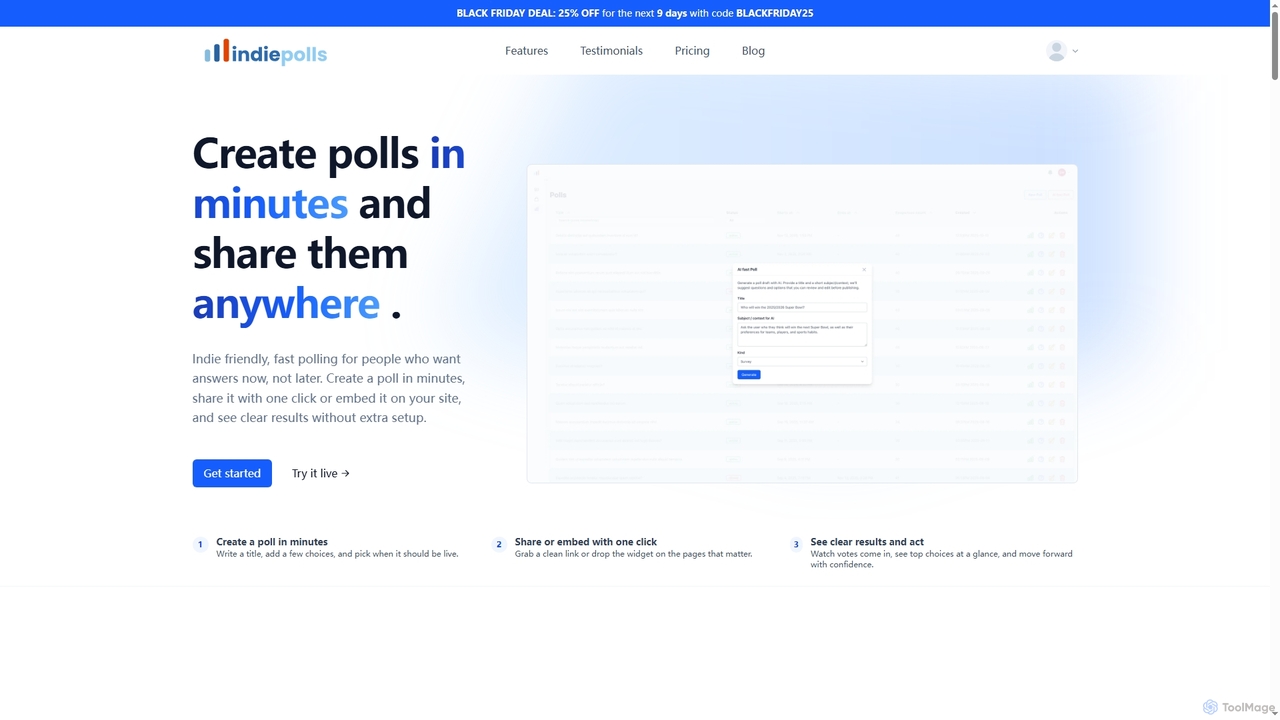
Indie Polls

Indie Polls is a fast, lightweight, and privacy-friendly online polling tool designed for indie hackers, product teams, and …

3.1K
SurveySwan

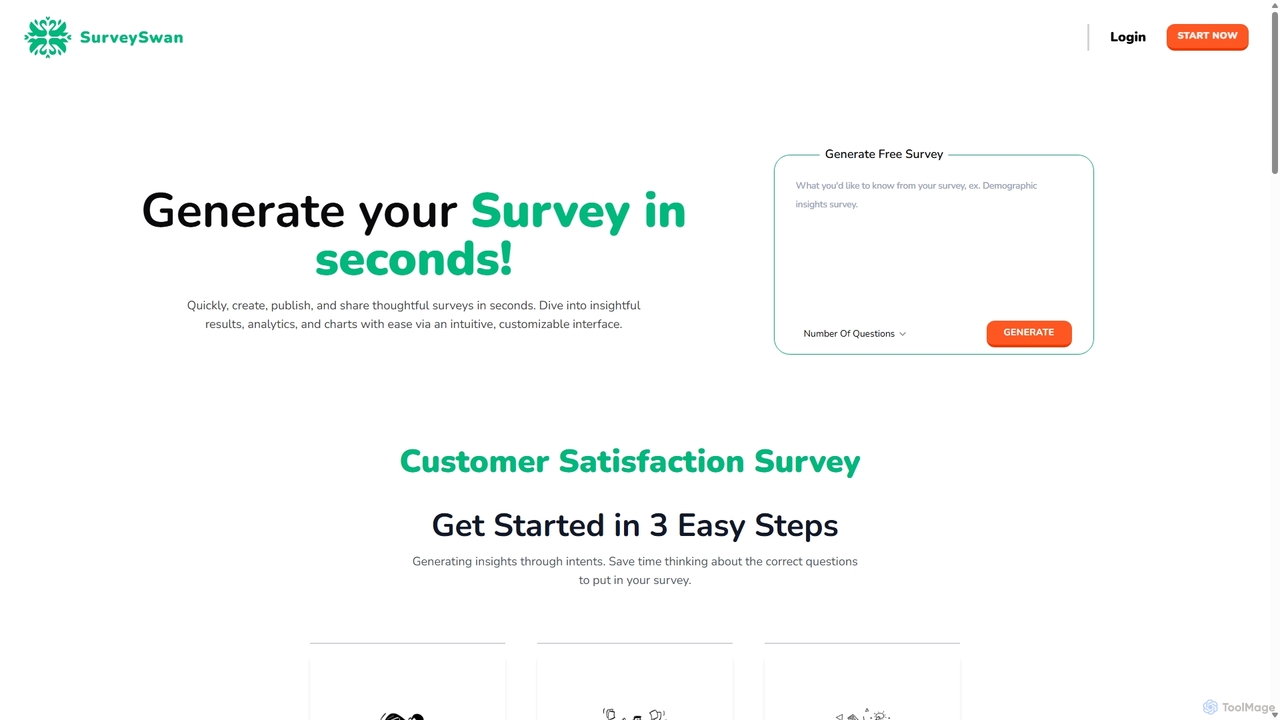
SurveySwan

SurveySwan is an AI-powered survey builder that automates question creation. Simply describe the insights you need, and the …

3.1K

About Feedback Collection

Feedback Collection tools are AI-powered platforms designed to systematically gather, analyze, and act upon user opinions and insights. These tools leverage natural language processing (NLP) and sentiment analysis to process diverse feedback formats, from surveys to social media comments. They enable businesses to understand customer satisfaction, identify pain points, and improve products or services effectively. By automating the collection and initial analysis, they provide actionable insights faster than traditional methods.

Core Features

  • Multi-channel Collection: Gather feedback from websites, apps, email, social media, and in-person interactions.
  • Sentiment Analysis: Automatically detect the emotional tone (positive, negative, neutral) of text feedback.
  • Topic Extraction: Identify recurring themes and key issues from large volumes of unstructured data.
  • Automated Reporting: Generate real-time dashboards and reports on feedback trends and key metrics.
  • Actionable Insights: Translate raw data into recommendations for product development or customer service improvements.

Use Cases

Product teams use these tools to collect beta tester feedback, prioritize feature requests, and track user satisfaction post-launch. Marketing departments monitor brand perception and campaign effectiveness. Customer service teams identify common issues to improve support resources.

How to Choose

Consider the types of feedback sources you need to integrate (e.g., web, mobile, email). Evaluate the AI capabilities for sentiment analysis and topic extraction accuracy. Look for robust reporting and visualization features, and ensure it offers seamless integration with existing CRM or project management systems. Scalability and data privacy compliance are also crucial.

Feedback CollectionUse Cases

1

Automating Post-Purchase Customer Satisfaction Surveys

E-commerce businesses can deploy AI-powered feedback tools to automatically send satisfaction surveys after a purchase or service interaction. The AI analyzes open-ended responses for sentiment and common issues, allowing companies to quickly identify areas for improvement in their products, delivery, or customer support, leading to higher retention rates.

2

Gathering User Feedback for Software Product Development

Software development teams utilize feedback collection tools to gather insights from beta testers and early adopters. These tools can process bug reports, feature requests, and usability comments from various channels (in-app, forums). AI helps categorize feedback, identify critical issues, and prioritize development sprints based on user needs and sentiment, accelerating product iteration.

3

Monitoring Brand Perception Across Social Media

Marketing and PR teams employ feedback collection AI to continuously monitor mentions of their brand, products, and competitors across social media platforms. The tools perform sentiment analysis on posts and comments, identifying public perception shifts, emerging trends, and potential PR crises in real-time. This enables proactive reputation management and targeted campaign adjustments.

4

Improving Customer Service by Analyzing Support Tickets

Customer service departments leverage AI feedback tools to analyze the content of support tickets, chat logs, and call transcripts. By identifying recurring themes, common pain points, and customer sentiment within these interactions, businesses can pinpoint systemic issues, improve FAQ resources, train agents more effectively, and ultimately reduce ticket volume and enhance customer satisfaction.

5

Collecting Employee Feedback for Internal Improvement

HR departments and internal communications teams use feedback collection platforms to gather anonymous employee opinions on workplace culture, new policies, or specific initiatives. AI can analyze survey responses and open comments to identify key concerns, sentiment trends, and areas for organizational improvement, fostering a more positive and productive work environment.

6

Optimizing Website/App User Experience Through In-Page Feedback

UX/UI designers and product managers integrate feedback widgets directly into websites or mobile applications. These tools capture user comments, bug reports, and satisfaction ratings at specific interaction points. AI processes this contextual feedback to highlight usability issues, confusing elements, or desired features, guiding iterative design improvements and enhancing overall user experience.

Feedback CollectionFrequently Asked Questions